Quick answer
Tsodilo Hills, a UNESCO World Heritage Site in Botswana, offers unforgettable experiences ranging from guided cultural walks (~$4 USD) to overnight camping (~$2 USD). Our top recommendation is the Male Hill Summit Trail for its panoramic views and challenging hike, best experienced during the cooler months.
- Best overall
- Male Hill Summit Trail
- Top pick
- Male Hill Summit Trail
Top verdicts
- Male Hill Summit Trail: Hiking in Male Hill (northern), Tsodilo Hills
- Female Hill Painting Circuit: Must-See in Female Hill, Tsodilo Hills
- Van der Post Panel: Most Famous in Female Hill, Tsodilo Hills
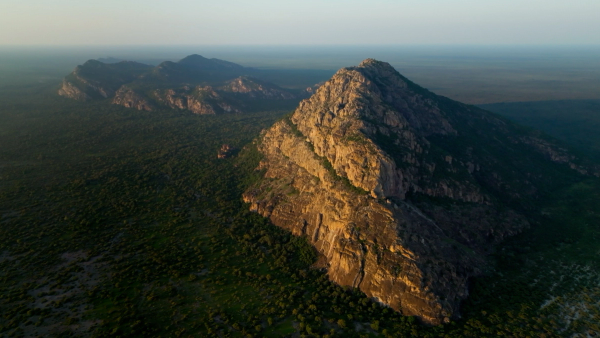
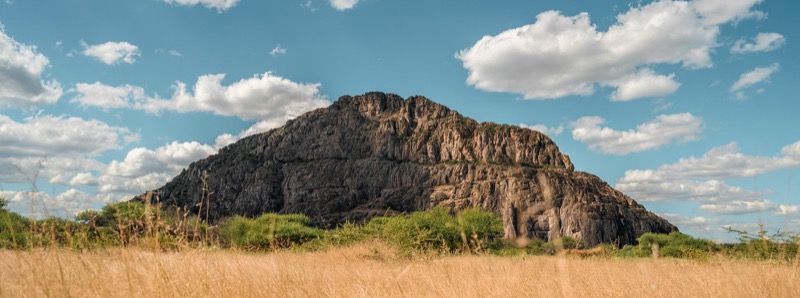
Tsodilo Hills rises dramatically from the Kalahari Desert in northwest Botswana — four sacred quartzite hills holding more than 4,500 rock paintings crammed into roughly 10 square kilometers. UNESCO designated it a World Heritage Site in 2001. The San people call it "the rocks that whisper." Laurens van der Post, who visited in 1958, called it one of the most spiritually charged places on earth.
Area map
- 1. Male Hill Summit Trail
- 2. Female Hill Painting Circuit
- 3. Van der Post Panel
- 4. Rhino Cave
- 5. White Paintings Rock Shelter
- 6. Depression Rock Shelter
- 7. Child Hill
- 8. Tsodilo Museum & Visitor Center
- 9. San Community Guide Walks
- 10. Campsite Between the Hills
- 11. Sunset from Male Hill
- 12. Divuyu & Ngoma Archaeological Sites
All 12 spots at a glance
| # | Name | Style | Price | Area | |
|---|---|---|---|---|---|
| 1 | Male Hill Summit Trail | Hiking | Male Hill (northern), Tsodilo Hills | ||
| 2 | Female Hill Painting Circuit | Must-See | Female Hill, Tsodilo Hills | ||
| 3 | Van der Post Panel | Most Famous | Female Hill, Tsodilo Hills | ||
| 4 | Rhino Cave | Hidden Gem | North end of Female Hill | ||
| 5 | White Paintings Rock Shelter | Archaeology | Male Hill, Tsodilo Hills | ||
| 6 | Depression Rock Shelter | Rock Art | Northwest Female Hill, Tsodilo Hills | ||
| 7 | Child Hill | Ceremonial | South of Female Hill, Tsodilo Hills | ||
| 8 | Tsodilo Museum & Visitor Center | Visitor Center | Near campsite, Tsodilo Hills | ||
| 9 | San Community Guide Walks | Cultural | 50–100 BWP/person/trail (~$4–$8 USD) | Depart from Visitor Center | |
| 10 | Campsite Between the Hills | Overnight Stay | 30–60 BWP/person/night (~$2–$5 USD) | Between Male and Female Hills | |
| 11 | Sunset from Male Hill | Scenic Views | Male Hill upper slopes, Tsodilo Hills | ||
| 12 | Divuyu & Ngoma Archaeological Sites | Archaeology | Base of Female Hill area, Tsodilo Hills |
1Male Hill Summit Trail
HikingQuick comparison
- Best for
- Hiking in Male Hill (northern), Tsodilo Hills
- Strengths
- Known for Hiking · Male Hill (northern), Tsodilo Hills
- Limitations
- the combination of rock art at eye level and sweeping Kalahari panoramas at the summit is genuinely extraordinary
- Why it made the list
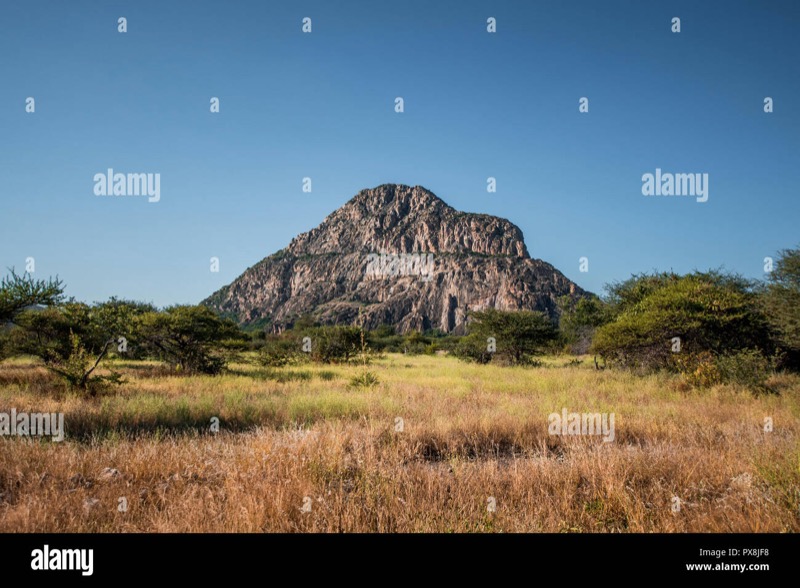
- The crown jewel of Tsodilo for hikers. Yes, the 2-hour round trip involves some scrambling on loose rock — but the combination of rock art at eye level and sweeping Kalahari panoramas at the summit is genuinely extraordinary. Start before 8am, bring more water than you think you need, and let your San guide point out paintings you'd walk straight past. The summit at golden hour is reportedly spectacular, but plan your timing carefully with your guide.
- What to order
- Male Hill Summit Trail is a featured pick in this guide.
2Female Hill Painting Circuit
Must-SeeQuick comparison
- Best for
- Must-See in Female Hill, Tsodilo Hills
- Strengths
- Known for Must-See · Female Hill, Tsodilo Hills
- Limitations
- can easily extend to 3+ hours if you want to examine panels in depth
- Why it made the list
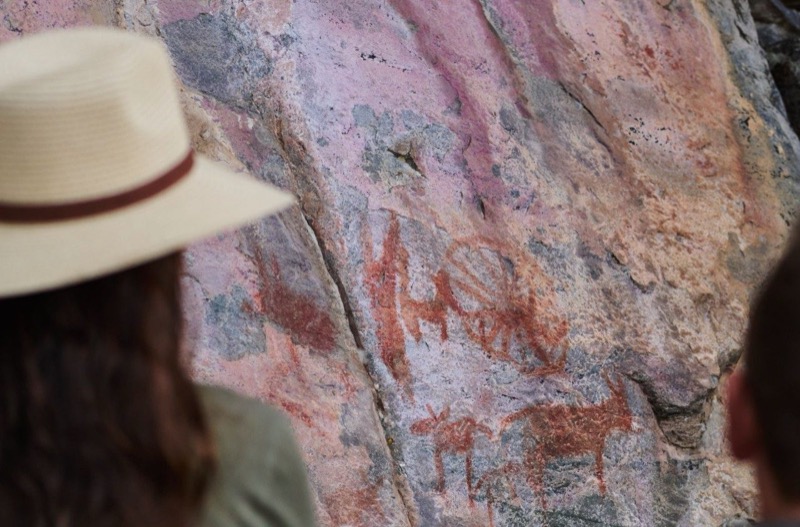
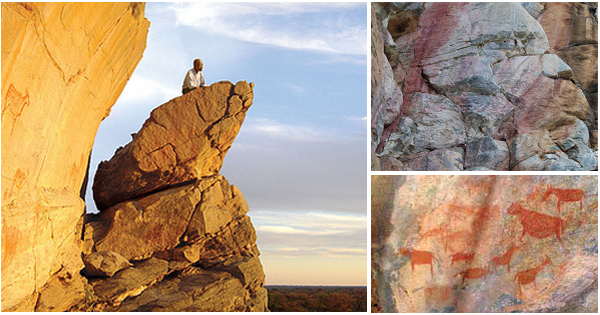
- If you only have time for one trail at Tsodilo, make it this one. Female Hill holds the densest collection of rock art anywhere in the complex, and the relatively easy terrain means you can spend your energy looking at art rather than watching your footing. The guided circuit typically covers the highlights in 90 minutes but can easily extend to 3+ hours if you want to examine panels in depth. Ask your guide about the famous "dancing" eland figures — the San believed painting them gave access to the spirit world.
- What to order
- Female Hill Painting Circuit is a featured pick in this guide.
3Van der Post Panel
Most FamousQuick comparison
- Best for
- Most Famous in Female Hill, Tsodilo Hills
- Strengths
- Known for Most Famous · Female Hill, Tsodilo Hills
- Limitations
- touching the rock surface is strictly forbidden — the oils from your hands cause irreversible damage
- Why it made the list
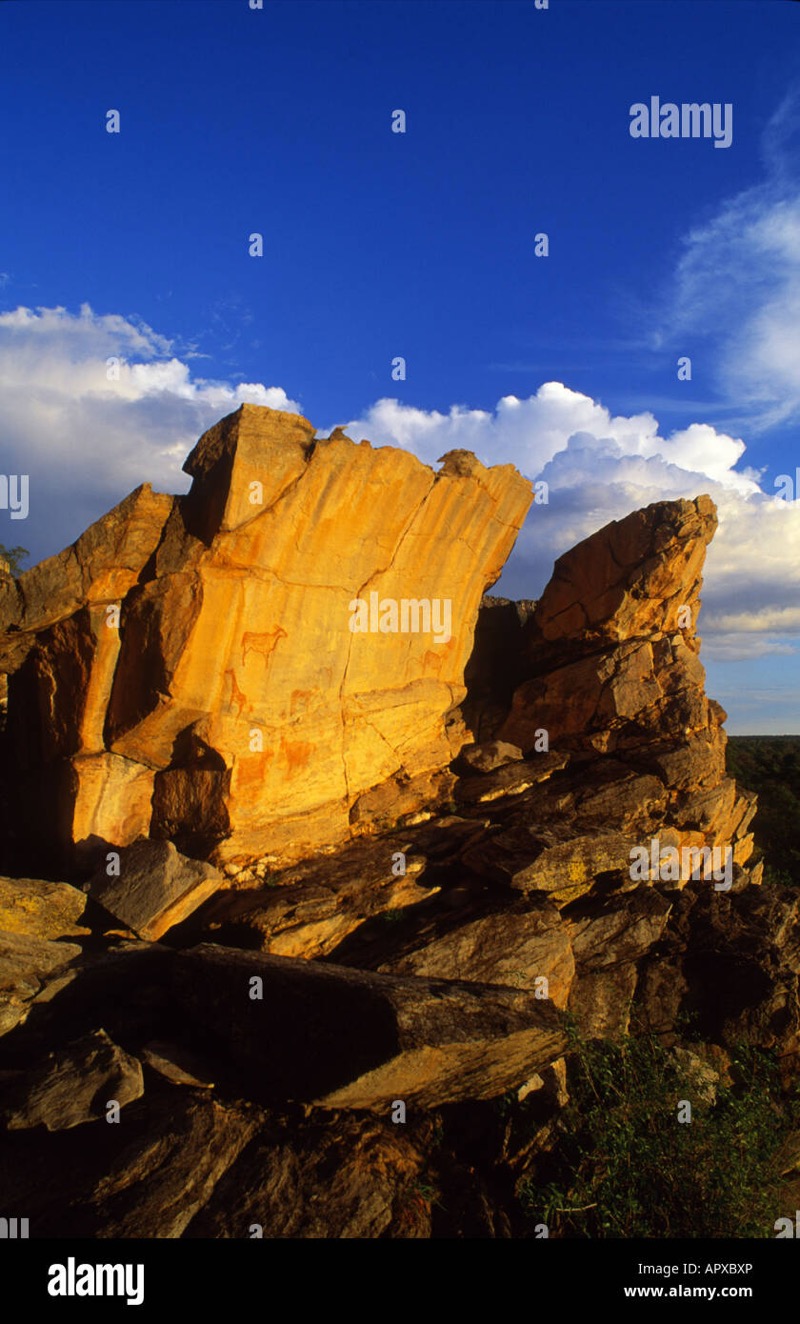
- The anchor of any Tsodilo visit. No photograph fully captures the impact of standing in front of this panel — the scale, the detail, the age. Your guide will spend time here explaining the San hunter-gatherer cosmology embedded in the figures. Bring patience and curiosity: the longer you look, the more you see. Photography is permitted but touching the rock surface is strictly forbidden — the oils from your hands cause irreversible damage.
- What to order
- Van der Post Panel is a featured pick in this guide.
4Rhino Cave
Hidden GemQuick comparison
- Best for
- Hidden Gem in North end of Female Hill
- Strengths
- Known for Hidden Gem · North end of Female Hill
- Why it made the list
- Tell your guide you specifically want to visit Rhino Cave — it's occasionally left off shorter circuits. The white-on-dark-sandstone rhino is visually unlike anything else on the Female Hill circuit, and the intimate cave setting is a memorable change from open rock faces. The combined presence of San (red/ochre) and Bantu (white) art in one sheltered space also makes this one of the most archaeologically interesting spots on the site.
- What to order
- Rhino Cave is a featured pick in this guide.

5White Paintings Rock Shelter
ArchaeologyQuick comparison
- Best for
- Archaeology in Male Hill, Tsodilo Hills
- Strengths
- Known for Archaeology · Male Hill, Tsodilo Hills
- Limitations
- the White Paintings Shelter reveals that multiple cultures recognized these hills as sacred over millennia
- Why it made the list
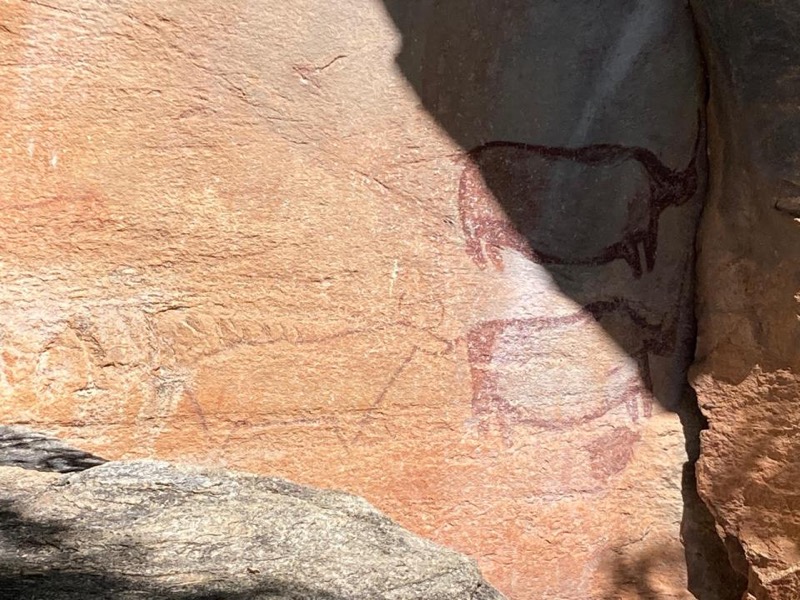
- Essential for anyone interested in African history beyond the San. Tsodilo is usually framed as a San rock art site, but the White Paintings Shelter reveals that multiple cultures recognized these hills as sacred over millennia. The horseback figures are particularly arresting — they represent a cultural contact moment visible in pigment. A good guide will explain the layered religious and social significance of the site across different cultural periods.
- What to order
- White Paintings Rock Shelter is a featured pick in this guide.
6Depression Rock Shelter
Rock ArtQuick comparison
- Best for
- Rock Art in Northwest Female Hill, Tsodilo Hills
- Strengths
- Known for Rock Art · Northwest Female Hill, Tsodilo Hills
- Why it made the list
- Don't rush past this one. The ground depressions make this shelter one of the few spots at Tsodilo where you can see evidence of ritual practice beyond the paintings themselves. Gently tap the rock floor where your guide indicates — the resonance is remarkable and adds a sonic dimension to the site's spiritual history. Photography is fine; touching the painted surfaces remains prohibited.
- What to order
- Depression Rock Shelter is a featured pick in this guide.
7Child Hill
CeremonialQuick comparison
- Best for
- birdwatching
- Strengths
- Known for Ceremonial · South of Female Hill, Tsodilo Hills
- Why it made the list
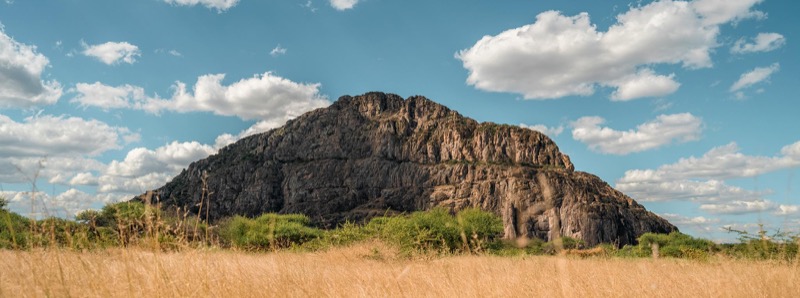
- Worth visiting if you have a second day at Tsodilo. The symbolic importance of Child Hill as part of the sacred family narrative becomes much clearer once your guide explains it — after that, simply standing here and looking back at Male and Female Hills feels different. Early morning is best for birdwatching. The peaceful solitude here is a genuine contrast to the busier main sites and gives you space to absorb what you've seen.
- What to order
- Child Hill is a featured pick in this guide.
8Tsodilo Museum & Visitor Center
Visitor CenterQuick comparison
- Best for
- Visitor Center in Near campsite, Tsodilo Hills
- Strengths
- Known for Visitor Center · Near campsite, Tsodilo Hills
- Why it made the list
- Non-negotiable as your first stop. Spend 30–45 minutes in the museum before you meet your guide and start any trails. The exhibits on San cosmology — particularly the role of the eland in trance-state beliefs, and the meaning of color in rock art — transform what might otherwise look like simple animal drawings into a rich spiritual language. The museum also has a small gift shop supporting the local community.
- What to order
- Tsodilo Museum & Visitor Center is a featured pick in this guide.
9San Community Guide Walks
CulturalQuick comparison
- Best for
- Cultural in Depart from Visitor Center with a 50–100 BWP/person/trail (~$4–$8 USD) spend range
- Strengths
- Known for Cultural · Depart from Visitor Center
- Limitations
- Price band: 50–100 BWP/person/trail (~$4–$8 USD)
- Price / value
- 50–100 BWP/person/trail (~$4–$8 USD)
- Why it made the list
- The most important "site" on this list, because without it you can't access any of the others. Guides are assigned at the visitor center and fees are set (fair and modest). Tip generously — guiding provides direct income to the San community living adjacent to the hills. If you have a specific site in mind (Rhino Cave, White Paintings Shelter, Child Hill), tell your guide at the start so they can plan the best route. Allow at least a full day with your guide to do the complex justice.
- What to order
- San Community Guide Walks is a featured pick in this guide.
10Campsite Between the Hills
Overnight StayQuick comparison
- Best for
- Overnight Stay in Between Male and Female Hills with a 30–60 BWP/person/night (~$2–$5 USD) spend range
- Strengths
- Known for Overnight Stay · Between Male and Female Hills
- Limitations
- camping gives you the site to yourself at the hours that matter most — dawn light on the sandstone, late afternoon when paintings glow in warm light, and the extraordinary star-filled nights
- Price / value
- 30–60 BWP/person/night (~$2–$5 USD)
- Why it made the list
- If logistics allow, stay at least one night. Day visitors are rare enough at Tsodilo, but camping gives you the site to yourself at the hours that matter most — dawn light on the sandstone, late afternoon when paintings glow in warm light, and the extraordinary star-filled nights. Bring everything you need: the nearest fuel and supplies are ~40km away in Shakawe. A 4x4 is essential — the access road is not sealed and can be soft in places.
- What to order
- Campsite Between the Hills is a featured pick in this guide.
11Sunset from Male Hill
Scenic ViewsQuick comparison
- Best for
- Scenic Views in Male Hill upper slopes, Tsodilo Hills
- Strengths
- Known for Scenic Views · Male Hill upper slopes, Tsodilo Hills
- Why it made the list
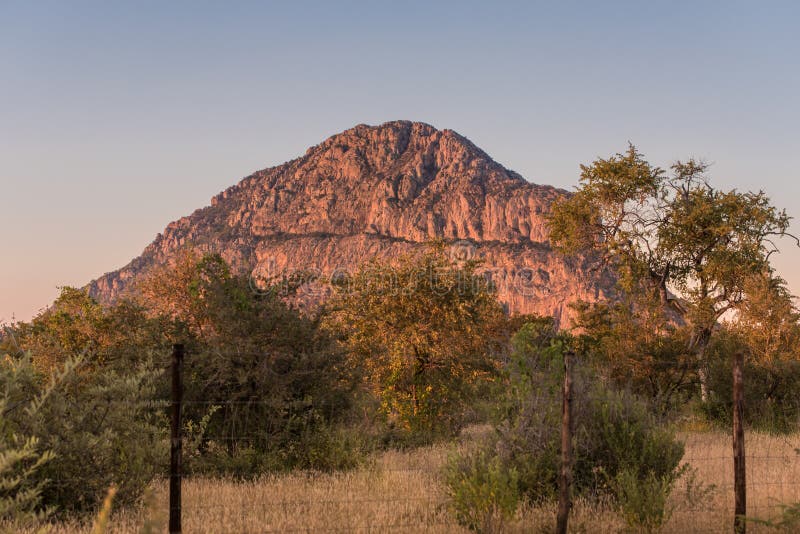
- Campers only — practically speaking, you need to be staying at the site to safely time this. Begin the ascent 2 hours before sunset to reach the good viewpoints, spend the golden hour on the upper trail, then descend with headlamps as light fades. The colors during the last 30 minutes of light are extraordinary — the rock paintings glow in the low sun in a way you don't see at any other time of day. Bring a warm layer: temperatures drop quickly after sunset.
- What to order
- Sunset from Male Hill is a featured pick in this guide.
12Divuyu & Ngoma Archaeological Sites
ArchaeologyQuick comparison
- Best for
- Archaeology in Base of Female Hill area, Tsodilo Hills
- Strengths
- Known for Archaeology · Base of Female Hill area, Tsodilo Hills
- Limitations
- intellectually one of the most compelling stops on the entire site
- Why it made the list
- For visitors with archaeological interests, these sites add a crucial dimension to the Tsodilo story — the paintings are only one chapter. The discovery of Indian Ocean trade beads here completely upended assumptions about the isolation of Kalahari peoples. Ask your guide to take you to both sites and read the relevant section of the museum exhibits first. Not visually dramatic, but intellectually one of the most compelling stops on the entire site.
- What to order
- Divuyu & Ngoma Archaeological Sites is a featured pick in this guide.
Frequently asked questions
When is the best time to visit Tsodilo Hills?
The best time to visit Tsodilo Hills is during the cooler dry season from April to September. Temperatures are more comfortable for hiking, the roads are in best condition, and wildlife sightings around the hills are more frequent. Avoid the peak heat of October–November when daytime temperatures can exceed 40°C. The rainy season (December–March) turns the surrounding bush lush and green but can make the graded dirt road from Shakawe slippery — a high-clearance 4x4 is strongly recommended year-round.
How do I get to Tsodilo Hills?
Tsodilo Hills is approximately 40 km from Shakawe in northwest Botswana, near the Namibia border. The most common route is to fly to Maun, then drive north via the Okavango Delta road (~450 km, roughly 5–6 hours). A 4x4 vehicle with high clearance is strongly recommended — the final section is a graded dirt road. There is a small airstrip at Tsodilo for private charter flights. The nearest fuel is in Shakawe, so fill up before heading out.
Do I need a guide at Tsodilo Hills? How much do guides cost?
Yes — guides are mandatory at Tsodilo Hills and cannot be skipped. This requirement is both a cultural imperative (the hills are sacred to the San, Hambukushu, and Yei peoples) and a practical necessity, as many paintings are hidden in locations you simply would not find alone. Local San community guides are assigned at the visitor center. Guide fees are typically 50–100 BWP (roughly $4–$8 USD) per person per trail. The guides provide invaluable context on the paintings' spiritual and cultural meaning that no guidebook can replicate.
How difficult is the hiking at Tsodilo Hills?
Difficulty varies by trail. The Female Hill Painting Circuit is the easiest — mostly flat to gently undulating terrain over about 1.5 hours. The Male Hill Summit Trail is moderately challenging, involving a steeper ascent over roughly 2 hours to reach the 1,400m summit. Trails are well-worn but rocky in sections, and there is no shade — sun exposure is intense. Wear sturdy shoes, bring at least 2 liters of water per person, and start early morning to avoid peak heat. Child Hill and the smaller outlying sites are easy walks.
What should I bring to Tsodilo Hills?
Essential items: 3–4 liters of water per person (no water available on trails), sun hat and high-SPF sunscreen, sturdy closed-toe hiking shoes, binoculars for spotting paintings at height, and a camera. Bring enough food for your stay — the nearest shops are in Shakawe. If camping, bring all camping supplies including firewood (limited at site) and insect repellent. Cash in Botswana Pula for guide fees and entry. Respect the sacred nature of the site by not touching any paintings and following your guide's instructions.