How we built this comparison
This page combines traveler discussion patterns, published price ranges, flight schedules, and seasonal data to help you decide between India and New Zealand.
- Reviewed 50+ Reddit threads from r/travel, r/solotravel, r/IndiaTravel, r/NZtravel
- Verified costs and logistics against current booking platforms like Booking.com, Skyscanner, and local tour operators
- Cross-referenced seasonal patterns and weather data from meteorological services
- Consulted multiple travel blogs and guidebooks for on-the-ground insights
⚡ Quick Answers
⚡ The TL;DR Verdict
For most travelers seeking deep cultural immersion, affordability, and a challenge, India is the pick. It demands adaptability but rewards immensely with experiences. New Zealand suits those prioritizing outdoor adventure, comfort, and ease of travel at a higher price point. Daily budgets range from $30-70 USD in India to $80-150 USD in New Zealand.
- Choose India: You want profound cultural experiences, diverse history, incredible food, and extreme budget friendliness. You are ready for a sensory overload and do not mind a less structured travel pace.
- Choose New Zealand: You prioritize jaw-dropping natural scenery, outdoor activities like hiking and adventure sports, ease of navigation, and a high level of comfort. You have a larger travel budget.
- Choose Both: If you have at least 6-8 weeks and a substantial budget, both offer distinct experiences. Start with India for cultural immersion, then decompress with New Zealands tranquility and outdoor focus.
Choose India
Opt for India if you crave an unparalleled journey into ancient traditions, vibrant street life, and spiritual sites like Varanasi or the bustling markets of Delhi. It's best for intrepid travelers and foodies on a budget, ready to embrace sensory overload and profound cultural exchange for around $30-70 USD daily.
Choose New Zealand
New Zealand is your ideal choice for breathtaking natural wonders and adrenaline-pumping activities, from hiking the Tongariro Alpine Crossing to bungee jumping in Queenstown. It's perfectly suited for adventure enthusiasts and nature photographers with a generous budget, seeking well-organized outdoor experiences and stunning landscapes at $80-150 USD per day.
📊 Visual Scorecard
🌤 When to Visit
Average high temperatures (°C). Green = best months, orange = avoid.
Quick Comparison
| Category | India | New Zealand | Winner |
|---|---|---|---|
| Costs & Budget | Significantly cheaper across all categories; daily budget can be $30-70 USD. | Among the more expensive destinations globally; daily budget typically $80-150 USD. | India |
| Nature & Activities | Diverse landscapes from Himalayas to deserts, but often requires patience and planning to access. | Dramatic, pristine scenery with easy access to adventure sports and hiking trails. | New Zealand |
| Culture & History | Thousands of years of history, complex spiritual traditions, and diverse regional cultures. | Younger culture focused on Maori heritage, European settlement, and outdoor lifestyle. | India |
| Food Scene | Globally renowned for its regional diversity, spices, and affordability; vegetarian heaven. | Modern European influence with fresh produce, seafood, and a strong cafe culture. | India |
| Getting Around | Extensive but often chaotic public transport; long journeys are common; rickshaws are king. | Well-maintained roads, popular for self-drive and campervan; organized bus networks. | New Zealand |
| Accommodation | Wide range from basic guesthouses to luxury palaces, very affordable. | Hostels, motels, holiday parks, and hotels; clean but more expensive. | India |
| Safety & Health | Requires vigilance for scams, petty crime; health precautions like water and vaccines are important. | Very low crime rates, excellent healthcare system; general travel safety advice applies. | New Zealand |
| Pace & Travel Style | Fast-paced, chaotic, unpredictable, demands flexibility and patience. | Relaxed, efficient, easy to plan; allows for spontaneous outdoor activities. | New Zealand |
| Beaches & Water | Vast coastline with diverse beaches, from party spots to tranquil retreats. | Stunning coastal scenery, often rugged; excellent for water sports, fewer traditional swimming beaches. | Tie |
| Solo Travel Suitability | Challenging but rewarding; requires high awareness, especially for women. | Very safe and easy; excellent hostel network, simple to meet other travelers. | New Zealand |
💰 Costs & Budget
India is a travelers paradise for those on a tight budget. A decent guesthouse room costs INR 1000-2000 ($12-24 USD), local meals INR 100-300 ($1.20-3.60 USD), and long-distance…

India

New Zealand
India is a travelers paradise for those on a tight budget. A decent guesthouse room costs INR 1000-2000 ($12-24 USD), local meals INR 100-300 ($1.20-3.60 USD), and long-distance train tickets for Sleeper Class INR 400-800 ($4.80-9.60 USD). Activities like entry to the Taj Mahal are INR 1100 ($13 USD) for foreigners. Street food in Delhi or Mumbai can be as low as INR 50 ($0.60 USD) for a filling snack. A comfortable daily budget, including private room, local transport, and multiple meals, can be managed for $30-70 USD.
New Zealand requires a much larger financial commitment. Hostels start at NZD 35-50 ($21-30 USD), while basic motel rooms are NZD 100-200 ($60-120 USD). A typical cafe meal costs NZD 20-30 ($12-18 USD), and groceries for self-catering add up quickly. Activities like a Milford Sound cruise can be NZD 100-150 ($60-90 USD), and a bungy jump in Queenstown NZD 250-300 ($150-180 USD). Campervan rentals, a popular way to travel, cost NZD 80-200 ($48-120 USD) per day depending on season and vehicle. A budget of $80-150 USD per day is realistic for a solo traveler watching expenses. India is the clear winner for budget-conscious travelers.
- Winner: India
- Why: India allows for extensive travel and experiences on a fraction of New Zealands cost.
- Who this matters for: Budget travelers, long-term backpackers, and those preferring local experiences over luxury.
🏞️ Nature & Activities
India offers a spectrum of natural environments, from the high peaks of the Himalayas in Ladakh, where treks to monasteries like Thiksey are common, to the Thar Desert in…

India
New Zealand
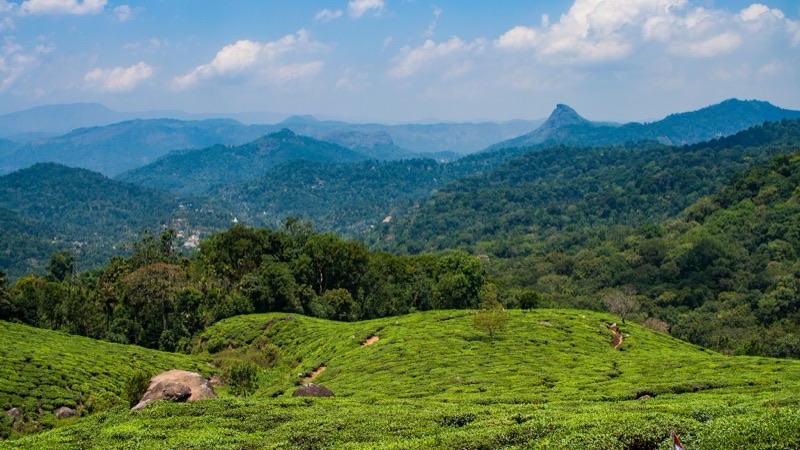
India offers a spectrum of natural environments, from the high peaks of the Himalayas in Ladakh, where treks to monasteries like Thiksey are common, to the Thar Desert in Rajasthan with camel safaris from Jaisalmer. The backwaters of Kerala provide serene boat rides. However, accessing these natural areas often involves long journeys on varied infrastructure. Wildlife reserves like Ranthambore for tiger spotting are popular, but spotting animals is never guaranteed. Infrastructure around these natural areas can be basic, and crowds can be significant at popular spots.
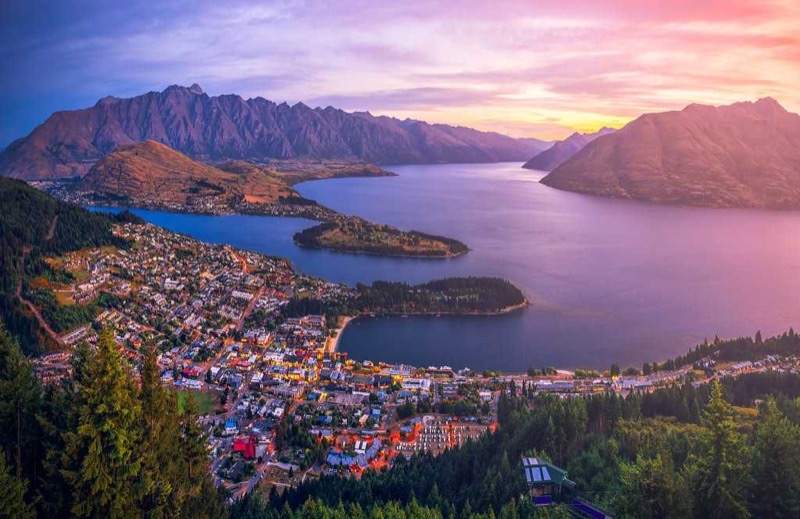
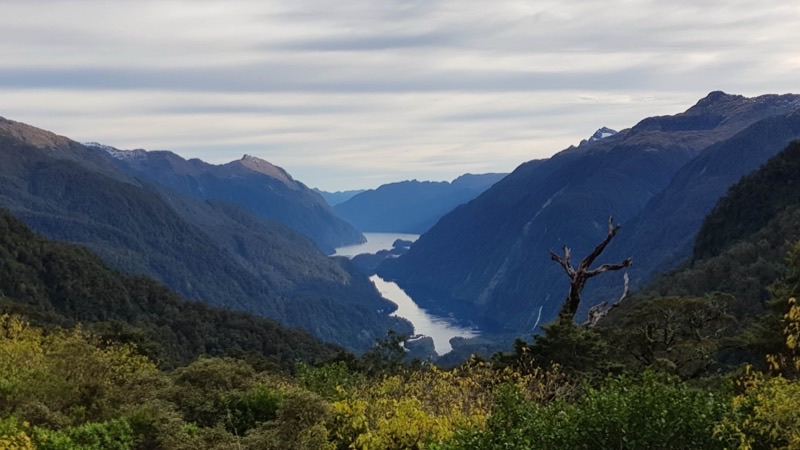
New Zealands natural environment is its primary draw. The South Island alone features Fiordland National Park with Milford Sound, the Southern Alps for hiking the Routeburn Track, and adventure capitals like Queenstown for bungy jumping and whitewater rafting. The North Island has geothermal areas like Rotorua and the Tongariro Alpine Crossing, a renowned day hike. Access to trailheads and activity centers is generally straightforward, roads are well-maintained, and guides are readily available. The country promotes outdoor exploration with many well-maintained Department of Conservation (DOC) tracks. For consistent, accessible, and high-quality natural landscapes and related activities, New Zealand is the superior choice.
- Winner: New Zealand
- Why: New Zealand provides accessible, pristine natural environments purpose-built for outdoor adventure and exploration.
- Who this matters for: Hikers, adventure sports enthusiasts, landscape photographers, and those seeking clean, quiet natural spaces.
🕌 Culture & History
India is an ancient land with a history spanning millennia, home to numerous empires, religions, and philosophical movements. Travelers can explore the Mughal architecture of the…
India
New Zealand
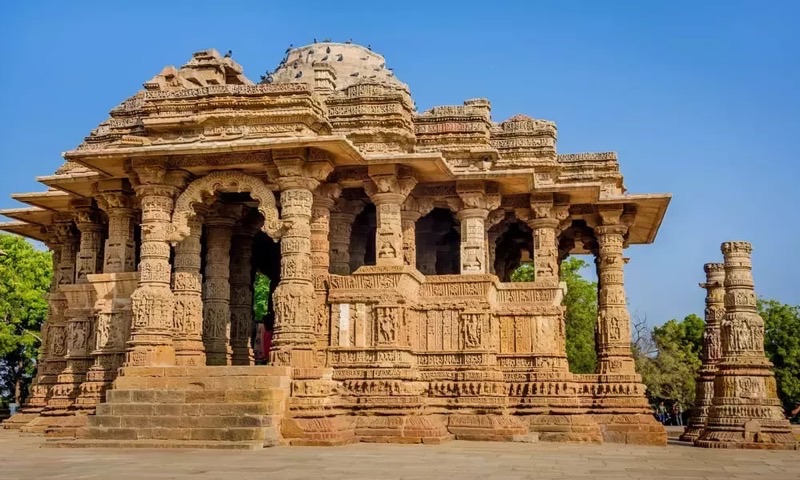
India is an ancient land with a history spanning millennia, home to numerous empires, religions, and philosophical movements. Travelers can explore the Mughal architecture of the Taj Mahal in Agra, the ancient temples of Khajuraho, the spiritual ghats of Varanasi, or the colonial remnants in Kolkata. Regional cultures are distinct, from the desert forts of Rajasthan to the coastal traditions of Goa. Participation in festivals like Holi or Diwali, observing daily rituals at temples, or learning about traditional crafts offers deep immersion. The complexity and sheer volume of cultural experiences are immense, demanding time and an open mind. Engaging with local people is an everyday occurrence, providing spontaneous insights into daily life and belief systems.
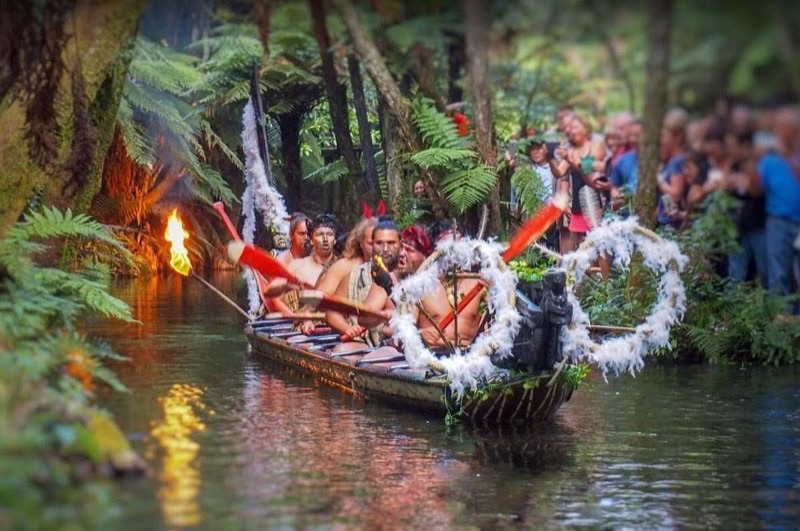
New Zealands cultural narrative is much younger, primarily shaped by Maori heritage and European colonization. Travelers can visit Waitangi Treaty Grounds to learn about the nations founding document, experience a Maori Hangi and cultural performance, or explore museums like Te Papa in Wellington. The country also has a contemporary culture centered around its outdoor lifestyle, sport, and arts scenes in cities like Auckland and Christchurch. While rich in its own right, New Zealands cultural depth and historical layers do not compare to Indias millennia-old traditions and diverse civilizations. For a profound and multifaceted cultural experience, India stands unmatched.
- Winner: India
- Why: India offers an unmatched depth, diversity, and continuous history of cultural and spiritual practices.
- Who this matters for: History enthusiasts, cultural anthropologists, spiritual seekers, and travelers who prioritize immersive interactions with local traditions.
🌶️ Food Scene
Indias food scene is a journey in itself, with distinct culinary traditions from north to south, east to west. In Delhi, savor street food like Chole Bhature or Butter Chicken. In…
India

New Zealand
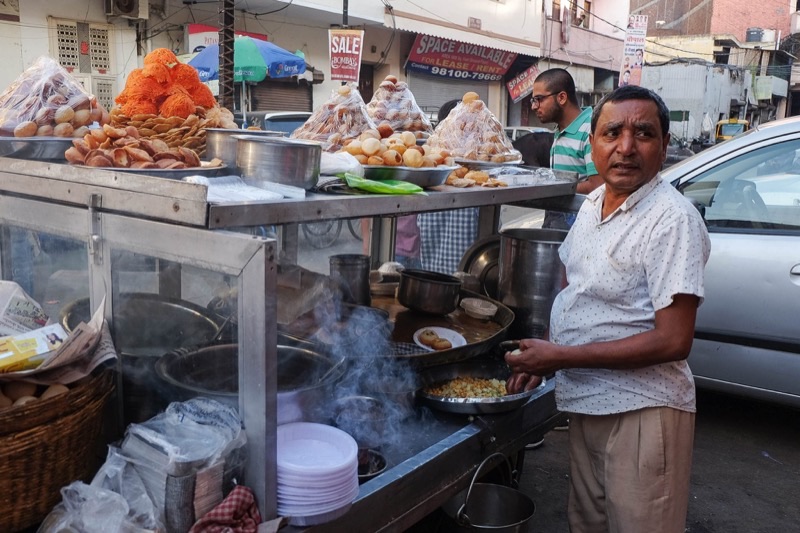
Indias food scene is a journey in itself, with distinct culinary traditions from north to south, east to west. In Delhi, savor street food like Chole Bhature or Butter Chicken. In Mumbai, try Vada Pav. Southern India offers Dosa, Idli, and complex curries. Goa has Portuguese-influenced seafood. Vegetarian options are everywhere, making it easy for plant-based diets. A meal at a local dhaba or small restaurant costs INR 100-400 ($1.20-4.80 USD), while a fine dining experience might be INR 1000-2000 ($12-24 USD). The use of spices and fresh ingredients creates complex, layered flavors that are not found elsewhere. Cooking classes are popular, allowing travelers to learn about regional cuisine.
New Zealands food scene focuses on fresh, high-quality ingredients, often with European influences. Expect excellent lamb, beef, fresh seafood like green-lipped mussels, and local produce. Cities like Wellington and Auckland have a thriving cafe culture with great coffee. A typical cafe breakfast or lunch costs NZD 20-30 ($12-18 USD), while dinner at a mid-range restaurant is NZD 40-70 ($24-42 USD). Fish and chips are a popular takeaway. While the quality is high, the diversity and sheer range of flavors do not match Indias culinary landscape. For variety, depth, and sheer flavor adventure at an accessible price, India is the definite winner.
- Winner: India
- Why: India offers unparalleled diversity, complexity, and affordability in its culinary traditions, catering to all palates.
- Who this matters for: Foodies, adventurous eaters, vegetarians, and budget travelers seeking incredible culinary experiences.
🚂 Getting Around
Getting around India is an experience in itself. The Indian Railways network is vast and cheap, connecting most major cities. Sleeper Class tickets are affordable, costing…
India
New Zealand
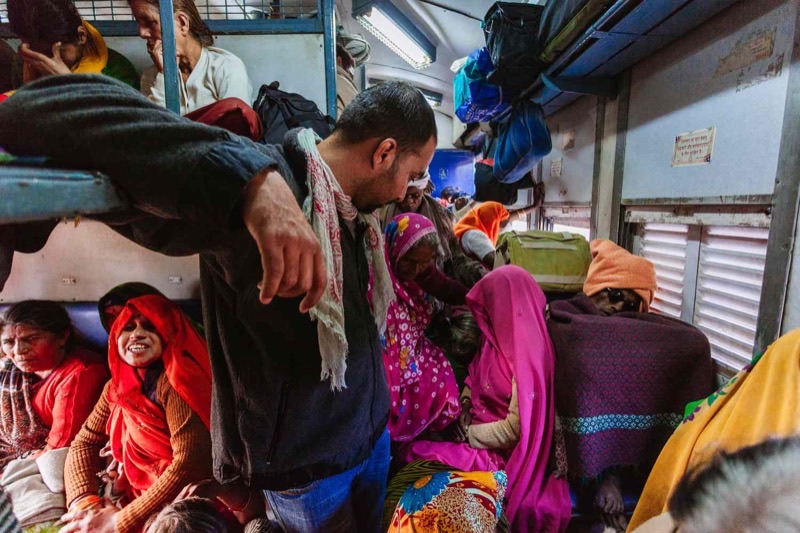
Getting around India is an experience in itself. The Indian Railways network is vast and cheap, connecting most major cities. Sleeper Class tickets are affordable, costing hundreds of rupees for journeys lasting 12+ hours. Local buses are even cheaper but can be uncomfortable. For shorter distances, auto-rickshaws and cycle-rickshaws are ubiquitous and negotiable, costing INR 50-200 ($0.60-2.40 USD) for city rides. Ride-sharing apps like Ola and Uber are available in larger cities. Travel can be slow, noisy, and requires patience, but it is also an integral part of the Indian experience. Roads are often congested, and driving yourself is generally not recommended for foreign visitors.
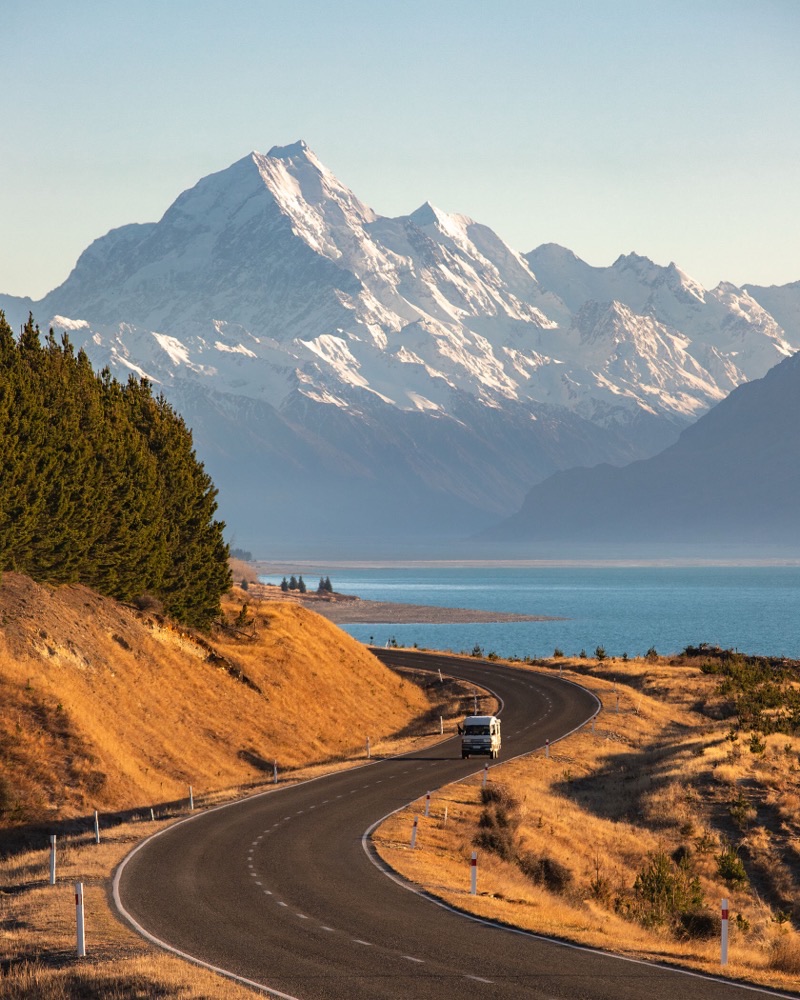
New Zealand excels in ease of transport, especially for independent travelers. The road network is excellent, making self-driving in a rental car or campervan a preferred option. Petrol prices are comparable to global averages. Long-distance buses like InterCity connect major towns, offering comfortable journeys. Domestic flights are efficient for covering long distances between North and South Islands. Public transport within cities is reliable but not always comprehensive for tourist spots. While more expensive, the convenience, safety, and scenic quality of travel in New Zealand make it a significantly smoother experience. For ease, comfort, and direct navigation, New Zealand is superior.
- Winner: New Zealand
- Why: New Zealand offers simpler, safer, and more comfortable transportation, ideal for independent exploration.
- Who this matters for: Travelers who prioritize comfort, efficiency, scenic drives, and self-guided exploration.
🏨 Accommodation
Accommodation in India caters to all budgets. Basic guesthouses and budget hotels can be found for INR 800-2000 ($9.60-24 USD) per night, offering clean rooms, sometimes with air…
Accommodation in India caters to all budgets. Basic guesthouses and budget hotels can be found for INR 800-2000 ($9.60-24 USD) per night, offering clean rooms, sometimes with air conditioning. Mid-range options like Hotel City Park in Delhi or a heritage stay in Udaipur cost INR 3000-6000 ($36-72 USD). Luxury resorts and palace hotels, such as the Taj Lake Palace, can be thousands of dollars but offer an unparalleled experience. Homestays are also popular, providing cultural immersion. It is possible to find very cheap, basic accommodation for less than $10 USD. Standards vary significantly, so reviews are important.
New Zealands accommodation is generally clean and well-maintained but comes at a higher price. Hostels like YHA or Base offer dorm beds from NZD 35-50 ($21-30 USD) and private rooms from NZD 80-120 ($48-72 USD). Motels are a common mid-range option, costing NZD 120-200 ($72-120 USD) per night. Holiday parks are popular for campervan travelers, offering powered sites for NZD 25-50 ($15-30 USD). Hotels in cities or tourist areas start from NZD 180 ($108 USD) and go upwards. While New Zealands options are reliable, Indias ability to provide truly affordable and unique stays, from simple guesthouses to grand palaces, makes it the more appealing choice for many.
- Winner: India
- Why: India provides significantly more affordable and diverse accommodation options, from budget to luxury heritage stays.
- Who this matters for: All travelers, especially budget-conscious ones, and those seeking unique, historical lodging experiences.
🚨 Safety & Health
Safety in India is a significant consideration. While serious violent crime against tourists is rare, petty theft, scams, and aggressive touting are common. Women travelers,…
Safety in India is a significant consideration. While serious violent crime against tourists is rare, petty theft, scams, and aggressive touting are common. Women travelers, particularly solo, must exercise extra caution regarding personal safety and dress codes. Health risks include contaminated water and food, so careful choices are necessary; typhoid and hepatitis A vaccinations are often recommended. Medical facilities vary widely, with private hospitals in major cities offering better care. It is essential to be street smart, avoid isolated areas at night, and trust instincts. Constant awareness and a proactive approach to health are crucial for a smooth trip.
New Zealand is consistently ranked among the safest countries globally. Crime rates are very low, and tourists can generally feel secure walking in cities at night or leaving vehicles at trailheads. The primary safety concerns relate to outdoor activities, like weather changes during hikes or water safety; proper planning and equipment are important. Healthcare is of a high standard, though expensive for non-residents, making travel insurance vital. Tap water is safe to drink everywhere. For peace of mind regarding personal safety, health infrastructure, and general travel security, New Zealand is the unequivocal winner.
- Winner: New Zealand
- Why: New Zealand offers a far safer and more secure environment with reliable health services and minimal common travel risks.
- Who this matters for: Solo travelers (especially women), families, first-time international travelers, and those prioritizing low-stress travel.
🧘 Pace & Travel Style
Traveling in India is an intense, constant engagement. The pace is often chaotic and unpredictable, from navigating crowded train stations to haggling with rickshaw drivers.…
Traveling in India is an intense, constant engagement. The pace is often chaotic and unpredictable, from navigating crowded train stations to haggling with rickshaw drivers. Journeys can be long and exhausting. It demands patience, adaptability, and a willingness to embrace the unexpected. While frustrating at times, this constant stimulation also leads to deep, spontaneous interactions and experiences. Travelers often find themselves adjusting their itineraries on the fly, as plans frequently encounter unforeseen changes. It is a destination for those who thrive on challenge and constant sensory input, not for those seeking a smooth, predictable trip.
New Zealand offers a distinctly different travel pace. It is generally relaxed and efficient, with well-organized infrastructure. Planning an itinerary is straightforward, and sticking to schedules is usually possible. Travelers can enjoy long stretches of quiet driving through stunning landscapes, with easy access to hiking trails and small towns. The focus is often on self-guided exploration and outdoor activities, allowing for a flexible but unhurried pace. It is a destination where you can unwind, easily switch between activities, and enjoy tranquility. For a consistently calm, efficient, and low-stress travel experience, New Zealand is the better choice.
- Winner: New Zealand
- Why: New Zealand provides a consistently relaxed and predictable travel pace, enabling easier planning and a more tranquil experience.
- Who this matters for: Travelers who prefer structured itineraries, a relaxed pace, and efficient logistics without constant challenges.
🌊 Beaches & Water
India boasts an extensive coastline with varied beach experiences. Goa is famous for its lively beaches like Palolem and Anjuna, offering shacks, parties, and water sports. Kerala…
India boasts an extensive coastline with varied beach experiences. Goa is famous for its lively beaches like Palolem and Anjuna, offering shacks, parties, and water sports. Kerala features calmer, palm-fringed beaches like Kovalam and Marari, ideal for relaxation and Ayurvedic treatments. The Andaman and Nicobar Islands, though harder to reach, have pristine white sands and clear waters for snorkeling and diving, such as Radhanagar Beach. Water quality can vary, especially near crowded urban centers, but many areas offer clean, warm water and a vibrant beach culture. It is a choice between active beach life and serene retreats.
New Zealands coastline is dramatic and rugged, offering incredible scenery but often fewer traditional sandy swimming beaches compared to Indias tropical options. The Coromandel Peninsula on the North Island has Hot Water Beach, where you can dig your own thermal pool, and Cathedral Cove. The Abel Tasman National Park on the South Island features golden sand beaches accessible by hiking or water taxi, great for kayaking. Surfing is popular on many coasts, like Raglan. While the water is clean and often cold, the focus is less on sunbathing and more on interacting with the powerful natural environment. Both offer distinct water-based experiences, making this a tie for different types of beachgoers.
- Winner: Tie
- Why: Both destinations offer compelling but very different coastal and water experiences, catering to distinct traveler preferences.
- Who this matters for: Beach lovers who value diverse atmospheres and water activities will find options in both.
👤 Solo Travel Suitability
Solo travel in India is a profound experience but comes with significant challenges. Women solo travelers must be particularly cautious about dress, local customs, and personal…
Solo travel in India is a profound experience but comes with significant challenges. Women solo travelers must be particularly cautious about dress, local customs, and personal safety, especially at night or in isolated areas. Scams and unwanted attention are common. However, the sheer density of other travelers, especially backpackers, means it is easy to meet people in popular hostels and guesthouses. The reward for navigating the complexities is deep cultural immersion and personal growth. It builds resilience and offers unmatched stories, but it is not for the faint of heart. Planning and preparation are key, as is a willingness to adapt.
New Zealand is an ideal destination for solo travelers. Its reputation for safety, friendly locals, and excellent infrastructure makes it easy to navigate independently. The well-established hostel network provides ample opportunities to meet other travelers for day trips or longer journeys. Many outdoor activities, such as hiking, are easily undertaken solo or with newly made friends. Campervan travel is also highly suitable for solo adventurers. The low crime rate and clear travel information reduce anxiety, allowing solo travelers to focus on the experience. For an accessible, safe, and social solo travel experience, New Zealand is the clear winner.
- Winner: New Zealand
- Why: New Zealand provides a significantly safer, easier, and more social environment for solo travelers of all experience levels.
- Who this matters for: First-time solo travelers, women solo travelers, and those prioritizing safety and ease of meeting others.
🎯 The Decision Framework
Choose India If…
- You crave deep, authentic cultural immersion and historical exploration.
- Your daily budget is under $70 USD.
- You are a vegetarian or love diverse, flavorful plant-based food.
- You thrive on chaotic environments and spontaneous interactions.
- You want to experience ancient spiritual practices and pilgrimage sites.
- You are comfortable with long, sometimes uncomfortable, public transport journeys.
- You are seeking a destination that pushes your boundaries and offers significant personal growth.
- You want to see architectural wonders like the Taj Mahal and vibrant street life.
Choose New Zealand If…
- You prioritize pristine natural landscapes and outdoor adventure sports.
- You prefer a relaxed, self-guided travel style, often with a rental car or campervan.
- Your daily budget is $80 USD or more.
- You value high safety standards and excellent healthcare infrastructure.
- You want easy access to hiking trails and national parks.
- You enjoy modern cafe culture and fresh, high-quality produce and seafood.
- You are a solo traveler seeking an easy, safe, and social experience.
- You appreciate efficient transport and clear road signage.
📅 Sample Itineraries
Weekend in India (3 Days)
💡 For train travel between Delhi and Agra, book your tickets a few days in advance online to secure a seat, which can save waiting time at the station.
Weekend in New Zealand (3 Days)
💡 Rent a car for flexibility, especially in the North Island. Booking Hobbiton and Waitomo Caves tours online in advance often secures better time slots and avoids queues.
One Week in India (7 Days)
💡 Bargain respectfully in local markets for souvenirs and handicrafts; a good starting point is often half the initial asking price.
One Week in New Zealand (7 Days)
💡 Pre-booking popular adventure activities in Queenstown is essential, especially during peak season, to ensure availability and sometimes better rates.
❓ Frequently Asked Questions
What is the average flight time from North America or Europe to each country?
Flights from major North American or European hubs to India (e.g., Delhi, Mumbai) typically involve one stop and take 16-24 hours. Flights to New Zealand (e.g., Auckland) are considerably longer, often 20-30 hours with one or two stops, due to its remote location.
What are the best months to visit India versus New Zealand?
For most of India, October to March offers pleasant, dry weather, avoiding the monsoon and extreme summer heat. For New Zealand, December to February is peak summer, ideal for outdoor activities, while shoulder seasons (spring/autumn) offer good weather with fewer crowds and lower prices.
Do I need a visa for India or New Zealand?
Most nationalities, including US, UK, and EU citizens, require a visa for India, often an e-Visa obtainable online. For New Zealand, many nationalities are eligible for an NZeTA (New Zealand Electronic Travel Authority) for stays up to 3 months, which costs NZD 17-23 ($10-14 USD).
What is the internet and mobile connectivity like in both countries?
In India, mobile data is widespread and very cheap; a local SIM card with ample data costs around INR 300-500 ($3.60-6 USD) for a month. Wi-Fi is available in hotels but can be inconsistent. New Zealand has reliable mobile coverage in populated areas, though it can be spotty in remote national parks. SIM cards are more expensive, typically NZD 30-50 ($18-30 USD) for a basic plan. Wi-Fi in accommodations and cafes is generally good.
Are there any specific cultural etiquettes I should be aware of?
In India, modest dress is appreciated, especially when visiting religious sites. Remove shoes before entering homes or temples. Use your right hand for eating and giving/receiving. Public displays of affection are generally frowned upon. In New Zealand, informality is common, but respect for Maori culture, including protocols at a marae (meeting ground), is important. Tipping is not customary but appreciated for exceptional service.
How do the infrastructure and cleanliness compare?
India has vastly diverse infrastructure; major cities have modern amenities, but many areas are rural and less developed, and cleanliness standards vary greatly. New Zealand boasts modern, well-maintained infrastructure, including roads, public facilities, and accommodation. Cleanliness standards are consistently high across the country, especially in natural areas.
What is the typical length of a trip to each country?
For India, a minimum of 2-3 weeks is recommended to cover a major region like the Golden Triangle and Rajasthan, but 4-6 weeks allows for a more comprehensive experience. For New Zealand, 2-3 weeks is common to explore one island thoroughly, or 3-4 weeks to cover both North and South Islands at a comfortable pace, especially for a campervan trip.
Is it easy to find vegetarian or vegan food in both countries?
India is a paradise for vegetarians and vegans, with a vast array of delicious plant-based dishes forming the core of its cuisine; options are readily available everywhere. New Zealand caters well to dietary preferences in cities, with many cafes and restaurants offering vegetarian and vegan choices, though options may be more limited in very small towns.
Ready to plan your next trip?
Get a free custom itinerary for India, New Zealand, or both — built from real traveler insights.
👥 Travelers Also Compared
🎟️ Book Tours & Experiences
Hand-picked tours and activities for both destinations — book with free cancellation
Experiences via Viator — free cancellation on most tours