
How we built this comparison
This page combines traveler discussion patterns, published price ranges, flight schedules, and seasonal data to help you decide between Kyoto and Marrakech.
- Reviewed Reddit threads from r/travel, r/solotravel, r/JapanTravel, and r/Morocco.
- Verified costs and logistics against current booking platforms like Booking.com, Google Flights, and local tour operators.
- Cross-referenced seasonal patterns and weather data from meteorological services.
⚡ Quick Answers
⚡ The TL;DR Verdict
For travelers prioritizing order, profound historical preservation, and a high level of comfort, Kyoto is the clear pick, budgeting around $100-200 per day. Those seeking sensory engagement, budget-friendly adventures, and a different pace should choose Marrakech, with a daily budget closer to $50-100. Marrakech wins for affordability and raw experience for most travelers.
- Choose Kyoto: Travelers who appreciate meticulous historical sites, tranquil gardens, exceptional public transport, and a generally orderly, quiet atmosphere.
- Choose Marrakech: Travelers seeking immersion in a vibrant souk culture, unique architecture, spice-filled cuisine, and a more spontaneous, often chaotic experience at a lower cost.
- Choose Both: If you have 3+ weeks and crave profound cultural contrasts, tackle Kyoto for a week then Marrakech for a week, experiencing two distinct historical centers.
📊 Visual Scorecard
🌤 When to Visit
Average high temperatures (°C). Green = best months, orange = avoid.
Quick Comparison
| Category | Kyoto | Marrakech | Winner |
|---|---|---|---|
| Costs | Significantly higher costs for everything from food to lodging and transport. | Budget-friendly options for accommodation, food, and activities are plentiful. | Marrakech |
| Culture & History | Deeply preserved imperial history, Shinto shrines, Zen gardens, and geisha districts. | Ancient Medina, Islamic architecture, souk traditions, and a history as a Saharan trade hub. | Kyoto |
| Food | Refined kaiseki dining, diverse ramen, fresh sushi, and traditional tea house treats. | Spice-infused tagines, couscous, pastillas, street food in Jemaa el-Fna, and mint tea. | Tie |
| Getting There | Longer flights, typically 1-2 stops, often into Osaka KIX, followed by train to Kyoto. | Shorter flights from Europe, often direct or 1 stop, into Marrakech RAK. | Marrakech |
| Getting Around | Excellent public transport (buses, subways) with clear signage, walking friendly. | Mainly walking in the Medina, taxis for longer distances, often requiring negotiation. | Kyoto |
| Accommodation | Modern hotels, traditional ryokans, guesthouses, generally higher prices. | Riads, boutique hotels, guesthouses within the Medina, offering a unique experience at various price points. | Marrakech |
| Day Trips | Easy access to Nara, Osaka, Himeji Castle, and other cultural sites. | Atlas Mountains, Essaouira, Ourika Valley, and desert excursions. | Marrakech |
| Safety | Extremely low crime rates, safe at all hours, trustworthy locals. | Generally safe, but petty crime and aggressive touting are present, especially for solo female travelers. | Kyoto |
| Shopping | Refined crafts, traditional ceramics, textiles, modern fashion, and department stores. | Souks with leather goods, spices, carpets, lanterns, and artisan crafts, often requiring negotiation. | Marrakech |
| Weather & Seasons | Four distinct seasons, pleasant spring/autumn, hot/humid summers, cold winters. | Hot summers, mild winters, pleasant spring/autumn with generally dry conditions. | Kyoto |
💰 Costs
Kyoto presents a substantial financial commitment. Expect to pay JPY 1,500-2,500 (approx. $10-16 USD) for a casual meal like ramen, while a mid-range hotel can easily run JPY…
Kyoto presents a substantial financial commitment. Expect to pay JPY 1,500-2,500 (approx. $10-16 USD) for a casual meal like ramen, while a mid-range hotel can easily run JPY 15,000-25,000 (approx. $100-160 USD) per night. Public transport is efficient but adds up, with a single subway ride costing JPY 230-280 (approx. $1.50-1.80 USD). Entrance fees to places like Kiyomizu-dera are JPY 400 (approx. $2.60 USD), but these small costs accumulate quickly over several days.
Marrakech offers a much more accessible price point. A delicious tagine or pastilla at a local eatery can be found for MAD 40-70 (approx. $4-7 USD). A room in a well-regarded riad often costs MAD 500-1000 (approx. $50-100 USD) per night. Taxis are negotiable, but a short ride within the Medina rarely exceeds MAD 30-50 (approx. $3-5 USD). Museum entrances, such as Bahia Palace, are MAD 70 (approx. $7 USD), making cultural experiences affordable. Marrakech is the clear winner for budget-conscious explorers.
- Winner: Marrakech
- Why: Marrakech provides a significantly lower cost of travel for accommodation, food, and activities, making it more accessible.
- Who this matters for: Travelers on a tight budget or those looking to extend their trip duration without breaking the bank.
⛩️ Culture & History
Kyoto's cultural fabric is one of careful preservation and deep reverence for tradition. It was Japan's imperial capital for over a thousand years, resulting in a city dense with…
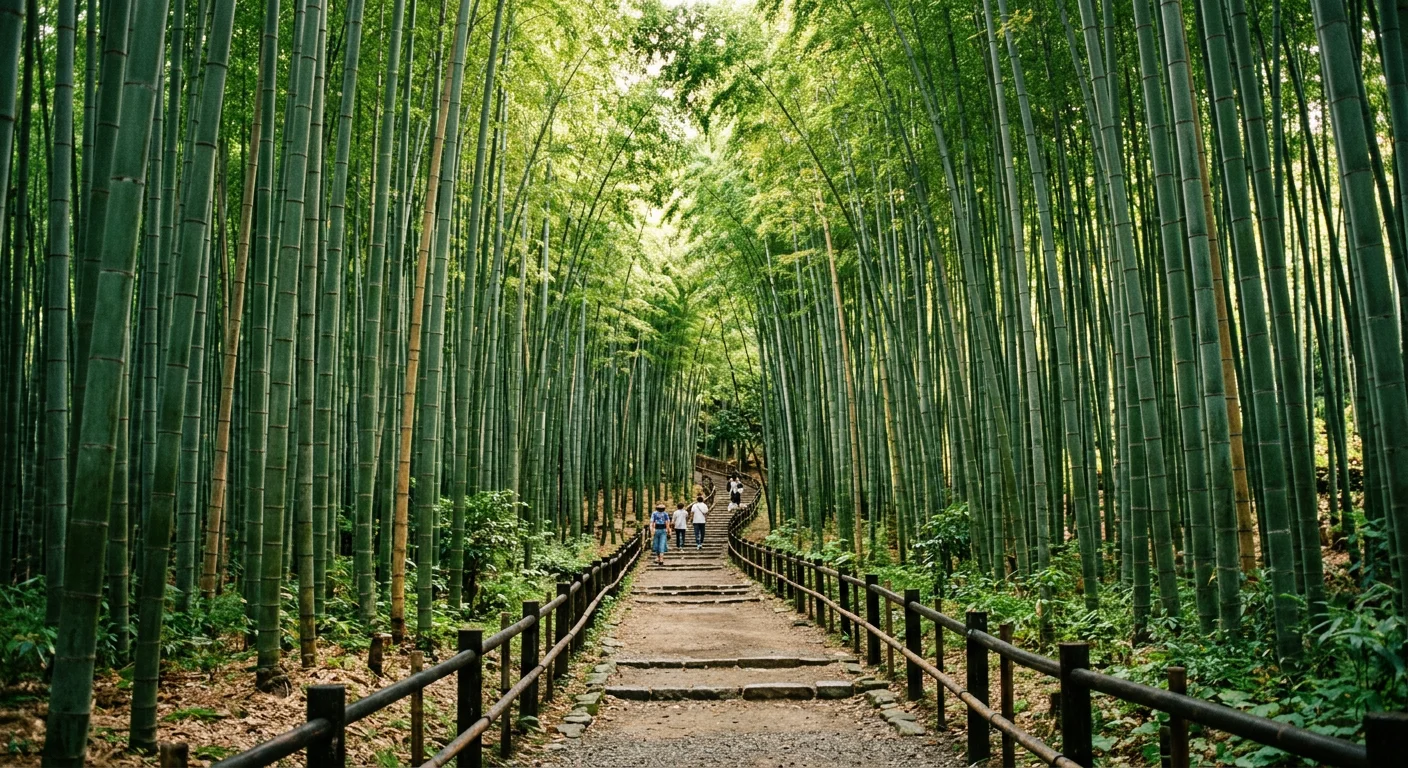
Kyoto's cultural fabric is one of careful preservation and deep reverence for tradition. It was Japan's imperial capital for over a thousand years, resulting in a city dense with UNESCO World Heritage sites like Kinkaku-ji (Golden Pavilion) and Fushimi Inari-taisha, with its thousands of vermilion torii gates. Gion district still offers glimpses of geisha culture, and tea ceremonies offer insights into traditional practices. The preservation here is meticulous, presenting history in an organized, almost museum-like fashion.
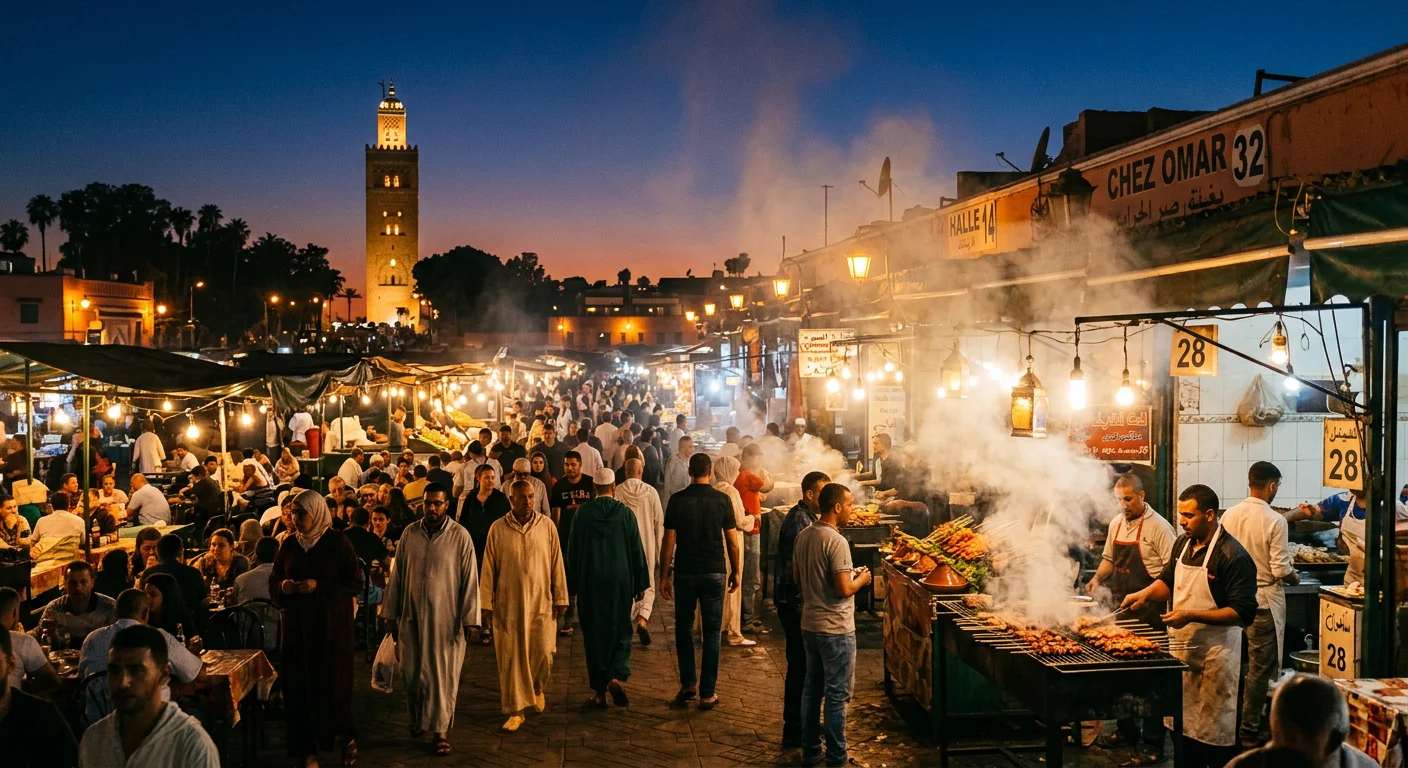
Marrakech's history is equally profound but experienced differently. The city's Medina dates back to the 11th century, a maze of narrow alleys leading to historic mosques, madrasas, and palaces like the Bahia Palace. Jemaa el-Fna square has been a gathering point for centuries, filled with storytellers, musicians, and food stalls. The culture is immediate and immersive, often requiring more active engagement. While both cities possess deep historical roots, Kyoto's pervasive sense of ancient peace and meticulous preservation edges it out for those seeking pure historical depth and order.
- Winner: Kyoto
- Why: Kyoto offers a more consistently preserved and deeply contemplative experience of ancient imperial history and spiritual practices.
- Who this matters for: Those who prioritize a serene exploration of ancient traditions, meticulously maintained historical sites, and quiet reflection.
🍜 Food
Kyoto's food scene is known for its incredible diversity and precision. From Michelin-starred kaiseki meals that can cost JPY 20,000+ (approx. $130+ USD) to exceptional bowls of…
Kyoto's food scene is known for its incredible diversity and precision. From Michelin-starred kaiseki meals that can cost JPY 20,000+ (approx. $130+ USD) to exceptional bowls of ramen at places like Ichiran for JPY 1,000 (approx. $6.50 USD), the range is broad. Nishiki Market offers a journey through local delicacies, including pickled vegetables, fresh seafood, and matcha desserts. The emphasis is on fresh ingredients, seasonal flavors, and presentation.
Marrakech's food is about bold flavors, aromatic spices, and communal eating. Jemaa el-Fna comes alive nightly with dozens of food stalls serving grilled meats, harira soup, and snail soup for just a few dirhams. Beyond the square, restaurants offer rich tagines (vegetable, chicken, lamb) and fluffy couscous dishes, often for MAD 60-120 (approx. $6-12 USD). Moroccan mint tea is a ritual in itself. Both cities deliver exceptional culinary journeys, just in different styles, making this category a tie depending on taste preferences. You cant go wrong with either.
- Winner: Tie
- Why: Both cities offer distinct and incredibly compelling food experiences that cater to different palates.
- Who this matters for: All travelers; food lovers will find fulfillment in either city but for different reasons.
✈️ Getting There
Reaching Kyoto usually involves a long-haul flight into Kansai International Airport (KIX) near Osaka. From a major hub like New York, a flight will typically take 14-16 hours…
Reaching Kyoto usually involves a long-haul flight into Kansai International Airport (KIX) near Osaka. From a major hub like New York, a flight will typically take 14-16 hours with one stop, costing $1,000-$1,500 USD round trip, depending on the season. From KIX, the Haruka Express train takes about 75 minutes and costs JPY 3,000 (approx. $20 USD) to reach Kyoto Station. The journey is efficient once in Japan but the initial flight is lengthy.
Marrakech is more accessible for many international travelers, especially those starting from Europe. Flights from London or Paris can be as short as 3-4 hours direct, with round-trip fares often below $300-$500 USD. From North America, a flight to Marrakech Menara Airport (RAK) typically takes 8-10 hours with one stop, often via a European city, and costs $700-$1,000 USD. The airport is close to the city, with a taxi to the Medina costing around MAD 70-100 (approx. $7-10 USD). The shorter travel times and often lower flight costs give Marrakech the advantage.
- Winner: Marrakech
- Why: Marrakech is generally quicker and less expensive to reach for most international travelers, especially from Europe.
- Who this matters for: Travelers with limited vacation time, those sensitive to long-haul flights, or those seeking more affordable airfare.
🚶 Getting Around
Kyoto's public transportation system is a model of efficiency and clarity. Buses cover the entire city, reaching almost every attraction, and the subway system is easy to navigate…
Kyoto's public transportation system is a model of efficiency and clarity. Buses cover the entire city, reaching almost every attraction, and the subway system is easy to navigate with English signage. A one-day bus pass costs JPY 700 (approx. $4.50 USD) and provides unlimited rides. Taxis are available but expensive, with short rides starting around JPY 600-800 (approx. $4-5 USD). The city is also very walkable, with well-maintained sidewalks and pedestrian zones, making independent exploration simple and stress-free.
Marrakech's Medina is primarily pedestrian, a dense network of alleys and squares where cars cannot enter. Getting around within the Medina means walking, which can be disorienting without a map or guide but is part of the experience. For longer distances outside the Medina or to specific gardens like Jardin Majorelle, petit taxis are the primary option. These often require negotiation, and meters are not always used, leading to potential overcharging if you are not careful. Expect to pay MAD 30-50 (approx. $3-5 USD) for most rides. Kyoto's seamless transport system makes it significantly easier to navigate.
- Winner: Kyoto
- Why: Kyoto's public transport system is exceptionally efficient, reliable, and easy to use, making exploration effortless.
- Who this matters for: Travelers who prefer structured, easy navigation, those uncomfortable with negotiation, or individuals with mobility considerations.
🏨 Accommodation
Kyoto offers a range of accommodation from efficient business hotels like APA Hotel for JPY 10,000-15,000 (approx. $65-100 USD) to luxurious traditional ryokans, where a night can…
Kyoto offers a range of accommodation from efficient business hotels like APA Hotel for JPY 10,000-15,000 (approx. $65-100 USD) to luxurious traditional ryokans, where a night can easily exceed JPY 30,000 (approx. $200 USD), often including dinner and breakfast. Guesthouses and hostels provide budget options, with dorm beds around JPY 3,000-5,000 (approx. $20-30 USD). While quality is consistently high, prices reflect the Japanese standard of living.
Marrakech excels with its riad culture. These traditional Moroccan houses with interior courtyards are converted into guesthouses, offering intimate stays. A well-rated riad can be found for MAD 500-1000 (approx. $50-100 USD) per night, providing a distinctive and personal experience often with a pool and rooftop terrace. Larger, more modern hotels exist outside the Medina, but the riads within offer a superior sense of place. Even budget travelers can find charming guesthouses for MAD 200-400 (approx. $20-40 USD). Marrakech wins for offering more distinctive, higher-value accommodation options.
- Winner: Marrakech
- Why: Marrakech provides more unique and atmospheric accommodation options, particularly riads, at better value across all price points.
- Who this matters for: Travelers seeking a memorable, culturally immersive stay beyond standard hotel rooms, or those prioritizing value for money in their lodging.
🏞️ Day Trips
Kyoto serves as an excellent base for exploring the Kansai region. Nara, famous for its friendly deer and Todai-ji Temple, is just a 45-minute train ride away (JPY 720 / approx.…
Kyoto serves as an excellent base for exploring the Kansai region. Nara, famous for its friendly deer and Todai-ji Temple, is just a 45-minute train ride away (JPY 720 / approx. $4.70 USD). Osaka, a lively metropolis, is only 30 minutes by train (JPY 580 / approx. $3.80 USD). Himeji Castle, a pristine example of Japanese castle architecture, is also a feasible day trip by Shinkansen. These trips are typically cultural or historical, focusing on other cities and their sites.
Marrakech offers a diverse array of day trips that depart from the urban setting into natural landscapes and coastal towns. A popular trip is to the Atlas Mountains, visiting Berber villages and hiking waterfalls in the Ourika Valley. Essaouira, a picturesque coastal city, is a 2.5-hour bus ride away (MAD 90 / approx. $9 USD) and offers a relaxing contrast to the city. Multi-day desert tours to the Sahara are also easily arranged. The variety of experiences, from mountains to sea to desert, makes Marrakech stand out. Marrakech wins for the sheer diversity of its immediate natural surroundings for excursions.
- Winner: Marrakech
- Why: Marrakech offers a wider variety of day trips encompassing natural landscapes, coastal towns, and desert adventures.
- Who this matters for: Travelers who want to combine city exploration with diverse natural environments and outdoor activities.
🛡️ Safety
Kyoto, like the rest of Japan, maintains an exceptionally low crime rate. It is common to see children walking alone, and people often leave bags unattended in cafes without…
Kyoto, like the rest of Japan, maintains an exceptionally low crime rate. It is common to see children walking alone, and people often leave bags unattended in cafes without concern. Visitors can feel safe walking alone at night, even in quiet neighborhoods. Incidents of theft or violent crime are exceedingly rare, providing a level of comfort and security that few other major cities can match. Lost items are frequently returned to police boxes.
Marrakech is generally safe for tourists, but it requires a higher degree of situational awareness. Petty theft, like pickpocketing, can occur in crowded areas like Jemaa el-Fna and the souks. Touting and aggressive sales tactics are common, especially for solo female travelers, which can be unsettling. While violent crime against tourists is rare, navigating the Medina at night can be confusing and requires caution. Tourists are advised to dress modestly. Kyoto's unparalleled level of safety makes it the clear winner.
- Winner: Kyoto
- Why: Kyoto offers a virtually unparalleled sense of safety and security, with extremely low crime rates and a trustworthy environment.
- Who this matters for: Solo travelers, families with young children, or anyone for whom personal safety and peace of mind are top priorities.
🛡 Dig deeper: Kyoto scam guide · Marrakech scam guide
🛍️ Shopping
Kyoto's shopping scene ranges from traditional crafts to modern department stores. Nishiki Market offers local food products, while Gion and other areas have shops selling…
Kyoto's shopping scene ranges from traditional crafts to modern department stores. Nishiki Market offers local food products, while Gion and other areas have shops selling traditional textiles, ceramics, and exquisite stationery. Department stores like Isetan at Kyoto Station offer high-end fashion and electronics. Shopping here is typically a polite, fixed-price experience, with an emphasis on quality and aesthetic.
Marrakech is defined by its souks (markets), a labyrinth of stalls offering everything from leather goods, hand-woven carpets, intricate lanterns, ceramics, spices, and traditional clothing. Haggling is expected and part of the experience, offering the chance to secure goods at a fraction of the initial asking price. While it can be overwhelming, the sheer volume and variety of handcrafted items, alongside the interactive nature of the purchasing process, makes for a more engaging shopping experience. Marrakech wins for its unique, immersive, and often thrilling shopping environment.
- Winner: Marrakech
- Why: Marrakech's souks provide a more immersive, interactive, and distinct shopping experience with a focus on handcrafted artisan goods.
- Who this matters for: Travelers who enjoy bargaining, seeking unique artisan crafts, and wanting a memorable cultural shopping experience.
☀️ Weather & Seasons
Kyoto experiences four distinct seasons. Spring (March-May) and autumn (October-November) are generally considered the best times to visit, with comfortable temperatures ranging…
Kyoto experiences four distinct seasons. Spring (March-May) and autumn (October-November) are generally considered the best times to visit, with comfortable temperatures ranging from 15-25°C (59-77°F). Spring features cherry blossoms, while autumn brings vibrant fall foliage. Summers (June-August) are hot and humid, often exceeding 30°C (86°F) with high humidity, making sightseeing tiring. Winters (December-February) are cold, with temperatures around 0-10°C (32-50°F) and occasional light snowfall.
Marrakech has a semi-arid climate, meaning hot, dry summers and mild, wet winters. Summers (June-August) are intensely hot, regularly exceeding 40°C (104°F), making daytime exploration challenging. Spring (March-May) and autumn (September-November) offer pleasant temperatures, typically 20-30°C (68-86°F), with plenty of sunshine and minimal rain. Winters (December-February) are mild, around 10-20°C (50-68°F), but nights can be cold. While Marrakech has longer periods of sunshine, Kyoto's pleasant spring and autumn, with their distinct natural beauty (cherry blossoms, fall leaves), are more appealing for general outdoor exploration. Kyoto offers more predictable and less extreme conditions for most popular travel times.
- Winner: Kyoto
- Why: Kyoto's spring and autumn seasons offer a more comfortable climate and visually distinct natural beauty (cherry blossoms, fall foliage) compared to Marrakech's extreme summer heat.
- Who this matters for: Travelers prioritizing comfortable walking weather and distinct seasonal natural phenomena like cherry blossoms or autumn leaves.
🎯 The Decision Framework
Choose Kyoto If…
- You appreciate meticulous preservation and order.
- You seek profound historical and spiritual sites.
- You value exceptional public transportation.
- You prefer a highly safe and trustworthy environment.
- You are comfortable with higher travel costs.
- You enjoy refined dining experiences and diverse ramen.
- You are fascinated by traditional Japanese arts and crafts.
- You want to experience cherry blossoms or autumn foliage.
- You prefer a quiet, respectful atmosphere for exploration.
Choose Marrakech If…
- You seek an immersive, sensory-rich experience.
- You prioritize budget-friendly travel and accommodations.
- You enjoy the art of haggling in traditional souks.
- You are drawn to vibrant street life and unique architecture.
- You want to explore diverse landscapes (mountains, desert, coast).
- You appreciate bold, spice-infused cuisine like tagines and couscous.
- You are comfortable with a more chaotic and spontaneous environment.
- You want to experience the daily rhythms of a historic Medina.
- You enjoy distinct, atmospheric riad stays over standard hotels.
❓ Frequently Asked Questions
What are the typical flight durations from North America to each city?
From major North American hubs, flights to Osaka (KIX, near Kyoto) typically take 14-16 hours with at least one stop. Flights to Marrakech (RAK) generally take 8-10 hours with one stop, often through a European city. Marrakech is significantly closer for North American travelers.
Which city is better for solo female travelers regarding safety?
Kyoto is considerably better for solo female travelers due to its extremely low crime rates and a general sense of public trust. You can walk alone at any hour with minimal concern. Marrakech requires more caution, especially in the Medina at night, and solo female travelers often report issues with persistent touting and unwanted attention.
What are the average daily costs for a mid-range traveler in each city?
In Kyoto, a mid-range traveler should budget around JPY 15,000-30,000 (approx. $100-200 USD) per day, covering accommodation, food, and transport. Marrakech is more affordable, with a mid-range daily budget often falling between MAD 500-1000 (approx. $50-100 USD), including a riad stay and meals.
What kind of food can I expect in each destination?
Kyoto offers refined Japanese cuisine, from multi-course kaiseki meals to diverse ramen, fresh sushi, and intricate matcha desserts. Marrakech is known for its spice-rich dishes like tagines, couscous, pastillas, and an array of grilled meats and street food found in Jemaa el-Fna square.
Is public transportation easy to use in both cities?
Kyoto has an exceptionally efficient and user-friendly public transport system of buses and subways, with clear English signage, making it very easy to navigate. Marrakech's Medina is primarily for walking, and while taxis are available outside, they often require negotiation and do not always use meters, making it less straightforward for visitors.
Which city has better options for unique cultural accommodation?
Marrakech excels with its riads, traditional Moroccan houses converted into guesthouses, offering intimate and distinct stays with inner courtyards and rooftop terraces. Kyoto offers traditional ryokans, but they are typically more expensive and less numerous than Marrakech's riads, giving Marrakech the edge for unique, accessible cultural lodging.
What are the best times of year to visit each city for comfortable weather?
For Kyoto, spring (March-May) for cherry blossoms and autumn (October-November) for fall foliage offer the most comfortable temperatures, typically 15-25°C. For Marrakech, spring (March-May) and autumn (September-November) are ideal, with pleasant temperatures usually between 20-30°C, avoiding the intense summer heat.
Can I easily find English speakers in both Kyoto and Marrakech?
In Kyoto, English is commonly understood in tourist-facing businesses, hotels, and major attractions, and public transport has English signage. In Marrakech, English is also spoken in tourist areas, riads, and souks, but French and Arabic are more prevalent in daily interactions. Communication in Kyoto tends to be more consistent and clear.
Ready to plan your East Asia or North Africa trip?
Know the tourist scams before you go — documented from real traveler reports.