
How we built this comparison
This page combines traveler discussion patterns, published price ranges, flight schedules, and seasonal data to help you decide between Lisbon and Rome.
- Reviewed Reddit threads from r/travel, r/solotravel, r/Portugal, r/Rome, and r/europetravel.
- Verified costs and logistics against current booking platforms (e.g., Google Flights, Booking.com, local transport sites).
- Cross-referenced seasonal patterns and weather data from meteorological sources for accuracy.
⚡ Quick Answers
⚡ The TL;DR Verdict
For most travelers seeking better value, simpler navigation, and a relaxed pace alongside good food and music, Lisbon is the stronger contender. Rome provides an unparalleled historical experience, but demands more budget and patience. Lisbon wins for the average traveler.
- Choose Lisbon: Pick Lisbon if you prioritize affordability, a laid-back atmosphere, excellent seafood, and easy access to beaches and day trips like Sintra, without the intense crowds.
- Choose Rome: Choose Rome if ancient history, monumental architecture, and a deep dive into classical art and religion are your primary travel goals, and you dont mind a higher daily spend.
- Choose Both: Combine both if you have 10+ days and want a comprehensive Southern European experience, flying between cities (e.g., Ryanair from LIS to FCO in ~2.5 hours for around €50-€100).
📊 Visual Scorecard
🌤 When to Visit
Average high temperatures (°C). Green = best months, orange = avoid.
Quick Comparison
| Category | Lisbon | Rome | Winner |
|---|---|---|---|
| Daily Costs | Generally more affordable for accommodation, food, and transport. Expect €80-120 ($85-130) per day for mid-range travel. | Higher costs across the board, especially for central accommodation. Budget €100-150 ($110-165) per day for mid-range travel. | Lisbon |
| Culture and History | Maritime exploration, Fado music, Moorish influences, and earthquake resilience define its character. Jerónimos Monastery, São Jorge Castle. | Ancient Roman Empire, Renaissance art, Baroque architecture, and Catholicism. Colosseum, Roman Forum, Vatican City. | Rome |
| Food Scene | Fresh seafood, bacalhau (codfish), pastéis de nata, grilled sardines. Focus on simple, quality ingredients. | Pasta dishes (Cacio e Pepe, Carbonara), Roman-style pizza, supplì, gelato. Rich, hearty, and traditional Italian fare. | Tie |
| Nightlife | Bairro Alto for bars, Cais do Sodré for clubs. Late-night Fado houses. Active and social. | Trastevere for relaxed bars, Testaccio for clubs. More focused on aperitivo and late dinners. | Lisbon |
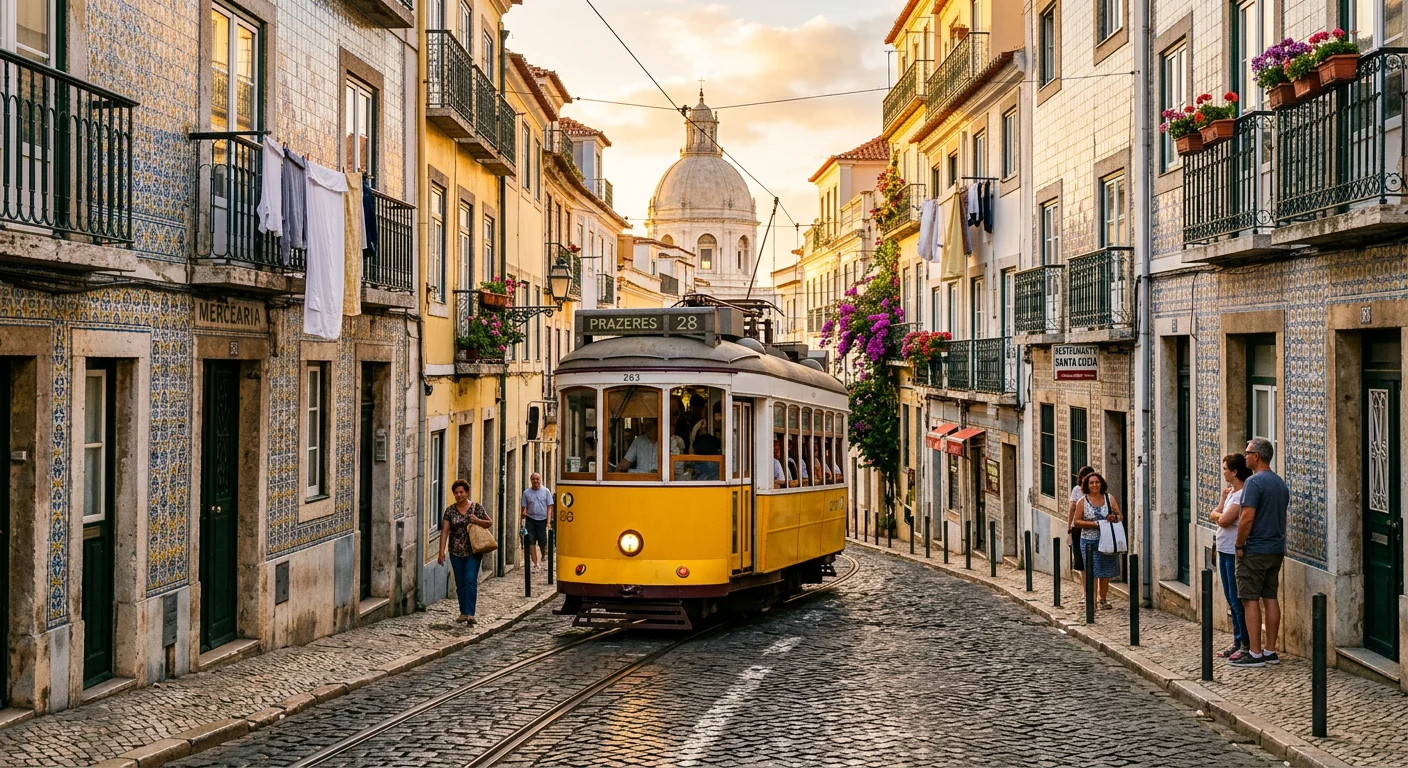
| Getting Around | Walkable but hilly. Excellent metro, trams (including Tram 28), and funiculars. Ride-sharing available. | Walkable in central areas, but spread out. Limited metro, extensive bus network. Traffic can be heavy. | Lisbon |
| Accommodation | Variety of boutique hotels, guesthouses, and apartments. Generally good value for money, especially outside peak season. | Historic hotels, larger chains, and apartments. Can be expensive, particularly in central areas, with varying quality. | Lisbon |
| Day Trips | Sintra (palaces, castles), Cascais (coastal town), Évora (Roman temple, medieval walls). Easily accessible by train. | Ostia Antica (ancient port), Tivoli (villas), Orvieto (hilltop town). Pompeii and Florence are longer but possible by high-speed train. | Lisbon |
| Weather and Seasons | Mild winters, warm and breezy summers (Atlantic influence). Shoulder seasons (April-May, Sept-Oct) are ideal. | Mild winters, hot and humid summers (can be oppressive). Shoulder seasons (April-May, Sept-Oct) are ideal. | Lisbon |
| Safety and Solo Travel | Generally safe, but watch for pickpockets in crowded tourist areas and on trams. Good for solo female travelers. | Generally safe, but pickpocketing is common around major attractions and on public transport. Solo travel is common. | Lisbon |
| Architecture and Aesthetics | Pastel-colored buildings, azulejos (tiles), Manueline Gothic, Pombaline reconstruction, hilly viewpoints. | Ancient Roman ruins, Baroque churches, Renaissance palaces, classical statues, grand piazzas. | Rome |
💰 Daily Costs
Lisbon generally offers better value. A pastel de nata costs around €1.20-€1.50 ($1.30-1.60) at Pastéis de Belém, while a metro ticket is €1.65 ($1.80). A casual dinner with wine…
Lisbon generally offers better value. A pastel de nata costs around €1.20-€1.50 ($1.30-1.60) at Pastéis de Belém, while a metro ticket is €1.65 ($1.80). A casual dinner with wine at a local Tasca, like O Tachadas in Bairro Alto, can be €15-€25 ($16-27). Accommodation in central areas such as Baixa or Alfama starts from €70-€100 ($75-110) per night for a decent guesthouse or apartment. Overall, a traveler can experience much of Lisbon comfortably on €80-120 per day, allowing for attractions and good food.
Rome demands a larger budget. A slice of pizza al taglio might be €4-€7 ($4.50-7.50), but a sit-down meal with pasta and a drink in Trastevere or near the Pantheon will easily cost €20-€35 ($22-38). Public transport tickets are €1.50 ($1.65) for 100 minutes, similar to Lisbon, but attractions like the Colosseum or Vatican Museums are €18-€20 ($20-22) each, often requiring pre-booking. Accommodation in popular areas like Monti or Prati typically starts from €90-€140 ($98-150) per night for a similar standard. Rome is the more expensive destination for daily spending.
Tabiji Verdict: Lisbon provides significantly better value across all major spending categories, making it easier on the wallet.
- Winner: Lisbon
- Why: Lisbon offers lower prices for accommodation, food, and activities without compromising on quality.
- Who this matters for: Budget-conscious travelers and those planning longer trips benefit most from Lisbon's affordability.
🏛️ Culture and History
Lisbon offers a compelling narrative of seafaring exploration, earthquake devastation, and rebirth. Its history is visible in the narrow alleys of Alfama, the grandeur of Praça do…
Lisbon offers a compelling narrative of seafaring exploration, earthquake devastation, and rebirth. Its history is visible in the narrow alleys of Alfama, the grandeur of Praça do Comércio rebuilt after 1755, and the Manueline style of the Jerónimos Monastery and Belém Tower. The Fado music tradition, particularly in Alfama or Mouraria, provides a deeply Portuguese cultural experience. The São Jorge Castle provides views of the city's past and present, while the National Azulejo Museum showcases Portugal's ceramic tile artistry. It is a city with a distinct European history, but one focused on discovery rather than imperial conquest.
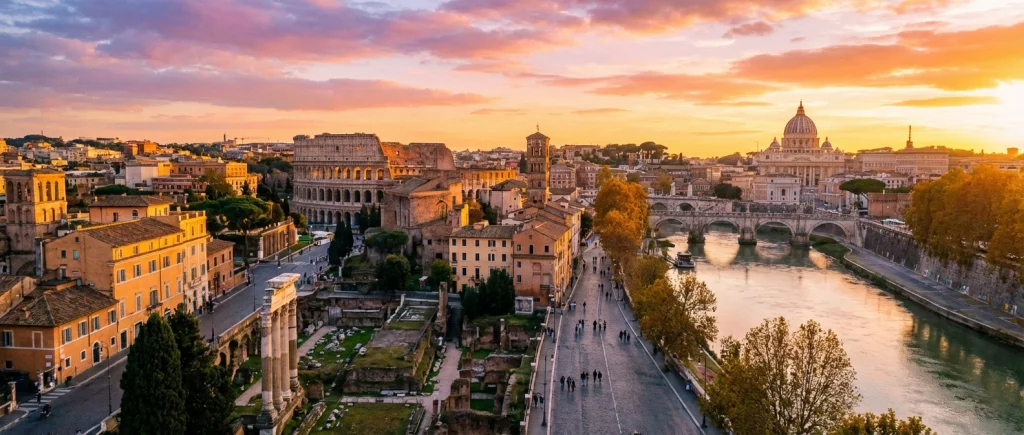
Rome stands as a monument to millennia of human civilization. The city is an open-air museum where the Roman Forum, Palatine Hill, and Colosseum narrate the rise and fall of an empire. The Vatican City, with St. Peter's Basilica and the Vatican Museums including the Sistine Chapel, represents centuries of religious and artistic power. Renaissance masterworks are found in churches and galleries across the city, such as Caravaggios in San Luigi dei Francesi. Every street corner seems to hold a fountain or ruin with a story. The historical density and scale of Rome are simply unmatched, offering an immersive journey through time.
Tabiji Verdict: Rome delivers an unparalleled historical and cultural experience due to its sheer concentration of iconic ancient and religious sites.
- Winner: Rome
- Why: Rome presents a concentration of globally significant ancient and religious historical sites that are unrivaled.
- Who this matters for: History buffs, art enthusiasts, and those interested in classical civilization and religious heritage will find Rome more compelling.
🍽️ Food Scene
Lisbon's food scene is defined by its proximity to the Atlantic. Expect excellent grilled fish, particularly sardines in summer, and an endless array of bacalhau dishes, from…
Lisbon's food scene is defined by its proximity to the Atlantic. Expect excellent grilled fish, particularly sardines in summer, and an endless array of bacalhau dishes, from Bacalhau à Brás to Bacalhau à Lagareiro. Seafood is paramount; head to Cervejaria Ramiro for a high-end experience or a smaller spot in Cais do Sodré for fresh catches. Of course, the pastel de nata is a daily requirement, with Manteigaria often cited as a top spot. Ginjinha, a cherry liqueur, is another local treat. The food is generally less formal and more about local flavor and fresh ingredients, with numerous small, family-run restaurants.
Rome offers a culinary journey through traditional Italian flavors. The Roman pasta trinity – Carbonara, Cacio e Pepe, and Amatriciana – is found on nearly every menu, perfected at places like Roscioli or Da Enzo al 29 in Trastevere. Roman-style pizza, with its thin, crispy crust, is distinct from its Neapolitan cousin. Supplì (fried rice balls) are a popular snack, and gelato shops are on every block, with Fatamorgana being a favorite. Roman cuisine is comforting, rich, and deeply rooted in tradition, often featuring offal and seasonal vegetables. Finding authentic, non-touristy food requires some research, but the rewards are substantial.
Tabiji Verdict: Both cities offer distinct and incredibly satisfying food experiences; the choice depends entirely on individual preference for seafood versus pasta and pizza.
- Winner: Tie
- Why: Both cities offer unique and high-quality culinary traditions that cater to different palates.
- Who this matters for: Travelers who appreciate fresh seafood and pastry will prefer Lisbon, while those who love pasta and traditional Italian dishes will favor Rome.
🍻 Nightlife
Lisbon excels in late-night activity. Bairro Alto transforms into a pedestrian-only party zone after dark, with dozens of tiny bars where people spill out into the streets, drinks…
Lisbon excels in late-night activity. Bairro Alto transforms into a pedestrian-only party zone after dark, with dozens of tiny bars where people spill out into the streets, drinks in hand. It is a social atmosphere, easy to meet people, and often continues until 2-3 AM. For those seeking clubs, Cais do Sodré offers venues like Musicbox and Pink Street, keeping the party going until dawn. Fado houses in Alfama or Bairro Alto provide a different kind of evening entertainment, with traditional music performances starting later in the evening. Lisbon's nightlife is accessible, varied, and generally more energetic than Rome's.
Rome has a more subdued, though still enjoyable, evening scene. Trastevere is the main hub for bars and trattorias, offering a relaxed atmosphere for aperitivo and drinks after dinner. Places like Freni e Frizioni are popular for cocktails. For later clubbing, areas like Testaccio or Ostiense have options, but they are more spread out and less spontaneously social than Lisbon's Bairro Alto. Romans tend to focus on long dinners and then a few drinks rather than extended club nights. While there are plenty of places to drink and socialize, the energy is less about large, open-air street parties and more about intimate gatherings or specific venues.
Tabiji Verdict: Lisbon provides a more dynamic, concentrated, and accessible nightlife experience, particularly for those who enjoy bar hopping and late-night social scenes.
- Winner: Lisbon
- Why: Lisbon's Bairro Alto and Cais do Sodré offer a more concentrated, lively, and late-night social environment.
- Who this matters for: Younger travelers, solo travelers, and those who enjoy bar hopping and late-night parties will find Lisbon's nightlife more appealing.
🚶 Getting Around
Lisbon is compact and relatively easy to navigate, despite its many hills. The metro system is clean, efficient, and covers most major areas, with a single journey costing €1.65…
Lisbon is compact and relatively easy to navigate, despite its many hills. The metro system is clean, efficient, and covers most major areas, with a single journey costing €1.65 ($1.80) or less with a Viva Viagem card. The historic trams, particularly the iconic Tram 28, are both a tourist attraction and a practical way to reach areas like Alfama. Funiculars (Elevador da Glória, Elevador da Bica) also assist with steep ascents. Walking is a primary method of transport, but be prepared for uphill sections. Ride-sharing apps like Uber and Bolt are readily available and affordable. The city feels less overwhelming for a first-time visitor.
Rome is a larger city, and while many central historical sites are walkable from each other, the city is much more spread out. The metro has only three main lines and does not reach many important areas due to the challenge of digging through ancient ruins. This means relying heavily on the extensive but often crowded and sometimes unreliable bus network. Tickets cost €1.50 ($1.65) for 100 minutes across all public transport. Traffic can be very heavy, affecting bus schedules. Taxis and ride-sharing are available but more expensive than in Lisbon. Navigating Rome requires more planning and patience with public transport.
Tabiji Verdict: Lisbon offers a more user-friendly and efficient public transport system, complemented by a compact layout, making it easier to explore.
- Winner: Lisbon
- Why: Lisbon's efficient metro, extensive tram network, and more compact layout make it simpler to navigate than Rome.
- Who this matters for: Travelers who prefer easy public transport, dislike long commutes, or have limited mobility will find Lisbon more convenient.
🏨 Accommodation
Lisbon provides a diverse range of lodging options that often deliver excellent value. From charming guesthouses in Alfama, like AlmaLusa Baixa/Chiado, to stylish boutique hotels…
Lisbon provides a diverse range of lodging options that often deliver excellent value. From charming guesthouses in Alfama, like AlmaLusa Baixa/Chiado, to stylish boutique hotels in Principe Real or Bairro Alto, there are choices for various budgets. Expect to find well-located, comfortable double rooms for €70-€100 ($75-110) in the shoulder seasons. Hostels are also plentiful and high quality, such as Home Lisbon Hostel. The apartment rental market is robust, offering self-catering options. The overall quality-to-price ratio in Lisbon typically outperforms Rome, especially for centrally located properties.
Rome's accommodation scene, while extensive, tends to be pricier for comparable quality, especially in prime locations like near the Pantheon, Spanish Steps, or Trastevere. Historic hotels can be luxurious but come with a high cost, easily €150-€250+ ($165-270+) per night. More budget-friendly options might be further from the main attractions, requiring more reliance on public transport. Good quality mid-range hotels in central areas, like Hotel Artemide near the Termini, typically start around €120-€160 ($130-175). Finding good value requires careful searching and booking well in advance, particularly during peak tourist season. Some older establishments might lack modern amenities without a premium price tag.
Tabiji Verdict: Lisbon offers consistently better value and a wider selection of well-appointed, centrally located accommodations across various budget points.
- Winner: Lisbon
- Why: Lisbon provides more affordable and higher-quality accommodation options for a given price point compared to Rome.
- Who this matters for: Travelers seeking comfortable, well-located lodging without overspending, including families and couples, will appreciate Lisbon's offerings.
🚗 Day Trips
Lisbon has an impressive array of convenient and diverse day trips. Sintra, a UNESCO site, is a short 40-minute train ride away (€2.30, $2.50) and offers whimsical palaces like…
Lisbon has an impressive array of convenient and diverse day trips. Sintra, a UNESCO site, is a short 40-minute train ride away (€2.30, $2.50) and offers whimsical palaces like Pena Palace and the Quinta da Regaleira estate, along with the ancient Moorish Castle. Cascais, a charming coastal town with beaches, is also easily reached by a 40-minute train ride along the Tagus estuary. For history further afield, Évora, with its Roman Temple and Chapel of Bones, is a 1.5-hour train journey. These destinations are distinct, well-connected, and offer a significant change of scenery from the city.
Rome also has excellent day trip potential, though some major ones require more travel. Ostia Antica, an incredibly preserved ancient Roman port, is a short train ride (€1.50, $1.65) and offers a comparable historical experience to Pompeii without the distance. Tivoli, home to Hadrians Villa and Villa dEste, is a bus ride away. For more extensive excursions, Pompeii and Florence are popular but involve a 2-hour+ high-speed train ride (starting from €30-€50, $33-55) each way, making them longer and more expensive undertakings. While impressive, Romes immediate day trip options are slightly less diverse in type and scale compared to Lisbon's.
Tabiji Verdict: Lisbon wins due to its greater variety of easily accessible, distinct, and high-quality day trip options that cater to different interests.
- Winner: Lisbon
- Why: Lisbon offers a wider range of easily accessible and distinct day trip destinations like Sintra and Cascais, providing varied experiences.
- Who this matters for: Travelers who enjoy exploring beyond the main city and seek a mix of palaces, castles, and coastal towns will find Lisbon's offerings superior.
☀️ Weather and Seasons
Lisbon benefits from its Atlantic coastal position, resulting in milder and more comfortable weather, especially during summer. Summers (June-August) are warm, often reaching…
Lisbon benefits from its Atlantic coastal position, resulting in milder and more comfortable weather, especially during summer. Summers (June-August) are warm, often reaching 25-30°C (77-86°F), but a refreshing ocean breeze frequently mitigates the heat. Winters (Dec-Feb) are mild, rarely dropping below 10°C (50°F), with occasional rain. The shoulder seasons of April-May and September-October are particularly pleasant, with warm temperatures and fewer crowds. The climate generally allows for comfortable outdoor exploration for more days of the year, with less extreme heat.
Rome experiences more extreme temperatures, particularly in summer. Summers (June-August) are often hot and humid, with temperatures frequently exceeding 30-35°C (86-95°F) and little relief from a breeze, which can make extensive sightseeing challenging and exhausting. Winters are mild but can be damp, with temperatures averaging 5-10°C (41-50°F). Like Lisbon, the shoulder seasons of April-May and September-October are considered the best times to visit for comfortable temperatures and fewer crowds. However, the intensity of Rome's summer heat is a significant factor to consider for many travelers.
Tabiji Verdict: Lisbon offers a more consistently pleasant climate, especially during the popular summer months, making for more comfortable sightseeing.
- Winner: Lisbon
- Why: Lisbon's coastal location provides milder, breezier summers compared to Rome's often oppressive heat and humidity.
- Who this matters for: Travelers sensitive to extreme heat, those planning summer trips, and anyone prioritizing comfortable walking weather will prefer Lisbon.
🚶♀️ Safety and Solo Travel
Lisbon is widely regarded as a safe city for travelers, including solo female travelers. Standard precautions against petty crime, such as pickpocketing, are advisable in crowded…
Lisbon is widely regarded as a safe city for travelers, including solo female travelers. Standard precautions against petty crime, such as pickpocketing, are advisable in crowded areas like the Baixa, on Tram 28, and at busy markets. However, violent crime is rare. The city feels comfortable to navigate alone, even at night in well-lit, populated areas like Bairro Alto (though common sense applies). The compact nature of the city and its efficient public transport make it easy for solo travelers to explore without feeling isolated. Locals are generally helpful and friendly, contributing to a welcoming atmosphere.
Rome is also a generally safe city for tourists, but it has a higher incidence of petty crime, especially pickpocketing and bag snatching, particularly around major attractions like the Colosseum, Trevi Fountain, and on crowded buses or metro lines. Solo travelers should be particularly vigilant in these areas. While violent crime is low, the sheer volume of tourists can attract more opportunistic thieves. Navigating Rome alone is manageable, but the larger, more sprawling nature of the city can sometimes feel less immediately inviting than Lisbon. Awareness of surroundings and securing belongings are crucial in Rome.
Tabiji Verdict: Lisbon offers a slightly more relaxed and less crime-prone environment for solo travelers, with fewer reports of aggressive petty crime.
- Winner: Lisbon
- Why: Lisbon has a slightly lower incidence of aggressive petty crime and a more relaxed atmosphere for solo exploration.
- Who this matters for: Solo travelers, particularly solo female travelers, and those prioritizing a generally worry-free experience will find Lisbon more reassuring.
🛡 Dig deeper: Lisbon scam guide · Rome scam guide
🏗️ Architecture and Aesthetics
Lisbon presents a unique aesthetic characterized by its hilly landscape, pastel-colored buildings, and widespread use of azulejos. The Pombaline architecture of the Baixa…
Lisbon presents a unique aesthetic characterized by its hilly landscape, pastel-colored buildings, and widespread use of azulejos. The Pombaline architecture of the Baixa district, rebuilt symmetrically after the 1755 earthquake, contrasts with the medieval maze of Alfama. The Manueline style, seen in the Jerónimos Monastery, displays intricate maritime motifs. Miradouros, or viewpoints, across the city offer expansive vistas of terracotta roofs and the Tagus River. The city has a charming, slightly faded grandeur, with a distinct visual identity that feels less imposing and more inviting, reflecting its unique history and light.
Rome's architecture is a testament to its imperial past and artistic zenith. It has an unparalleled collection of ancient Roman structures like the Colosseum, Pantheon, and Roman Forum, which dominate the cityscape. Later periods added Baroque churches with elaborate facades and interiors, Renaissance palaces, and grand piazzas adorned with fountains and sculptures, such as the Trevi Fountain and Piazza Navona. The city feels like an open-air museum, where every corner reveals another layer of history and artistic mastery. The scale and grandeur of Romes architectural heritage create an immediate sense of awe and reverence for its past.
Tabiji Verdict: Rome surpasses Lisbon in architectural grandeur and historical impact, offering a more profound visual journey through millennia of design.
- Winner: Rome
- Why: Rome's concentration of ancient Roman, Renaissance, and Baroque architectural masterpieces creates a more impactful visual experience.
- Who this matters for: Travelers who appreciate monumental ancient ruins, classical art, and grand historical buildings will be more impressed by Rome.
🎯 The Decision Framework
Choose Lisbon If…
- You want better value for your money across accommodation, food, and transport.
- You prefer a city with a more laid-back atmosphere and fewer overwhelming crowds.
- You love fresh seafood, grilled sardines, and the famous pastel de nata.
- You appreciate a lively, accessible nightlife focused on street bars and social interaction.
- You desire easy and varied day trips to palaces, castles, and coastal towns like Sintra and Cascais.
- You are sensitive to extreme heat and prefer milder summer temperatures with an ocean breeze.
- You value efficient public transport and a compact city layout that is easy to navigate.
- You prefer a city with a slightly lower incidence of aggressive petty crime, especially as a solo traveler.
Choose Rome If…
- Your primary interest is ancient Roman history, ruins, and imperial architecture.
- You want to explore the Vatican City, St. Peter's Basilica, and the Vatican Museums.
- You dream of authentic Roman pasta dishes like Carbonara, Cacio e Pepe, and traditional Roman pizza.
- You seek grand artistic and religious masterpieces from the Renaissance and Baroque periods.
- You are prepared for a higher daily budget for accommodation, food, and attractions.
- You are comfortable navigating a larger, more spread-out city with a bus-reliant transport system.
- You want to experience a city that feels like an open-air museum at every turn.
- You enjoy long, leisurely dinners and aperitivo as the main evening activity rather than intense clubbing.
❓ Frequently Asked Questions
Which city is better for a first-time European traveler?
Lisbon is generally better for a first-time European traveler. Its smaller size, more affordable prices (a metro ticket costs €1.65), and easier navigation make it less overwhelming. Rome, while iconic, can be intense with its crowds and more complex public transport.
How many days are enough for each city?
For Lisbon, 3-4 full days are adequate to see the main sights, with an additional day for a trip to Sintra. For Rome, 4-5 full days are recommended to cover the ancient sites, Vatican City, and major piazzas without feeling rushed.
What is the average flight time from the US to Lisbon vs. Rome?
From major East Coast US cities (e.g., New York JFK), a direct flight to Lisbon (LIS) averages around 6.5-7 hours. A direct flight to Rome (FCO) averages around 8 hours, making Lisbon slightly quicker to reach.
Which city has better beaches nearby?
Lisbon has significantly better and more accessible beaches. Cascais and Estoril are a 40-minute train ride away, offering sandy shores. Rome has Ostia Lido, but it is less appealing and further, typically requiring a 45-minute train journey.
Is English widely spoken in both cities?
Yes, English is widely spoken in both cities, especially in tourist areas, hotels, and restaurants. Younger generations in both Lisbon and Rome tend to have good English proficiency.
Which city is more walkable?
Lisbon is more walkable within its distinct neighborhoods, but it is very hilly, requiring effort. Rome is also walkable for central attractions, but the city is larger and more spread out, making covering long distances on foot more tiring.
What is the cost of a main meal in a mid-range restaurant in each city?
In Lisbon, a main meal in a mid-range restaurant (e.g., a good seafood dish) typically costs €12-€20 ($13-22). In Rome, a pasta dish or main course in a similar establishment often ranges from €15-€25 ($16-27).
Which city is better for shopping for unique souvenirs?
Lisbon offers more unique, local souvenirs like ceramic azulejo tiles, cork products, tinned fish, and traditional Fado music items. Rome focuses more on fashion, leather goods, and Vatican-related religious items, which are less 'unique' in a craft sense.
Ready to plan your Southern Europe trip?
Know the tourist scams before you go — documented from real traveler reports.