How we built this comparison
This page combines traveler discussion patterns from Reddit, published price ranges, transit data, and seasonal weather to help you decide between New York City and Tokyo.
- Reviewed hundreds of Reddit threads across r/travel, r/Tokyo, r/nycrail, and r/JapanTravelTips for recurring traveler opinions and firsthand cost reports.
- Cross-referenced accommodation pricing from Booking.com and Hostelworld; food costs from Numbeo and Reddit price reports (2025–2026).
- Transit data from NYC MTA and Tokyo Metro official fare tables; weather data from Open-Meteo archive.
Best read as a decision guide. The right pick depends on your budget, travel style, and what kind of sensory overload you prefer.
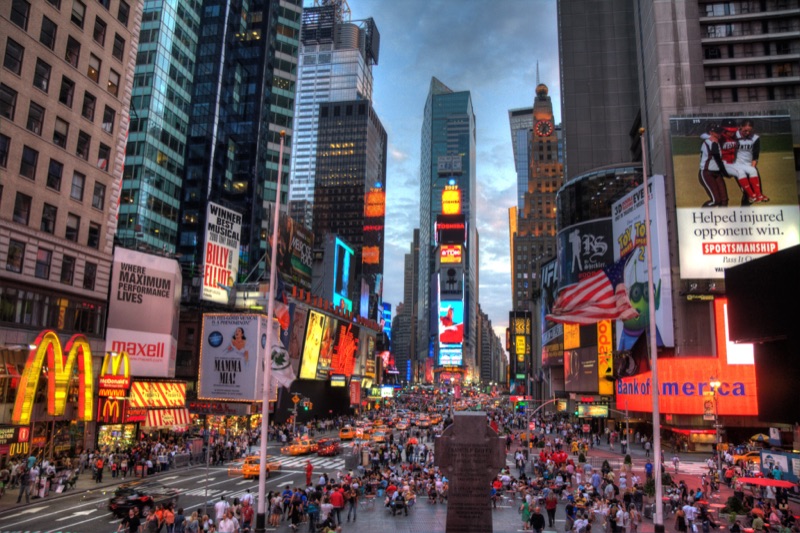
Times Square, NYC
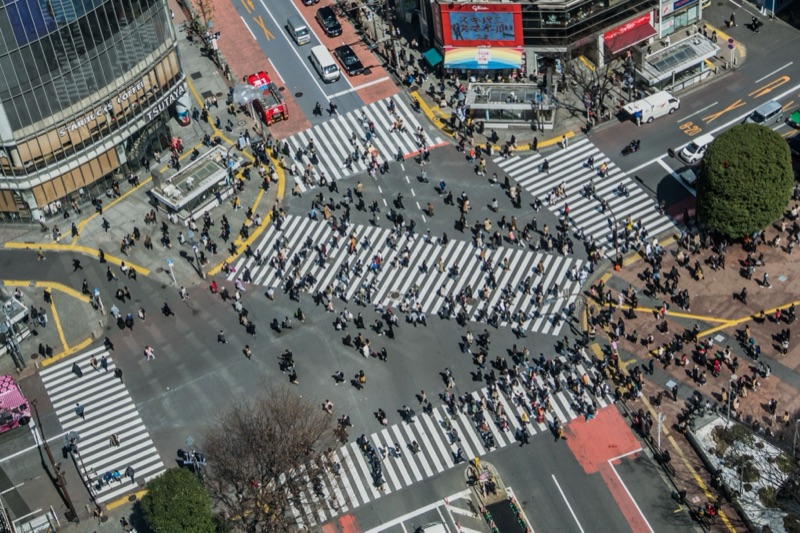
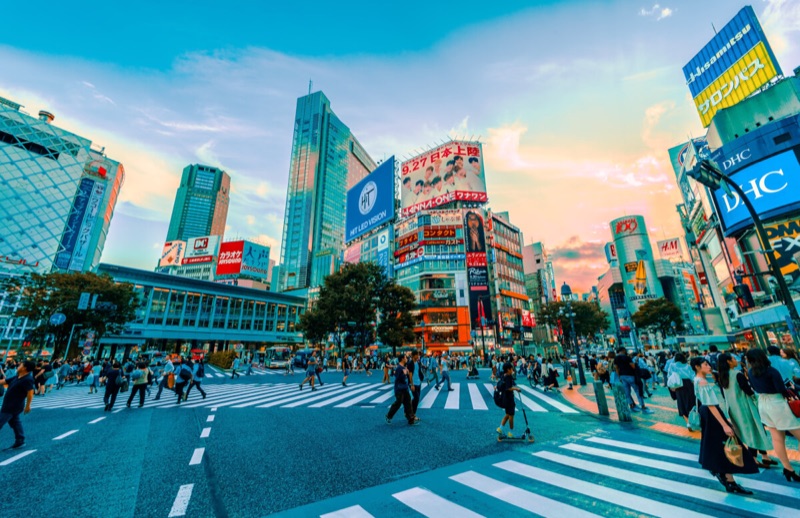
Shibuya Crossing, Tokyo
⚡ The TL;DR Verdict
Tokyo wins on value, safety, and food quality per dollar. New York wins on 24/7 energy, cultural diversity, and sheer accessibility for most Western travelers. These are two of the greatest cities on Earth — and they're about as different as two cities can possibly be.
- Choose New York: First-timers from the West, culture and arts lovers, nightlife addicts, those who want English everywhere.
- Choose Tokyo: Anyone seeking maximum value, ultra-safe solo travel, world-class food at every price point, and sensory overload of the most orderly kind.
- Budget snapshot: NYC: $150–250/day mid-range; Tokyo: $100–150/day mid-range (¥15,000–22,000).
Choose New York
Western travelers, arts and Broadway fans, those who want 24/7 city energy without a 14-hour flight and no language barrier.
Choose Tokyo
Value-seekers, solo travelers, foodies who want Michelin-level meals at ramen prices, and anyone curious about a civilization running on entirely different software.
Quick Comparison
| Category | 🗽 New York | 🗼 Tokyo | Winner |
|---|---|---|---|
| Daily Budget (mid-range) | $150–250/day | $100–150/day (¥15,000–22,000) | Tokyo |
| Food Scene | 70+ Michelin stars, incredible diversity (Italian, Korean, Jewish, etc.) | 200+ Michelin stars, world's best ramen, sushi, convenience store food | Tokyo |
| Safety | Standard big-city vigilance required; improving but incidents occur | One of the world's safest megacities; almost zero street crime | Tokyo |
| Public Transit | 24/7 subway (472 stations), $2.90/ride; often delayed and dirty | 13 lines, ¥170–320/ride; immaculate, second-perfect punctuality | Tie |
| Cultural Attractions | Met, MoMA, Broadway, Lincoln Center, diverse neighborhoods | Sensoji, Meiji Jingu, TeamLab, Akihabara, 30 world-class museums | Tie |
| Nightlife | Truly 24/7 — bars, clubs, diners never close | Legendary but clubs close ~5am; Golden Gai is iconic | New York |
| Shopping | Fifth Ave, SoHo, Brooklyn vintage; fashion + luxury | Harajuku, Akihabara, Shimokitazawa; anime + fashion + electronics | Tie |
| Language Barrier | English is the native language — zero barrier | Limited English; signs are bilingual but menus can be Japanese-only | New York |
| Hotel Prices | $200–400/night mid-range; budget options scarce in Manhattan | $80–180/night mid-range (¥12,000–27,000); good value at all levels | Tokyo |
| Best For | First-timers, arts lovers, nightlife addicts, Western culture | Foodies, solo travelers, value-seekers, culture shock seekers | — |
🍕 Food & Dining
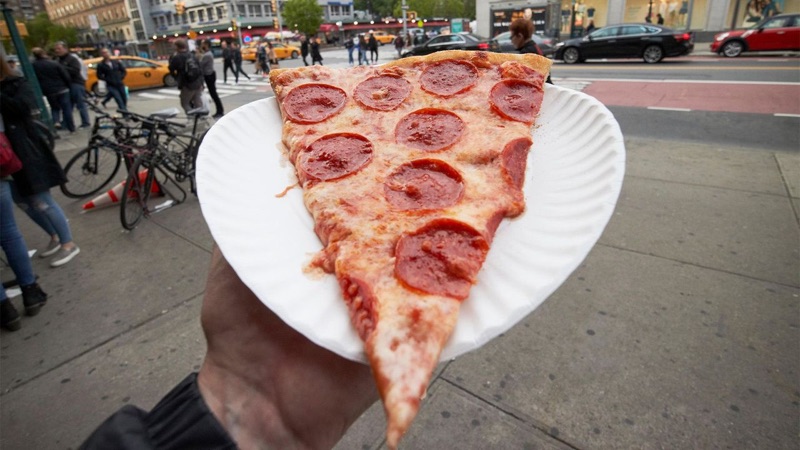
This is the closest category in the comparison — and the most fun to debate. New York has around 70 Michelin-starred restaurants and an unmatched diversity of cuisines: world-class pizza, pastrami sandwiches, dim sum in Flushing, West African in Harlem, exceptional ramen and sushi from Japanese immigrants, and a dollar-pizza culture that makes fast food feel like a birthright. Check our guides to NYC pizza, NYC ramen, NYC pastrami, and NYC bagels.
Tokyo, meanwhile, holds the record for the most Michelin-starred restaurants in the world — over 200. More astonishing: a bowl of exceptional ramen costs ¥900–1,800 ($6–12), and the 7-Eleven stores have better food than most sit-down restaurants in other countries. Tokyo cheap eats are a world-class experience in their own right. The sushi bar reality: a Tokyo omakase that rivals the best in the world might run ¥15,000 ($100) per person — the equivalent experience in NYC would be $300+.
The verdict on food cost
NYC budget meal: $3–8 (dollar pizza, bagel with cream cheese, street cart). Sit-down lunch: $15–30. Tokyo budget meal: ¥500–1,200 ($3–8, convenience store or gyudon). Sit-down dinner: ¥1,200–3,000 ($8–20). Tokyo wins on food value handily — and remember, there's no tipping culture in Japan, which alone cuts 20% off every restaurant bill.
Winner takeaway
- Winner: Tokyo
- Why: Tokyo has more Michelin stars, better value at every price point, and the most food-for-money ratio of any major city on Earth. NYC holds its own on diversity and cultural food history, but Tokyo simply does more with less.
- Who this matters for: Anyone for whom eating well is a travel priority — Tokyo is one of the world's great food pilgrimages at any budget.
💰 Cost Comparison
This is where Tokyo repeatedly surprises Western travelers: despite being one of the world's largest and most sophisticated cities, it's dramatically cheaper than New York for day-to-day life. Here's a detailed breakdown based on 2025–2026 real prices:
| Expense | 🗽 New York | 🗼 Tokyo |
|---|---|---|
| Hostel dorm | $50–80/night | ¥3,000–5,000/night ($20–35) |
| Mid-range hotel | $200–400/night | ¥12,000–27,000/night ($80–180) |
| Budget meal | $3–12 | ¥500–1,200 ($3–8) |
| Sit-down dinner | $20–50 | ¥1,500–4,000 ($10–27) |
| Transit (single ride) | $2.90 | ¥170–320 ($1.10–2.15) |
| Coffee (café) | $5–8 | ¥400–700 ($2.70–4.70) |
| Museum entry | $25–35 (MoMA, Met) | ¥500–1,600 ($3–11) |
| Daily total (mid-range) | $150–250/day | ¥15,000–22,000/day ($100–150) |
The tipping factor: New York has a strong 20% tipping culture at restaurants, bars, and taxis. In Japan, tipping is literally offensive — it implies the server didn't set a fair price. A $60 NYC dinner bill becomes $72+ with tip; the equivalent meal in Tokyo stays ¥3,000 ($20).
The one big cost advantage for NYC: flights. Getting to Tokyo from North America or Europe means a 12–16 hour flight costing $700–1,400 economy round-trip from NYC. From NYC to NYC… well, you're already there.
Winner takeaway
- Winner: Tokyo
- Why: Tokyo is roughly 35–40% cheaper than NYC for day-to-day travel costs — food, accommodation, transit, and attractions all cost meaningfully less. The flight to get there offsets some savings, but for a 10+ day trip, Tokyo usually wins on total cost.
- Who this matters for: Budget-conscious travelers and anyone stretching a vacation as far as possible will do considerably better in Tokyo.
🚇 Getting Around
Both cities have iconic subway systems, but they represent two very different philosophies. New York's subway runs 24/7 — 472 stations across 5 boroughs, a flat $2.90 fare that covers the whole system, and the ability to get anywhere at 3am if you need to. It is, functionally, the circulatory system of one of the world's great cities. Its problems are also legendary: frequent delays, aging infrastructure, maintenance-window closures on weekends, and a cleanliness level that can charitably be called "character."
Tokyo's subway is a different species. Thirteen lines (operated by multiple companies), trains arriving every 2–5 minutes, on-time performance measuring in seconds rather than minutes, and cars so clean you could eat off the floor. The catch: Tokyo's system shuts down around midnight–1am, so late-night revelers need cabs (expensive) or commit to staying out until the 5am first train — which locals famously do. Day pass options exist (¥600–900/day), and Google Maps handles routing flawlessly in English.
Practical transit tips
NYC: Get an OMNY card (tap-and-go). Unlimited 7-day pass ($34) is worth it for most tourists. Beware weekend service changes — always check the MTA app. Yellow cabs ($3 start + metered) and Uber are ubiquitous.
Tokyo: Get a Suica or Pasmo IC card immediately at the airport — works on all trains and buses and even convenience stores. Budget ¥500–1,000/day for transit. Avoid trains during rush hour (7:30–9am, 5:30–8pm) — they're brutally crowded.
Winner takeaway
- Winner: Tie
- Why: Tokyo wins on cleanliness, punctuality, and value. New York wins on 24/7 availability. For tourists, Tokyo's system is genuinely more pleasant to use day-to-day, but NYC's all-night service is a real advantage for night owls.
- Who this matters for: Night owls and spontaneous travelers will appreciate NYC's 24/7 system; everyone else will prefer Tokyo's superior reliability and comfort.
🛡️ Safety
Tokyo is one of the safest large cities on Earth — full stop. The violent crime rate is a fraction of what you'd find in comparable Western cities. Wallets left on restaurant tables get returned. Lost phones get handed to police stations. Women travel alone at night without the level of vigilance required in most major US cities. Children ride the subway unaccompanied from elementary school age. This isn't a stereotype — it's a structural cultural fact backed by crime statistics.
New York has improved dramatically since the 1990s and remains broadly safe in tourist areas. However, the standard big-city awareness applies: keep your phone in your pocket on the subway, be aware of your surroundings at night, and stick to well-lit areas after dark. Incidents do occur in midtown, on the subway, and in certain outer neighborhoods — nothing that should deter travel, but a different calculus than Tokyo requires.
Solo female travelers: Tokyo is widely considered one of the best major cities in the world for solo female travel. NYC is considered safe for solo women with standard awareness. The gap is significant enough that it's a genuine deciding factor for many solo travelers.
Winner takeaway
- Winner: Tokyo
- Why: Tokyo is in a different tier of urban safety. It's not marginally safer than NYC — it operates on a fundamentally different set of social norms around public property, personal space, and civic behavior. For solo travelers, especially women, this difference is meaningful.
- Who this matters for: Solo travelers, solo female travelers, and families with children will find Tokyo meaningfully more relaxed to navigate than NYC.
🏛️ Cultural Attractions
New York's cultural infrastructure is staggering. The Metropolitan Museum of Art alone contains over 1.5 million works. MoMA, the Guggenheim, the Whitney, the Frick — plus world-class performing arts at Lincoln Center, Carnegie Hall, and dozens of off-Broadway theaters. Broadway's 41 theaters represent the English-speaking world's highest expression of theatrical art. And that's before you count the neighborhoods themselves: the High Line, the Brooklyn Bridge, Central Park, the Statue of Liberty, and the neighborhoods of Harlem, the West Village, and Chinatown are cultural destinations in their own right.
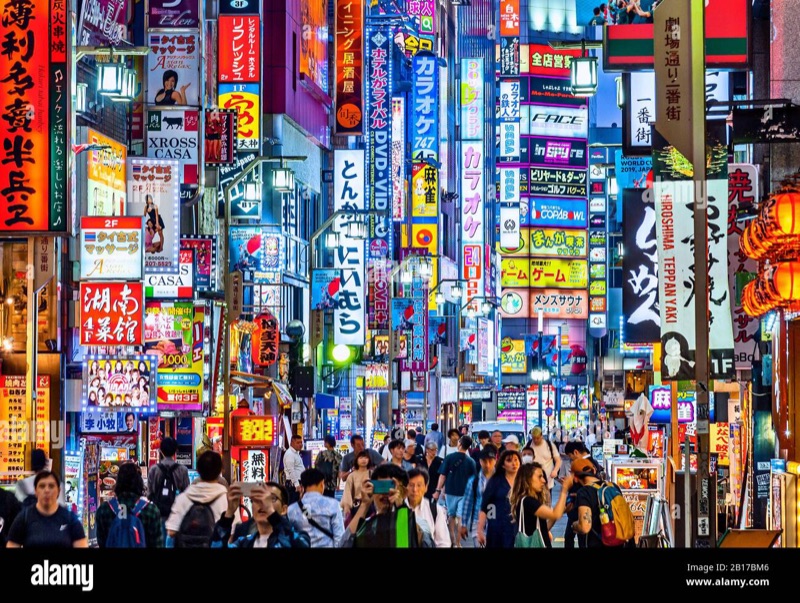
Tokyo's cultural landscape is equally vast, just entirely different. Sensoji in Asakusa — Tokyo's oldest Buddhist temple, founded in 628 CE — stands minutes from the Tokyo Skytree. Meiji Jingu is a vast forested Shinto shrine in the heart of Shibuya. The Edo-Tokyo Museum (reopening 2025) charts 400 years of the city. TeamLab's immersive digital art installations are unlike anything else on Earth. And Akihabara, Harajuku, and the manga culture throughout the city represent a distinct and globally influential contemporary culture that you simply can't understand without experiencing in person.
Internal links: Explore Tokyo vs Singapore if you're deciding between Japanese and Southeast Asian culture, or New York vs London for a Western cities comparison.
Winner takeaway
- Winner: Tie
- Why: These cities represent two of the world's most culturally rich destinations, just expressing completely different civilizations. NYC wins for classical Western arts and performing arts. Tokyo wins for its unique blend of ancient traditions and hyper-modern pop culture that exists nowhere else on Earth.
- Who this matters for: Your preference for Western vs Japanese culture will largely determine which city's offerings resonate more deeply with you.
🎉 Nightlife & Entertainment
New York's claim to nightlife supremacy rests on one word: 24/7. The city genuinely never closes. Jazz clubs run past 4am, diners serve at 6am, bars in the West Village keep pouring until the last customer leaves. The Lower East Side, Brooklyn's Williamsburg, and Chelsea each have distinct scenes — dive bars, upscale cocktail lounges, EDM venues, jazz clubs, and comedy clubs all coexist. The subway gets you home at 3am (if it's running properly).
Tokyo's nightlife is extraordinary — just different. Shinjuku's Golden Gai, a network of around 200 tiny bars crammed into narrow alleys, each holding 6–10 people, is one of the most unique drinking experiences on Earth. Shibuya and Roppongi have larger clubs. The rule: most venues close around 5–6am, and since the last subway is around 1am, you either commit to an all-nighter or budget for a ¥3,000–5,000 ($20–33) taxi home. Many Tokyoites embrace the all-nighter culture entirely, timing their exit for the 5am first train.
For entertainment beyond drinking: Tokyo has karaoke culture (individual rooms rented by the hour — a complete revelation for first-timers), game centers, themed cafés (owl cafés, cat cafés, maid cafés), and a live music scene spanning jazz to death metal. NYC has Broadway, off-Broadway, comedy clubs, live jazz in every neighborhood, and an unmatched live music venue scene. Both cities have essentially infinite options.
Winner takeaway
- Winner: New York
- Why: NYC wins purely on 24/7 availability and the freedom to be spontaneous at any hour. Tokyo's Golden Gai is a more unique experience than anything NYC has — but the infrastructure supporting late-night activity clearly favors New York.
- Who this matters for: Night owls and those who want maximum flexibility will prefer NYC. Those who want the uniqueness of Golden Gai and karaoke culture will find Tokyo more memorable.
🌸 Best Time to Visit
Both cities have four distinct seasons, with spring and fall as the consensus sweet spots for tourists. Here's a month-by-month weather comparison:
Data: Open-Meteo archive. Temperatures are daily highs/lows in Celsius. Rainfall is monthly totals.
Best seasons
Cherry blossom season in Tokyo (late March–early April) is one of the world's great travel spectacles. Ueno Park, Shinjuku Gyoen, and Yoyogi Park transform into pastel clouds of pink. Book accommodation 4–6 months ahead — prices spike 30–50% and rooms disappear. NYC has its own cherry blossom moment (Central Park and the Brooklyn Botanic Garden in April), but it's not on the same scale.
NYC in fall (October) is special — crisp air, foliage in Central Park and the boroughs, and a sense that the city is at its most alive. Tokyo's fall foliage (November) is equally spectacular, with temples ringed by maple trees turning crimson and gold.
Summers: NYC July-August is hot and humid (30°C+) with brief violent thunderstorms. Tokyo's summer is worse — sustained heat at 33°C+ with humidity that feels physical. Both cities have their escape cultures (NYC goes to the Hamptons; Tokyo heads to Nikko or the mountains). June (rainy season in Tokyo) is worth avoiding for Japan.
Winner takeaway
- Winner: Tie
- Why: April (cherry blossoms) in Tokyo and October (fall foliage + perfect temperatures) in NYC are each world-class seasonal experiences. Tokyo is slightly milder in winter and slightly worse in summer. March–May and September–November are excellent in both cities.
- Who this matters for: Cherry blossom chasers should plan Tokyo for late March to early April; fall color lovers have excellent options in both cities in October–November.
🏨 Where to Stay
New York neighborhoods
Midtown Manhattan — The tourist hub. Close to Times Square, Central Park, MoMA, and most Broadway shows. Convenient but most expensive — expect $250–500/night for mid-range hotels. Good if logistics matter most.
Lower East Side / East Village — More local feel, excellent food and bar scene, slightly cheaper than Midtown. Walking distance to SoHo, Chinatown, and many museums. A favorite among repeat visitors.
Brooklyn (Williamsburg, Park Slope) — 20–30 minutes from Manhattan by subway, significantly cheaper (boutique hotels from $150–250/night), and genuinely some of the best restaurants and cafés in the city. Increasingly preferred by travelers who've done NYC before.
Tokyo neighborhoods
Shinjuku — The most popular tourist base. Giant transit hub, Golden Gai, Kabukicho, department stores, Shinjuku Gyoen. Connects to everywhere. Mid-range hotels ¥12,000–25,000/night.
Shibuya / Harajuku — Younger, trendier energy. The Crossing is here. Excellent shopping and dining. Good transit access. Youth hostels from ¥3,000/night.
Asakusa — Traditional Tokyo atmosphere. Sensoji temple at your doorstep, Nakamise shopping street, Sumida River views. Slightly cheaper than Shibuya/Shinjuku and more historically atmospheric.
Winner takeaway
- Winner: Tokyo
- Why: Tokyo's accommodation is dramatically cheaper than NYC at comparable quality levels. A $200 hotel in NYC is a basic chain room; ¥20,000 ($130) in Tokyo gets you a well-designed business hotel in a great location. Budget travelers especially will notice the difference immediately.
- Who this matters for: Anyone paying for their own accommodation — especially solo travelers or couples on a budget — will stretch their money much further in Tokyo.
🛍️ Shopping
New York is one of the world's great shopping cities — Fifth Avenue for luxury, SoHo for fashion and boutiques, the Garment District for fabrics, and Brooklyn's flea markets and vintage stores for those who want something with history. Madison Avenue has the highest concentration of luxury retail outside Paris. Specific favorites: Housing Works (thrift), McNally Jackson (indie bookstore), Strand Bookstore (18 miles of books), and the vintage stores concentrated in the East Village and Williamsburg. Check out our NYC craft beer scene while you're at it.
Tokyo's shopping is culturally distinct — and for certain categories, unrivaled on Earth. Akihabara for anime merchandise, electronics, and gaming. Harajuku's Takeshita Street for wild streetwear. Shimokitazawa for vintage clothing at prices that make NYC thrift stores weep. Ginza for Japanese luxury brands. Shibuya 109 for youth fashion. And Japan's department stores (depāto) have basement food halls that are experiences in their own right — check our Tokyo depachika guide. The culture of craftsmanship also shows up in shopping: ceramics, textiles, stationery, and kitchen knives make for exceptional souvenirs.
Winner takeaway
- Winner: Tie
- Why: NYC wins for luxury fashion, books, and Western brands. Tokyo wins for anime/gaming merchandise, vintage clothing value, Japanese craft goods, and the overall quality of the retail experience — Japan's attention to packaging and customer service is in a class of its own. What you're shopping for determines the winner entirely.
- Who this matters for: Anime fans, vintage clothing hunters, and anyone interested in Japanese craft objects will find Tokyo superior. Luxury fashion buyers and Western brand shoppers will prefer NYC.
🎯 The Decision Framework
Choose New York If…
- You want zero language barrier — English everywhere
- 24/7 city energy and nightlife matter to you
- Broadway, world-class museums, and performing arts are priorities
- You're flying from within North America (no 14-hour flight)
- You want to feel the pulse of Western culture
- Cultural diversity in a single city is what you're after
- You want to spontaneously stay out until 4am without planning
- You already have a trip to Japan planned for another time
Choose Tokyo If…
- Maximum food quality per dollar is your top priority
- Safety — especially as a solo or female traveler — matters most
- You want your money to stretch 30–40% further than NYC
- You've never experienced Japanese culture and want your mind blown
- Cherry blossom season is on your bucket list
- Anime, gaming, or Japanese pop culture excites you
- You want the world's most punctual, clean public transit
- Shopping for unique Japanese crafts, vintage clothing, or electronics
❓ Frequently Asked Questions
Is New York or Tokyo better for first-time international travelers?
New York is easier for first-timers from English-speaking countries — no language barrier, familiar Western culture, and accessible from North America without a 14-hour flight. Tokyo is easier in a different way: it's extraordinarily safe, clean, and well-organized, but requires navigating a language barrier and a completely different cultural context. Reddit consensus: Tokyo is more rewarding but requires more preparation; NYC is more immediately accessible.
Which city is cheaper to visit, New York or Tokyo?
Tokyo is substantially cheaper — roughly 35–40% less expensive per day for food, accommodation, and transit. A mid-range Tokyo day costs around $100–150 vs $150–250 in NYC. The catch: flights from North America or Europe to Tokyo add $700–1,400 to the trip cost. For a 10-day stay, Tokyo usually wins on total cost despite the flight premium.
Is Tokyo safe for solo travelers, especially women?
Tokyo is consistently ranked among the world's safest megacities. Violent crime is extraordinarily rare, lost items get turned in to police stations, and solo female travelers report feeling far more comfortable walking alone at night than in virtually any comparable Western city. New York is broadly safe in tourist areas but requires standard big-city awareness that Tokyo simply doesn't.
How long does the flight from New York to Tokyo take?
About 13–14 hours nonstop from JFK or Newark (JAL, ANA, Delta, United all offer nonstop service). Round-trip economy fares typically range from $700–1,400, with business class running $2,500–5,000. The time zone difference is 13–14 hours depending on daylight saving, which means jet lag is a real factor — budget your first day in Tokyo for acclimatization.
Which city has better food — New York or Tokyo?
Both cities make a legitimate claim. Tokyo has more Michelin-starred restaurants than any city on Earth (200+) and extraordinary food value at every price point — a world-class ramen bowl costs $6–12. NYC has around 70 Michelin stars and unbeatable cultural food diversity (Italian, Korean, Jewish deli, etc.). Reddit travelers who've done both cities consistently rate Tokyo higher on food quality per dollar, though NYC's diversity is unmatched.
Should I visit New York or Tokyo first?
If you've never done a major international trip, New York is a gentler introduction — no language barrier, familiar infrastructure, and closer for most Western travelers. Tokyo is worth saving for when you're ready for a full cultural immersion. That said, Tokyo's safety and efficiency make it very accessible even for first-time international solo travelers. Many experienced travelers say Tokyo ruined them for other cities — in the best possible way.
Can you visit both New York and Tokyo in one trip?
Technically yes, but it's a lot of flying — 14 hours each way. Most people visit them on separate trips. If you're based in Asia and already going to Tokyo, adding NYC to the itinerary only makes sense if you're doing a trans-Pacific trip. Conversely, for US-based travelers, Tokyo is often the anchor destination for a Japan trip, not a stopover alongside NYC.
What's the best time of year to visit Tokyo vs New York?
Tokyo: late March–early April (cherry blossoms) and November (fall foliage and perfect temperatures) are peak seasons — book 4–6 months ahead. NYC: April–May and September–October offer the best weather. Both cities should be avoided in July–August if possible — NYC's summer is hot and humid; Tokyo's is aggressively more so. Winter in both cities can be beautiful but cold (though Tokyo's winters are milder than NYC's).
Ready to plan your trip?
Get a free custom itinerary for New York City or Tokyo — built from real traveler insights, not generic templates.
🎟️ Book Tours & Experiences
Hand-picked tours and activities for both destinations — book with free cancellation
Experiences via Viator — free cancellation on most tours