📋 Our Methodology
This comparison is built from real sources, not AI guesswork:
- 15+ Reddit threads from r/travel, r/solotravel, r/Tokyo, r/london, r/expats, r/JapanTravel synthesized
- Cost data from Numbeo (March 2026), cross-checked with recent Reddit trip reports
- Weather from Open-Meteo historical averages
- Transit data from TfL and Tokyo Metro official sources
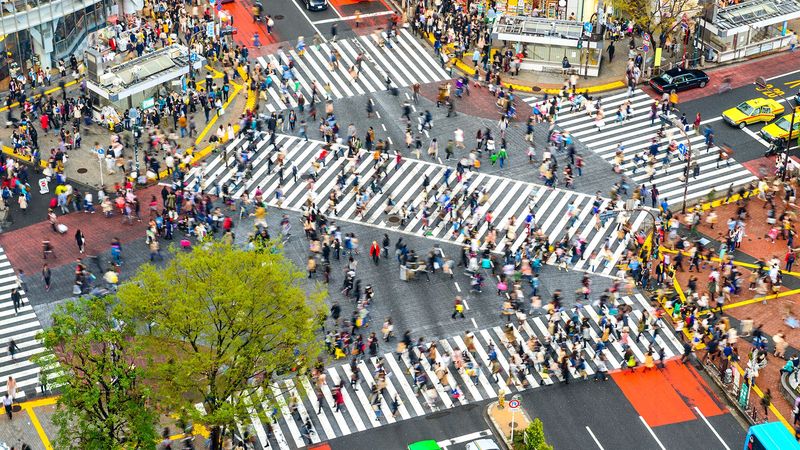
Tokyo — Shibuya Crossing
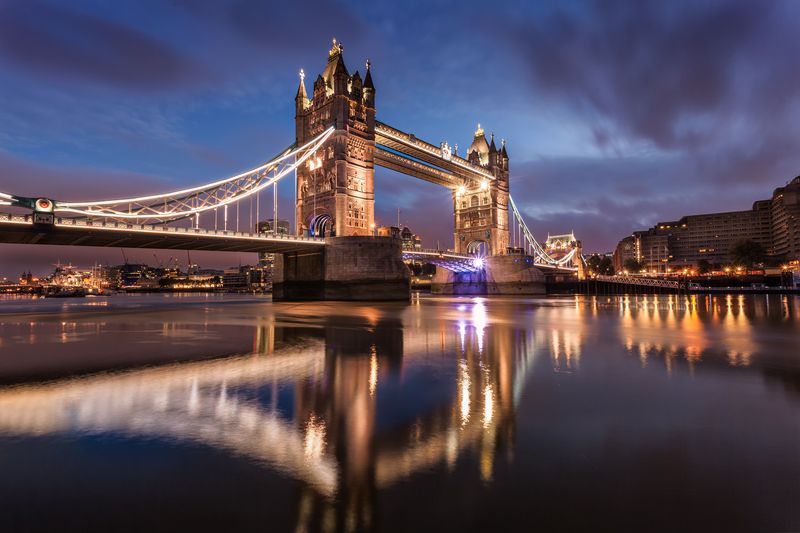
London — Tower Bridge
⚡ The TL;DR Verdict
Tokyo wins for food, safety, value, and pure culture shock. London wins for ease, English, and European access. Budget: Tokyo ¥8,000–15,000/day (~$55–100 USD), London £100–160/day (~$125–200 USD).
- Go to Tokyo if you want the world's best food city, one of the safest mega-cities on Earth, mind-bending culture, and extraordinary value thanks to the weak yen — especially if you can do 7–10 days.
- Go to London if you want zero language barrier, instant accessibility, world-class museums (most free!), and a base for exploring the rest of Europe on short trips.
- Go to both if you're on a longer trip — they are each other's perfect antidote, and many travelers rate them in their top 2–3 cities globally for good reason.
🗼 Choose Tokyo if...
You want the world's best food city, extraordinary safety, genuine culture shock, and exceptional value thanks to the weak yen — ideally for 7–10 days.
🎡 Choose London if...
You want zero language barrier, free world-class museums, a 4–5 day efficient city break, and a base for exploring the rest of Europe.
Quick Comparison
| Category | 🗼 Tokyo | 🎡 London | Winner |
|---|---|---|---|
| Daily Budget (mid-range) | ¥8,000–15,000 (~$55–100) | £100–160 (~$125–200) | Tokyo |
| Food Scene | World #1 — most Michelin stars globally | Excellent, diverse, multicultural | Tokyo |
| Safety | Exceptionally safe — crime near zero | Generally safe; petty crime exists | Tokyo |
| Language Barrier | High — Japanese, but very navigable | None — English native | London |
| Transit System | World-class — 13 metro lines, punctual to seconds | Excellent Tube, but aging and pricier | Tokyo |
| Free Museums | Few free — most charge ¥500–2,000 | Major museums FREE (British Museum, V&A, National Gallery) | London |
| Culture Shock Factor | High — fascinating, transformative | Low — familiar for Western travelers | Depends |
| Nightlife | Izakayas, karaoke, no last-train curfew issue | Pubs, live music, clubs, 24h Tube (Fri/Sat) | Tie |
| Weather | 4 distinct seasons; cherry blossom & foliage | Mild but grey and wet year-round | Tokyo |
| Ideal Stay | 7–10 days minimum | 4–5 days for highlights | London |
| Day Trips | Kyoto, Nikko, Hakone, Kamakura | Bath, Oxford, Stonehenge, Cotswolds | Tie |
| Airport Access | Excellent — Narita Express, Skyliner | Good — Heathrow Express, Gatwick Express | Tie |
🏙️ City Character & Vibe
Tokyo is a city of organized chaos at a scale that defies comprehension. A metropolitan area of 37–40 million people, yet somehow quieter, cleaner, and more orderly than any Western capital half its size. Every neighborhood is a distinct world: Shinjuku is blazing neon and skyscraper density; Yanaka is Edo-period wooden temples and cats sleeping on stone walls; Akihabara is anime and electronics overload; Shibuya is the famous scramble crossing and youth fashion. You could spend weeks and only scratch the surface. The city hums with precision — trains arrive within 30 seconds of schedule, convenience stores (konbini) are open 24/7 and sell genuinely good food, and the streets are immaculate despite millions of people and zero public litter bins.
London is a world city of 9 million with a completely different energy: grand, historically layered, and built over 2,000 years of continuous occupation. Roman walls sit next to Victorian pubs sit next to Norman-Foster glass towers. It's more chaotic than Tokyo in street-level feel but immensely navigable for English speakers. The city's defining character is its multicultural density — over 300 languages spoken, the best curry houses outside South Asia, Jamaican patties alongside Nigerian pepper soup alongside Vietnamese bánh mì, all within a short walk in south London. London rewards living in different neighborhoods; it's a city of villages.
"London is a great place to visit, but Tokyo is a completely different league in terms of culture shock — in the best possible way. I've been to both multiple times and Tokyo always leaves me stunned. It's like nothing else on earth." — r/travel
"Best cleanest most efficient public transport system in the world, amazing cuisine thousands of restaurants cafes everywhere with photographic menus, insane architecture — both super-modern and ancient. NOBODY going to cold-approach or pester you." — r/solotravel
🍜 Food & Dining
Tokyo is, by most measures, the greatest food city in the world. It holds more Michelin stars than any other city on Earth — over 200 across more than 160 restaurants — and that standard cascades down to every price level. A bowl of tsukemen or Tokyo street food ramen for ¥800–1,200 ($5–8) will be better than most high-end ramen outside Japan. The city's sushi ranges from ¥100/plate conveyor belt to ¥50,000 omakase — and both are extraordinary for their price point. Depachika (department store basement food halls) are an attraction in themselves. Morning markets at Tsukiji Outer Market for uni on rice at 6am. Standing soba bars for ¥350 lunches. Every cuisine on Earth done well in a city that takes food with existential seriousness.
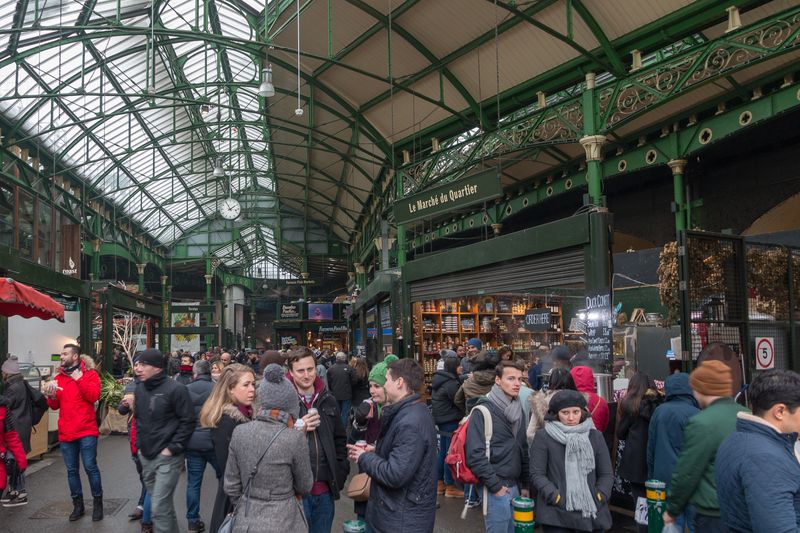
London's food scene is excellent and underrated. The city's multicultural population delivers genuinely world-class South Asian food (Dishoom for Bombay-style, Brick Lane for British-Bangladeshi), West African (pounded yam and egusi in Peckham), Vietnamese (Shoreditch, Hackney), and Middle Eastern (Edgware Road). The highest-end restaurants (Alain Ducasse, The Ledbury, Ikoyi) rank among Europe's best. But London's mid-range dining is expensive — a casual sit-down dinner runs £18–32/person before drinks. Borough Market is a highlight: 13th-century food market with outstanding charcuterie, cheese, bread, and street food at £7–14 a dish.
"Japan literally has the best food in the entire world. Also, never been a better time with the dollar vs yen. Super safe and they make it doable to travel without knowing Japanese." — r/travel
"Tokyo, it's not even close for me. If you want to experience the variety of the human experience, Tokyo is more eye opening than London when compared to LA — and the food is a huge part of that." — r/travel
💰 Cost Comparison
| Expense | 🗼 Tokyo | 🎡 London |
|---|---|---|
| Hostel dorm (per night) | ¥2,500–4,500 (~$17–30) | £30–55 (~$38–70) |
| Budget hotel (per night) | ¥6,000–10,000 (~$40–67) | £90–180 (~$112–225) |
| Ramen / street food lunch | ¥800–1,500 (~$5–10) | £10–18 (~$12–22) |
| Mid-range dinner (per person) | ¥2,000–4,000 (~$13–27) | £20–35 (~$25–44) |
| Beer at a bar | ¥500–800 (~$3–5) | £6–8 (~$7.50–10) |
| Subway single ride | ¥170–250 (~$1.10–1.65) | £2.80–4 (~$3.50–5) |
| Museum entry (major) | ¥500–2,000 (~$3–13) | FREE (most major museums) |
| Day pass (transit) | ¥600–800 Tokyo Metro (~$4–5.50) | £15–20 Travelcard (~$19–25) |
| Budget daily total | ¥8,000–15,000 (~$55–100) | £100–160 (~$125–200) |
Tokyo is dramatically cheaper than London in 2026. The yen has remained weak against the dollar and pound — as of March 2026, $1 USD buys approximately ¥148–152, meaning American and British travelers effectively get a 25–35% discount compared to pre-2022 exchange rates. Accommodation is where the gap is most pronounced: a clean, well-located business hotel in Tokyo (think Shinjuku or Shibuya) runs ¥6,000–10,000 ($40–67) per night — the equivalent London hotel would cost £110–200. London's saving grace on costs is its genuinely excellent free museums — the British Museum, Natural History Museum, V&A, National Gallery, Tate Modern, and Science Museum are all free, saving a budget traveler significant daily spend.
"Your budget is quite big and imo goes further in Tokyo in terms of daily expenditure and other cool stuff (clothing and souvenirs). The food scene alone justifies the trip. Go to Tokyo." — r/travel — London local who visited Tokyo
🚇 Getting Around
Tokyo's transit system is legendary. The Tokyo Metro and Toei Subway operate 13 lines across the urban core; add JR lines and private railways and you have one of the densest, most reliable rail networks on earth. Trains run every 2–5 minutes at peak times, arrive within 30 seconds of the posted schedule, and the system has an on-time rate above 99.5%. A single ride costs ¥170–250 ($1.10–1.65); day passes on Tokyo Metro run ¥600–800 ($4–5.50). The IC card system (Suica or Pasmo) means you just tap in/tap out — no tickets needed. Most tourists pick this up in 5 minutes and never look back. The main challenge for first-timers is route complexity — Tokyo has more than 130 metro/rail stations, and some interchanges require 10-minute walks through underground corridors. Google Maps handles everything effortlessly.
London's Tube is iconic but aging. The 11 Tube lines plus Overground and Elizabeth line give solid coverage of the city. Key limitation: the Tube doesn't run 24/7 (except Friday and Saturday nights on selected lines), which constrains late-night options on weekdays. Single fares with Oyster card run £2.80–4 depending on zones; daily capping (£8.10 Zone 1–2) controls spending. London is also highly walkable in the central areas — many of the main sights (South Bank, Westminster to the City, Covent Garden to Soho) are easily walkable in 20–30 minutes. Black cabs are £3.80 flagfall; Uber is cheaper but surge pricing applies.
🏛️ Museums & History
London has one of the world's greatest free museum ecosystems. The British Museum (free) holds the Rosetta Stone, Elgin Marbles, Egyptian mummies, and artifacts from nearly every civilization on earth under one spectacular roof — plan 3–4 hours minimum. The Victoria & Albert Museum (free) is the world's greatest decorative arts collection. The Natural History Museum (free) with its diplodocus skeleton and whale hall is extraordinary. The National Gallery (free) houses Van Gogh's Sunflowers, Monet's Water Lilies, and da Vinci's Virgin of the Rocks. The Tate Modern (free, some exhibitions paid) is the world's most-visited modern art gallery. This is an astonishing concentration of free world-class culture — a 7-day museum pass in Tokyo would cost several times what London's equivalent costs (¥0, because it's all free in London).
Tokyo's museums are more specialist but some are extraordinary. The Tokyo National Museum in Ueno (¥1,000, ~$7) is Japan's largest, with 110,000+ cultural artifacts spanning samurai armor to Edo-period paintings. The teamLab immersive digital art installations (¥2,200–3,200) are genuinely unlike anything elsewhere in the world — digital art meets ancient Japanese aesthetics in a way that photographs can't capture. The Edo-Tokyo Museum (temporarily closed for renovation through 2025) is the gold standard for understanding how the city evolved from fishing village to mega-city. The Mori Art Museum (¥1,500–2,000) offers contemporary art with one of the best views of the Tokyo skyline from the 52nd floor.
"London has one thing going for it that Tokyo doesn't: the best museums in the world that are FREE. The British Museum alone is worth a trip. But Tokyo's teamLab is unlike anything I've ever seen." — r/solotravel — visited both
🏘️ Where to Stay — Neighborhoods
Tokyo
Shinjuku — the urban core: neon, skyscrapers, the best transit hub, proximity to Golden Gai and Omoide Yokocho; excellent for first-timers who want maximum buzz. Shibuya — youth culture, the famous crossing, fantastic food and shopping; loud and energetic. Asakusa — Tokyo's most traditional neighborhood with Senso-ji temple, rickshaws, and Edo-era street atmosphere; cheaper accommodation. Roppongi — international, expat-heavy, great museums (Mori, 21_21 Design Sight), good for nightlife but feels less authentically Japanese. Yanaka — old Tokyo with temples, cats, and preserved Showa-era shotengai (shopping streets); excellent for a more atmospheric, quieter stay.
London
Shoreditch / Spitalfields (East London) — the most interesting neighborhood for younger travelers; street art, vintage markets, best cocktail bars, Brick Lane curry houses. South Bank / Bankside — Borough Market, Tate Modern, The Globe; walkable to everything, excellent for first-timers. Notting Hill / Bayswater — picturesque, near Hyde Park and Portobello Market; more residential, good mid-range accommodation. Covent Garden / Soho — central, touristy, but excellent for theatre, entertainment, and food diversity. Peckham / Brixton (South London) — the most vibrant multicultural neighborhoods; excellent food, live music, local atmosphere — but further from the main tourist sites.
"I'm from London and just spent a month in Tokyo. If you want neighborhood character, both cities reward exploration beyond the obvious. But Tokyo has a neighborhood for every mood — more of them, more distinct, more surprising." — r/travel — London native visiting Tokyo
🎌 Nightlife & Entertainment
Tokyo's nightlife is structured around izakayas (Japanese gastropubs) and karaoke — a fundamentally different culture from Western bar-hopping. An izakaya evening means sitting with friends, ordering small plates (yakitori, edamame, karaage), and slowly consuming large Sapporo drafts for ¥400–600 each. The experience is deeply social, affordable (¥2,000–4,000 per person for a solid evening), and distinctly Japanese. Shinjuku's Golden Gai — a labyrinth of 200+ tiny bars each seating 8–10 people, each with a different theme — is one of the world's great bar experiences. The challenge: many Golden Gai bars charge a ¥500–1,000 cover to keep tourists manageable; some are members-only. Tokyo clubs in Shibuya and Roppongi run until sunrise, with no formal closing time.
London's nightlife is more immediately accessible for English speakers. The pub culture is genuinely great — no city does a Sunday afternoon in a centuries-old pub quite like London, and the range from Victorian gin palaces to modern craft beer spots is vast. Live music is a genuine strength: the O2, Alexandra Palace, and dozens of smaller venues host world-class acts year-round. Clubs — Fabric (house/techno), XOYO (electronic/hip-hop), Jazz Café (jazz/soul/R&B) — are excellent if not quite Berlin-level. Friday and Saturday nights the Tube runs 24 hours, which unlocks the city properly for late nights.
"Now, if by nightlife you mean drugs, then Japan is not for you — they are VERY strict. London is much better for that. But for late-night ramen, karaoke until 5am, and izakaya culture, Tokyo is extraordinary." — r/travel
🌸 Best Time to Visit
Tokyo's sweet spots are late March to early May (cherry blossom season — arguably the most beautiful city on Earth during sakura) and October to November (koyo — brilliant red and gold autumn foliage). The one period to avoid: July and August are brutally hot and humid (35°C+, 80%+ humidity) and coincide with typhoon season. London's best period is May to September — warmest, longest days, Wimbledon, outdoor festivals, and the city's parks at their most beautiful. London in winter (November–February) is liveable but grey and wet; worth it for the Christmas markets and reduced hotel prices, but not for people who need sunshine.
🛡️ Safety
Tokyo is one of the safest mega-cities on Earth, full stop. The statistics are remarkable: Tokyo's violent crime rate is a fraction of London's or New York's. Petty theft is near-zero — Reddit users regularly report leaving cameras, phones, or wallets unattended and finding them exactly where they left them, sometimes with a note from a passer-by who found them. Women consistently rate Tokyo as one of the most comfortable cities to travel solo at night. The main safety caveat is earthquake preparedness — Tokyo sits in a seismically active zone, and knowing emergency procedures is sensible (your hotel will have guidance). Japan's drug laws are extremely strict — zero tolerance for substances that are legal elsewhere, and customs checks are thorough.
London is generally safe by global standards, but the comparison with Tokyo reveals a gap. Phone theft on the Tube is a real issue — Transport for London reports thousands of phone thefts annually, predominantly through "snatch" theft or distraction. Pickpocketing in tourist areas (Westminster, Oxford Street) requires standard city awareness. Some neighborhoods (parts of Brixton, Peckham at night, certain east London estates) require more care late at night, though most tourist areas are genuinely safe. Knife crime, while concentrated in specific areas and demographics, features in London news regularly — not a concern for most visitors but it contributes to a different ambient feeling compared to Tokyo.
"Safety — Tokyo. You don't have to worry about your phone being snatched in Tokyo, walking at night is safe generally, which can't be said for London the same way." — r/expats — lived in both cities
"Japan is one of the safest countries in the world. I have plenty of female friends who walk alone at night all the time and have never had anything even remotely scary happen." — r/solotravel
🚄 Day Trips
Tokyo's day trip options are outstanding. The Shinkansen and local rail network make much of Japan reachable in a day: Nikko (2h by Tobu or JR) for stunning Edo-period shrine complexes and mountain scenery; Kamakura (1h from Shinjuku) for the Great Buddha and bamboo temple groves, explored on a half-day; Hakone (1.5h) for Mount Fuji views, onsen hot springs, and the Hakone Open Air Museum — one of the world's best sculpture parks; Kyoto (2.5h by Shinkansen) is a full-day or overnight trip from Tokyo and is, by most measures, Japan's most culturally rich city — temples, geisha districts, bamboo groves, and Fushimi Inari at dawn. See our Tokyo vs Kyoto comparison for the full breakdown.
London's day trips are excellent and efficiently served by rail: Bath (1.5h from Paddington) for Roman baths, Georgian architecture, and the Royal Crescent; Oxford (1h from Paddington) for university colleges, Christ Church, and Bodleian Library; Stonehenge + Salisbury (1.5–2h) for Britain's most iconic ancient monument; Brighton (55min from Victoria) for the seaside, the Lanes, and the Royal Pavilion; the Cotswolds (90min, requires car or tour) for picture-perfect English village landscapes. Europe is also a short hop: Paris by Eurostar (2.5h), Amsterdam by Eurostar (3.5h), Brussels (2h).
🔀 The Decision Framework
After synthesizing dozens of Reddit threads and real traveler accounts, here's who each city is right for:
🗼 Choose Tokyo if...
- Food is a primary travel motivation — Tokyo is the world's greatest food city
- You want genuine culture shock and an experience radically different from home
- Safety matters — solo travelers, women, and families all rate Tokyo exceptionally
- Budget is a consideration — Tokyo is 40–50% cheaper than London in 2026
- You can do 7–10 days — the city rewards time investment
- Cherry blossom (March–April) or autumn foliage (October–November) season aligns with your trip
- You want the day trip that combines Kyoto — one of the world's great cultural cities within 2.5h
- You want neighborhoods that are each a completely different city
- You enjoy a city that's clean, orderly, and functionally outstanding
🎡 Choose London if...
- No language barrier matters — English is the native language
- Free world-class museums are important — British Museum, V&A, Tate, Natural Gallery are all free
- You have 4–5 days and want to cover highlights efficiently
- Live music and pub culture are part of your ideal trip
- You want to use it as a base for wider Europe (Paris, Amsterdam, Brussels by train)
- This is your first international trip and you want maximum ease and familiarity
- You're a theater lover — London's West End rivals Broadway
- You want to experience genuine multicultural urban density — 300 languages, every cuisine
❓ Frequently Asked Questions
Is Tokyo or London better for first-time travelers?
London is easier for first-timers — English is the native language, the Tube is intuitive, and Western cultural norms reduce the learning curve. Tokyo rewards a little more preparation but delivers a far more mind-expanding experience. Reddit consensus leans toward Tokyo if you have any comfort with navigating foreign cities, especially given the current yen exchange rate making Japan 25–35% cheaper than a few years ago. If you're very new to international travel and want maximum ease, London first. If you want maximum impact, Tokyo.
Which is cheaper, Tokyo or London?
Tokyo is significantly cheaper than London in 2026. A mid-range daily budget in Tokyo runs ¥8,000–15,000 (~$55–100 USD) including accommodation, food, and transit. London runs £100–160/day ($125–200 USD) for equivalent comfort. The yen has remained weak against the dollar and pound — subway rides for ¥170–250 ($1.10–1.65), a ramen lunch for ¥800–1,200 ($5–8), and budget hotel rooms from ¥6,000–9,000 ($40–60) make Tokyo extraordinary value. London's saving grace: major museums are free.
Which city has better food, Tokyo or London?
Tokyo — it's not particularly close. Tokyo has more Michelin-starred restaurants than any city on Earth (over 200 stars across 160+ restaurants) and that excellence extends to every price level. A ¥800 convenience store onigiri is better than most gas station food anywhere. London has an excellent and diverse food scene, but Tokyo's combination of depth, quality, value, and sheer variety is unmatched globally. Reddit travelers who've visited both consistently rank Tokyo as one of the top 2–3 food cities in the world.
Which city is safer, Tokyo or London?
Tokyo is one of the safest major cities in the world. Petty crime rates are extraordinarily low — you can leave your wallet on a café table and it'll be there when you return. Phone snatching, pickpocketing, and street harassment are vanishingly rare. London is generally safe by global standards but has higher rates of petty crime, phone theft (especially on the Tube), and some areas require standard city awareness at night. Multiple Reddit users who've lived in both cities specifically cite Tokyo's safety as a transformative quality-of-life factor.
How long do you need in Tokyo vs London?
Tokyo rewards 7–10 days minimum to scratch the surface — it's a mega-city of 14+ million people with dozens of distinct neighborhoods each worth half a day. London can be done in 4–5 days for the highlights (Big Ben, Tower Bridge, British Museum, Borough Market, Hyde Park). However, both cities are infinite — the practical answer for a first trip: 5 days London, 7–10 days Tokyo.
Is Tokyo worth visiting even without knowing Japanese?
Absolutely. Tokyo is one of the most tourist-friendly cities in the world despite the language barrier. Train stations have English signage, menus often have photos or English translations, Google Translate's camera function handles most situations, and Japanese people are consistently described by Reddit travelers as among the most helpful in the world — even with limited shared language. Getting a Suica IC card removes any transit confusion, and Google Maps works perfectly for navigation.
Which city is better for nightlife, Tokyo or London?
They serve different preferences. London has more variety and a stronger pub and live music culture — from Shoreditch cocktail bars to Camden live venues to Fabric for electronic music. Tokyo's nightlife centers on izakayas, karaoke, and the unique Golden Gai bar district in Shinjuku — 200+ tiny bars, each seating 8–10 people. Tokyo clubs run until dawn; London's typically close by 4–6am on Friday/Saturday. London wins for rock, jazz, and pub culture. Tokyo wins for unique late-night izakaya culture and one-of-a-kind bar experiences.
What's the best time of year to visit Tokyo and London?
Tokyo: late March to early May (cherry blossom season, 15–22°C) and October to November (autumn foliage, cooler and comfortable). Avoid July–August — brutally hot and humid at 30–35°C. London: May to September (warmest, longest days, festivals), with June–August being peak summer. London in spring (April–May) is excellent — mild and less crowded than summer. Avoid January–February in both if you need sunshine.
Ready to plan your next adventure?
Get a free custom itinerary for Tokyo, London, or both — built from real traveler insights, not generic templates.
🎟️ Book Tours & Experiences
Hand-picked tours and activities for both destinations — book with free cancellation
Experiences via Viator — free cancellation on most tours