
How we built this comparison
This page combines traveler discussion patterns, published price ranges, flight schedules, and seasonal data to help you decide between Ubud and Canggu.
- Reviewed Reddit threads from r/travel, r/solotravel, r/Bali and r/digitalnomad
- Verified costs and logistics against current booking platforms and local service providers in May 2024
- Cross-referenced seasonal patterns and weather data for optimal travel timing

⚡ Quick Answers
📊 Visual Scorecard
⚡ The TL;DR Verdict
For most travelers seeking a mix of culture, nature, and a calmer pace, Ubud offers a richer, more affordable experience. Canggu serves a specific crowd looking for beach days, social nightlife, and trendy eats. A combined trip is ideal for those staying over 7-10 days, allowing you to experience both facets of Bali for around $50-90 per day.
- Choose Ubud: You prioritize cultural immersion, spiritual practices, art, rice field walks, waterfalls, and a slower, more reflective travel pace with budget-friendly options.
- Choose Canggu: You want beach access for surfing or lounging, a strong cafe and restaurant scene, an active social life, fitness activities, and a modern, expatriate-heavy atmosphere.
- Choose Both: Allocate 3-4 days in Ubud for culture and nature, then 3-4 days in Canggu for beaches and social activities, easily connected by a 1-1.5 hour taxi ride.
Quick Comparison
| Category | Ubud | Canggu | Winner |
|---|---|---|---|
| Costs & Budget | Generally more affordable for food, accommodation, and activities, especially local options. Daily budget $30-70. | Higher prices for food and trendy cafes, accommodation can be more expensive. Daily budget $45-100. | Ubud |
| Food Scene | Traditional Balinese cuisine, Indonesian dishes, health-focused cafes, and vegetarian options. Less international variety. | Extensive international food, trendy cafes, health food, vegan options, fine dining, and beach club restaurants. Dominant Western influence. | Canggu |
| Nightlife & Social Scene | Quiet evenings, live music at local bars, early closing times. Focus on relaxed gatherings. | Active nightlife with beach clubs, bars, DJ sets, and later closing times. Strong social atmosphere. | Canggu |
| Culture & Spirituality | The heart of Balinese culture: temples, ceremonies, traditional dance, art galleries, spiritual retreats, and yoga. | Limited traditional culture. More Western surf and cafe culture. Some small temples but less integrated into daily life. | Ubud |
| Beaches & Surfing | No beaches. Centered inland with rice paddies, rivers, and waterfalls. | Black sand beaches with consistent surf breaks for all skill levels. Popular for sunbathing and water sports. | Canggu |
| Accommodation | Guesthouses, villas with rice field views, boutique hotels, yoga retreats. Peaceful settings. | Surf hostels, trendy guesthouses, private villas, boutique hotels. Often modern and social. | Tie |
| Getting Around | Scooter is primary, Gojek/Grab for longer distances, walking in town. Less traffic. | Scooter is essential due to spread-out nature. Gojek/Grab available but often face local taxi restrictions. Heavier traffic. | Ubud |
| Nature & Activities | Rice field trekking, monkey forest, waterfalls, rafting, volcano sunrise treks, yoga, cooking classes. | Surfing, beach lounging, fitness classes (yoga, Pilates, cross-fit), horseback riding on the beach, skate parks. | Ubud |
| Shopping | Traditional art market, local crafts, wood carvings, paintings, textiles, spiritual items. | Boutique fashion stores, surfwear, homewares, modern jewelry, expatriate-focused goods. | Ubud |
| Digital Nomad Scene | Relaxed atmosphere, focus on wellness and deeper work. Coworking spaces exist but less prominent. | Strong, social community, numerous cafes with good WiFi, dedicated coworking spaces, networking events. | Canggu |
💸 Costs & Budget
Ubud allows for a significantly lower daily spend if you eat at local warungs and stay in guesthouses. A good meal at a local eatery like Warung Babi Guling Ibu Oka costs around…
Ubud allows for a significantly lower daily spend if you eat at local warungs and stay in guesthouses. A good meal at a local eatery like Warung Babi Guling Ibu Oka costs around IDR 50,000-80,000 ($3.50-5.50). Scooter rental is about IDR 60,000-80,000 ($4-5.50) per day. Yoga classes are typically IDR 120,000-150,000 ($8-10). Accommodation in a comfortable guesthouse starts from IDR 250,000 ($17) per night, while a private villa with a pool can be found for IDR 500,000-800,000 ($35-55). Access to sites like Goa Gajah or Tirta Empul is around IDR 50,000-60,000 ($3.50-4).
Canggu presents a higher cost structure due to its popularity with expatriates and digital nomads. A meal at a popular cafe like Milk & Madu or Shady Shack will easily be IDR 80,000-150,000 ($5.50-10). Beach clubs often have minimum spends upwards of IDR 300,000 ($20) per person. Scooter rental is similar to Ubud, around IDR 70,000-100,000 ($5-7) daily, but Grab/Gojek prices for short trips can add up. Accommodation in a decent guesthouse or surf hostel begins around IDR 350,000 ($24) and trendy villas are often IDR 1,000,000 ($70) or more per night. Surfboard rental is around IDR 50,000 ($3.50) per hour. Ubud wins for overall budget efficiency without sacrificing comfort or access to experiences.
- Winner: Ubud
- Why: Ubud provides more value for money across accommodation, food, and activities, making it easier to stick to a modest budget.
- Who this matters for: Budget travelers, long-term backpackers, and those seeking a less commercialized experience.
🍽️ Food Scene
Ubud offers a solid food scene centered on local Balinese food and health-conscious options. Warungs like Sari Organic or Warung Pondok Madu serve authentic meals for IDR…
Ubud offers a solid food scene centered on local Balinese food and health-conscious options. Warungs like Sari Organic or Warung Pondok Madu serve authentic meals for IDR 30,000-70,000 ($2-5). There are numerous raw food and vegan cafes such as Alchemy or Moksa Plant-based Cuisine, with dishes costing IDR 70,000-120,000 ($5-8). Cooking classes, like those at Paon Bali Cooking Class, are popular and provide a deeper dive into local ingredients for around IDR 400,000 ($27). While good, the range is less diverse than Canggu.
Canggu excels with a vast array of international eateries, catering to every palate. You can find high-quality Italian at La Baracca, modern Australian at Mason, or plant-based meals at Kynd Community, with main dishes typically ranging from IDR 90,000-200,000 ($6-14). The cafe culture here is strong, with places like Crate Cafe or Penny Lane offering breakfast and brunch plates for IDR 70,000-130,000 ($5-9). The sheer volume of choice and contemporary culinary trends make Canggu a food destination in itself. Canggu is the undisputed champion for food diversity and quality, especially if you prefer modern Western cuisine and health trends.
- Winner: Canggu
- Why: Canggu offers a significantly broader and more current international food selection, from casual cafes to high-end dining, catering to diverse tastes.
- Who this matters for: Foodies, health-conscious eaters, those seeking variety beyond local cuisine, and anyone who enjoys cafe hopping.
🍹 Nightlife & Social Scene
Ubud's nightlife is subdued. Evenings generally involve dinner, a few drinks at a low-key bar, or attending a traditional dance performance. Places like Laughing Buddha Bar…
Ubud's nightlife is subdued. Evenings generally involve dinner, a few drinks at a low-key bar, or attending a traditional dance performance. Places like Laughing Buddha Bar sometimes have live music, but closing times are typically around 11 PM or midnight. The social scene revolves more around yoga studios, workshops, and daytime cafe meet-ups. Its pace is better suited for early risers and those seeking tranquility after dark.
Canggu is the clear choice for social activity and nightlife. Beach clubs like Finns Beach Club or Atlas Beach Fest offer day-to-night entertainment with pools, DJs, and cocktails for IDR 100,000-250,000 ($7-17) per drink. Bars like The Lawn or Old Mans are popular spots for sunset drinks and continue into the late hours, often with live music or DJ sets. There are also numerous smaller bars and pubs that stay open past midnight, facilitating easy social interactions among travelers and expatriates. Canggu provides a much more active and diverse evening entertainment and social scene.
- Winner: Canggu
- Why: Canggu has a far more developed and energetic nightlife, featuring numerous beach clubs, bars, and late-night venues for socializing.
- Who this matters for: Party-goers, solo travelers looking to meet people, young adults, and those who enjoy lively evenings.
🕉️ Culture & Spirituality
Ubud is unequivocally Bali's cultural and spiritual center. Temples like Tirta Empul, known for its holy spring water ritual, or Goa Gajah (Elephant Cave) are easily accessible.…
Ubud is unequivocally Bali's cultural and spiritual center. Temples like Tirta Empul, known for its holy spring water ritual, or Goa Gajah (Elephant Cave) are easily accessible. Daily religious ceremonies are common, and traditional dance performances (e.g., at Ubud Palace) are readily available for around IDR 100,000 ($7). The town is dotted with art galleries, museums like Agung Rai Museum of Art (ARMA), and offers numerous workshops in batik, silver making, or cooking. Yoga and meditation retreats, such as those at The Yoga Barn, are abundant and integral to the town's identity. Its proximity to rice paddies and water temples reinforces its connection to nature and traditional Balinese life.
Canggu's cultural offerings are minimal in comparison. While you might stumble upon a small temple or see local offerings, traditional Balinese culture is not its primary focus. The area has developed rapidly as a tourist and expatriate hub, prioritizing modern amenities and Western leisure activities. Its culture is more defined by surf, fitness, and cafe trends rather than ancient traditions. For any deeper cultural experience, travelers in Canggu typically take day trips to other parts of Bali. Ubud provides an immersive, authentic cultural and spiritual experience that Canggu simply cannot match.
- Winner: Ubud
- Why: Ubud is the undisputed core of Balinese culture, art, and spirituality, offering deep immersion into local traditions and practices.
- Who this matters for: Culture enthusiasts, spiritual seekers, art lovers, those interested in yoga and meditation, and travelers wanting to understand Balinese heritage.
🏄 Beaches & Surfing
Ubud is located inland, about 1-1.5 hours drive from the nearest coast. It has no beaches. Its natural beauty lies in its terraced rice fields, river valleys, and waterfalls like…
Ubud is located inland, about 1-1.5 hours drive from the nearest coast. It has no beaches. Its natural beauty lies in its terraced rice fields, river valleys, and waterfalls like Tegenungan or Sekumpul, which are about a 30-60 minute drive from the town center. If you want beach time while staying in Ubud, you will need to plan a full day trip to the coast, which can be logistically challenging and time consuming.
Canggu is defined by its beaches. Echo Beach, Berawa Beach, and Batu Bolong Beach are popular black sand beaches that offer varying surf conditions, from beginner-friendly waves to more challenging breaks. Surf lessons are widely available for around IDR 350,000-500,000 ($24-35) for a 2-hour session, and board rentals are IDR 50,000-70,000 ($3.50-5) per hour. These beaches are also ideal for sunset viewing, sunbathing, or simply relaxing at a beachside bar. You can easily spend full days here by the water. Canggu is the obvious choice for anyone prioritizing beach access and surfing.
- Winner: Canggu
- Why: Canggu offers direct access to multiple black sand beaches ideal for surfing, swimming, and sunset viewing, which Ubud lacks entirely.
- Who this matters for: Surfers (beginners to advanced), beach lovers, sun worshipers, and those who want water-based activities.
🛌 Accommodation
Ubud offers accommodation that often blends into its natural surroundings. You can find charming guesthouses set among rice paddies for IDR 250,000-400,000 ($17-27) per night,…
Ubud offers accommodation that often blends into its natural surroundings. You can find charming guesthouses set among rice paddies for IDR 250,000-400,000 ($17-27) per night, offering quiet and scenic stays. Boutique hotels like The Udaya Resorts & Spa or Bisma Eight provide more luxury starting from IDR 1,500,000 ($100). Villas with private pools are also common and accessible. Many accommodations prioritize tranquility and connection to nature, often featuring open-air bathrooms or jungle views. Options cater well to those seeking relaxation and privacy.
Canggu's accommodation tends to be more modern and geared towards a younger, more social crowd. Surf hostels like The Chillhouse or tribal Bali offer dorms from IDR 150,000 ($10) and private rooms from IDR 400,000 ($27), fostering a community atmosphere. Trendy guesthouses and private villas are abundant, with stylish aesthetics and amenities. Boutique hotels are also present, often with a focus on design and social spaces. Prices can be slightly higher for comparable comfort. Both destinations excel at providing a range of quality accommodation, but for different preferences.
- Winner: Tie
- Why: Both destinations offer diverse and high-quality accommodation options tailored to their specific traveler types and budgets.
- Who this matters for: Depends on preference: Ubud for peaceful, nature-integrated stays; Canggu for social, modern, design-focused lodging.
🛵 Getting Around
In Ubud, getting around is relatively straightforward. The town center is walkable, and many attractions like the Monkey Forest or Campuhan Ridge Walk are accessible on foot. For…
In Ubud, getting around is relatively straightforward. The town center is walkable, and many attractions like the Monkey Forest or Campuhan Ridge Walk are accessible on foot. For longer distances to rice terraces or waterfalls, a scooter rental (IDR 60,000-80,000 / $4-5.50 per day) is the most efficient. Gojek and Grab are available for ride-hailing services, though some local taxi cartels might cause issues in specific areas, especially for shorter distances. Traffic is generally manageable, outside of peak times in the very center.
Canggu is much more spread out, making a scooter almost a necessity for freedom of movement. Walking is impractical for most distances between beaches, cafes, and accommodation. Scooter rental prices are similar (IDR 70,000-100,000 / $5-7 per day). Gojek and Grab exist, but there are known issues with local taxi drivers in some areas, leading to designated pick-up/drop-off points or higher prices. Traffic congestion can be a significant problem, particularly on main roads leading to the beaches and popular cafes during peak hours. The constant weaving through traffic can be stressful for some. Ubud wins for ease of getting around with less stress.
- Winner: Ubud
- Why: Ubud offers more walkable areas and generally less traffic congestion, making it a calmer experience for navigating the area.
- Who this matters for: Travelers uncomfortable riding scooters, those who prefer walking, and anyone wanting to avoid significant traffic.
🌿 Nature & Activities
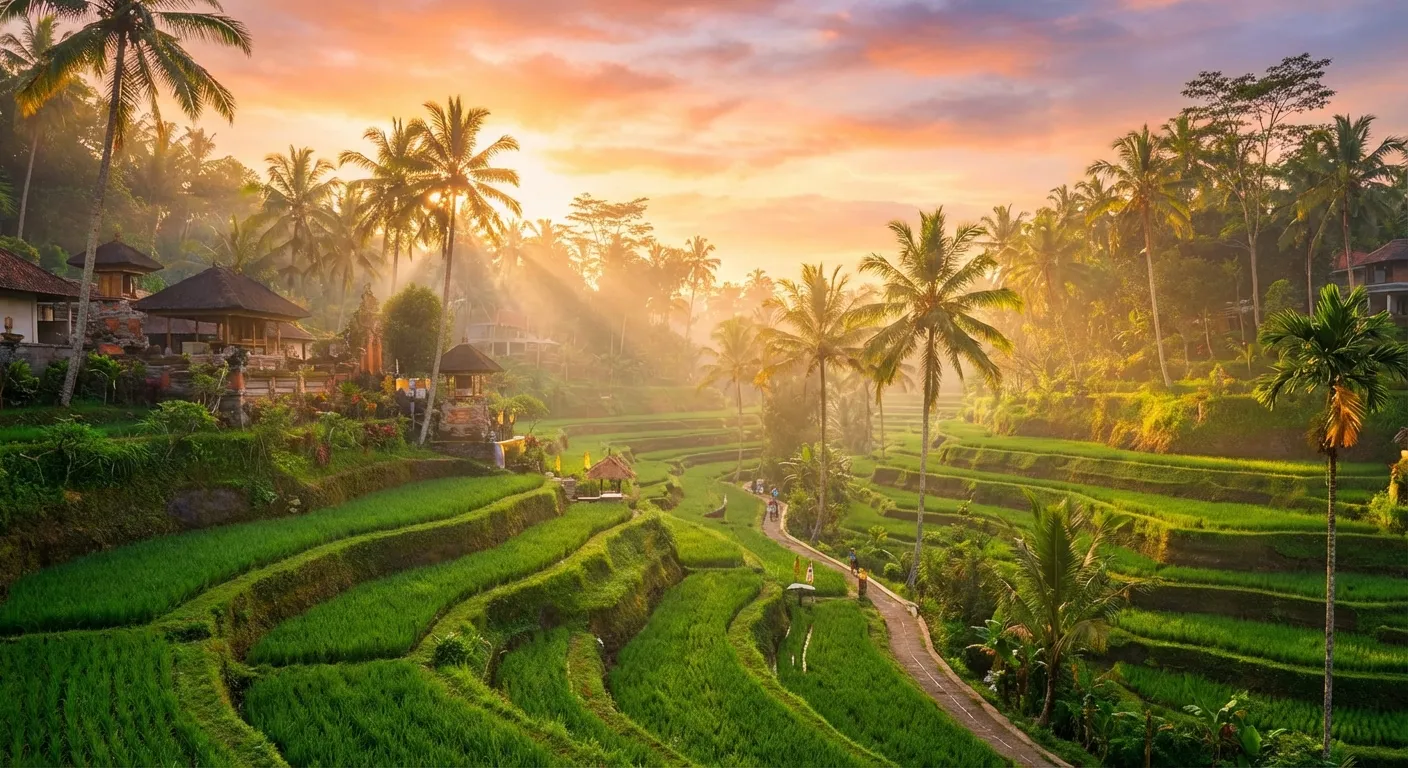
Ubud is a hub for nature-focused activities and hands-on experiences. The Tegallalang Rice Terraces are a short drive away, offering scenic walks for a small donation or entrance…
Ubud is a hub for nature-focused activities and hands-on experiences. The Tegallalang Rice Terraces are a short drive away, offering scenic walks for a small donation or entrance fee (IDR 10,000-20,000 / $0.70-1.40). The Sacred Monkey Forest Sanctuary (IDR 80,000 / $5.50 entrance) allows close encounters with macaques. Numerous waterfalls like Kanto Lampo or Tibumana are within a 30-minute drive. Activities like white-water rafting on the Ayung River (around IDR 400,000-600,000 / $27-40), Mount Batur sunrise treks, and various art or cooking classes are mainstays. The focus is on exploration and active engagement with the natural and cultural landscape.
Canggu's natural activities primarily revolve around the beach. Surfing is its main draw, with lessons and rentals readily available. Beyond the beach, fitness is a significant activity, with numerous yoga studios (e.g., Desa Seni, IDR 150,000 / $10 per class), gyms, and specialized fitness centers. Horseback riding on the beach is another option. While Canggu has its charm, its natural landscape is less diverse than Ubud's inland terrain. The focus is more on active leisure and wellness within a social setting. Ubud provides a broader range of distinctive nature and activity options.
- Winner: Ubud
- Why: Ubud offers a greater diversity of natural landscapes and unique activities like rice field trekking, waterfalls, and cultural workshops.
- Who this matters for: Adventure seekers, nature lovers, those interested in unique cultural activities, and active explorers.
🛍️ Shopping
Ubud is renowned for its traditional Balinese arts and crafts. The Ubud Art Market is a central point, offering everything from sarongs and carved wooden items to paintings and…
Ubud is renowned for its traditional Balinese arts and crafts. The Ubud Art Market is a central point, offering everything from sarongs and carved wooden items to paintings and woven baskets. Bargaining is expected and part of the experience. Beyond the market, numerous smaller shops and galleries display higher quality artwork, textiles, and intricate wood carvings. You can find unique souvenirs and authentic Balinese products, often directly from the artisans or their families. Prices are generally reasonable, especially if you negotiate well. This shopping experience feels more rooted in local culture.
Canggu's shopping scene caters to a more contemporary, Western aesthetic. Boutique stores line the main streets (e.g., Batu Bolong, Berawa), selling trendy fashion, swimwear, minimalist jewelry, and stylish homewares. Brands often have a surf or bohemian chic influence. While you can find some local crafts, the emphasis is on modern, Instagram-friendly products. Prices tend to be higher than in Ubud, reflecting the expatriate and tourist demographic. Shopping here is more akin to browsing independent fashion labels. For a Balinese and varied shopping experience, Ubud takes the lead.
- Winner: Ubud
- Why: Ubud offers a more authentic and diverse shopping experience centered on traditional Balinese arts, crafts, and souvenirs.
- Who this matters for: Souvenir collectors, art enthusiasts, those seeking traditional crafts, and travelers who enjoy bargaining.
💻 Digital Nomad Scene
Ubud has a digital nomad presence, particularly those focused on wellness, spiritual growth, or creative work. Coworking spaces like Hubud or Outpost have been popular, offering…
Ubud has a digital nomad presence, particularly those focused on wellness, spiritual growth, or creative work. Coworking spaces like Hubud or Outpost have been popular, offering good internet and community events. The atmosphere is generally quieter, conducive to focused work and self-reflection. Many nomads here choose villas with good Wi-Fi and enjoy the peaceful surroundings, blending work with yoga and healthy eating. Socializing often happens in a more intimate setting, such as health cafes or workshops. It attracts those who prefer a less overtly social and more serene work environment.
Canggu has developed into a major global hub for digital nomads, offering a robust infrastructure and a strong sense of community. Coworking spaces like Dojo Bali or Tropical Nomad are large, well-equipped, and host frequent networking and social events. Almost every cafe has reliable, fast Wi-Fi, making it easy to work from various locations (e.g., Nude Cafe, Milu by Nook). The social scene is integrated into daily life, with constant opportunities to meet other nomads at cafes, beach clubs, and fitness studios. The balance between work, social life, and leisure is highly accessible. Canggu's infrastructure and community for digital nomads are superior.
- Winner: Canggu
- Why: Canggu provides a more established, social, and infrastructure-rich environment for digital nomads, with abundant coworking spaces and networking opportunities.
- Who this matters for: Digital nomads, remote workers, freelancers, and anyone seeking a strong expatriate community and reliable work infrastructure.
🎯 The Decision Framework
Choose Ubud If…
- You want to spend mornings exploring ancient temples and rice fields.
- You prefer quiet evenings with traditional dance performances or live acoustic music.
- Your budget for food and accommodation is closer to $40-60 per day.
- You are interested in yoga retreats, meditation, or spiritual workshops.
- You enjoy walking through lush green landscapes and finding hidden waterfalls.
- You seek authentic Balinese cultural experiences and local artisan markets.
- You want a slower pace of travel and a calmer environment.
- You prioritize eating traditional Indonesian dishes and health-conscious food.
Choose Canggu If…
- You want to spend your days surfing or lounging on black sand beaches.
- You are looking for a lively nightlife with beach clubs and bars open late.
- You enjoy eating at trendy international cafes and restaurants.
- Your daily budget allows for $60-100 or more, including frequent cafe visits and social outings.
- You want to be part of a large, active digital nomad and expatriate community.
- You are interested in fitness classes, CrossFit gyms, and modern wellness trends.
- You prefer a highly social environment with many opportunities to meet other travelers.
- You like boutique shopping for modern fashion and homewares.
❓ Frequently Asked Questions
How far is Ubud from Canggu, and how do I travel between them?
Ubud is approximately 30-40 km (18-25 miles) from Canggu. The journey typically takes 1 to 1.5 hours by car or scooter, depending on traffic. The easiest way to travel is by private taxi, which costs around IDR 300,000-450,000 ($20-30), or by using ride-hailing apps like Gojek or Grab, though prices might be slightly lower.
Which destination is better for solo female travelers?
Both destinations are generally safe for solo female travelers. Ubud offers a calmer environment, which some might find more comfortable for solo exploration and meeting people in yoga classes or cooking workshops. Canggu has a larger social scene, making it easier to meet other travelers in hostels or cafes, but the nightlife can be more active. Personal preference for pace and social interaction dictates the 'better' choice.
What is the best time of year to visit Ubud or Canggu?
The dry season, from April to October, is ideal for both destinations, with less humidity and more sunshine. Temperatures average around 28-30°C (82-86°F). July and August are peak tourist months. The shoulder seasons (April-May and September-October) offer good weather with fewer crowds and slightly lower prices.
Can I visit both Ubud and Canggu on a short trip, like 5 days?
While possible, a 5-day trip would be rushed. You could spend 2 days in Ubud for culture and rice fields, then 3 days in Canggu for beaches and cafes. This split will involve travel time and unpacking, reducing your effective sightseeing. For a more relaxed experience, aim for at least 7-10 days to properly enjoy both areas.
Which destination has better options for healthy food and dietary restrictions?
Both destinations excel in healthy food, but in different ways. Ubud has a strong focus on traditional Balinese plant-based cuisine, raw food, and organic options. Canggu offers a broader array of modern, international health cafes catering to vegan, gluten-free, and other dietary needs with Western flair. For sheer variety in modern healthy eating, Canggu has a slight edge.
Are Grab and Gojek readily available in both Ubud and Canggu?
Yes, Grab and Gojek are widely available in both Ubud and Canggu. However, in some parts of Ubud and specific areas in Canggu (especially near popular beach clubs), local taxi associations may restrict pick-ups and drop-offs for ride-hailing apps, sometimes requiring you to walk a short distance to a designated spot or use local taxis with higher prices.
Which destination is better for families with young children?
Ubud is generally more family-friendly, offering activities like the Monkey Forest, gentle rice field walks, and cooking classes that children enjoy. Its slower pace and calmer traffic are also advantages. Canggu can be fun for older children who enjoy beaches and surfing, but the constant scooter traffic and late-night noise might be less suitable for very young kids.
What is the typical flight time to Bali's airport (DPS)?
Flights to Denpasar Ngurah Rai International Airport (DPS) vary greatly by origin. From Singapore or Kuala Lumpur, flights are typically 2.5-3 hours. From major Australian cities like Sydney or Melbourne, expect 6-7 hours. From European or North American hubs, total travel time including layovers usually ranges from 15 to 24+ hours.
Ready to plan your Bali trip?
Know the tourist scams before you go — documented from real traveler reports.