
How we built this comparison
This page combines traveler discussion patterns, published price ranges, flight schedules, and seasonal data to help you decide between Cali and Medellín.
- Reviewed Reddit threads from r/travel, r/solotravel, r/Colombia, r/medellin, r/cali
- Verified costs and logistics against current booking platforms (Booking.com, Airbnb, Skyscanner, local airline sites)
- Cross-referenced seasonal patterns and weather data from NOAA and local meteorological services
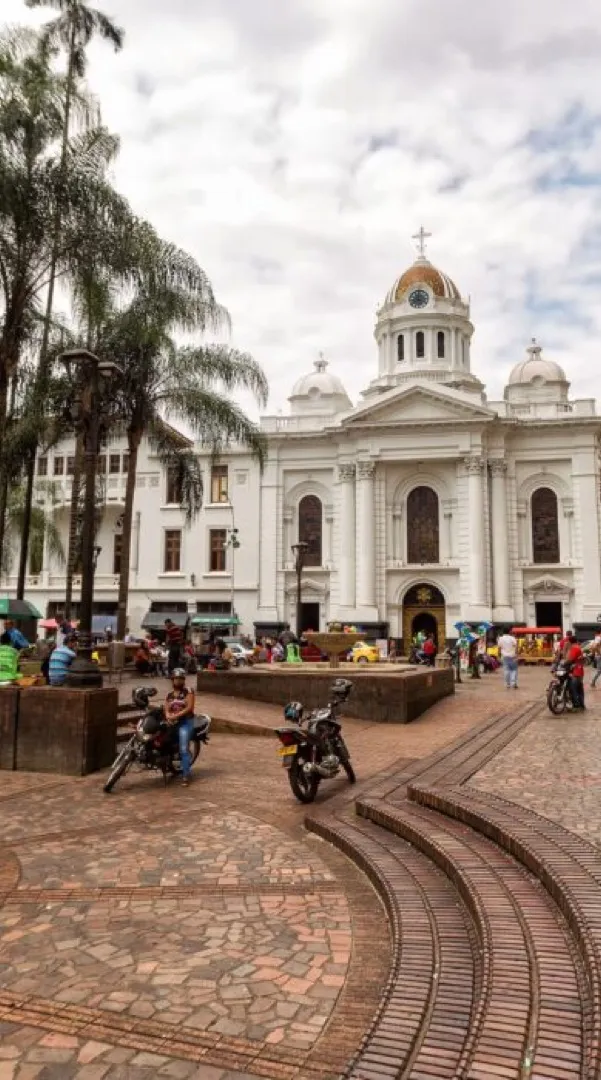
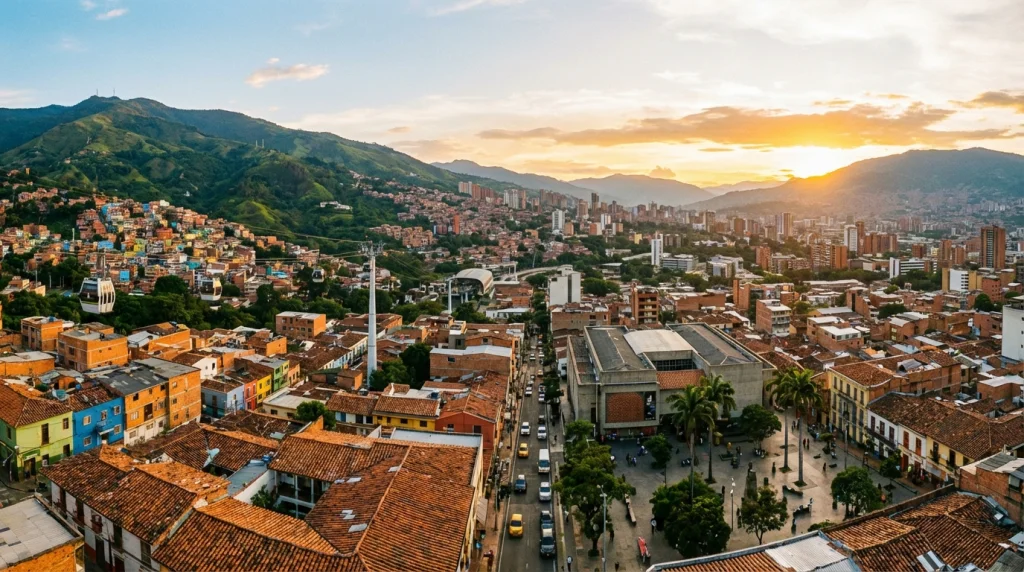
Quick answers
💸 Cheaper for daily costs?
Cali, slightly. $40–60/day vs Medellín's $50–80. Cali's local economy keeps prices lower; Medellín's nomad influx has pushed prices up in El Poblado.
🕺 Better nightlife?
Cali, no contest. Salsa capital of the world — Tin Tin Deo, Zaperoco, Salsa Pura. Medellín has Parque Lleras + Provenza but Cali's salsa culture is global-tier.
☀️ Better climate?
Medellín, decisively. "City of Eternal Spring" — 70–80°F year-round. Cali is hot tropical (85–95°F + humidity).
💻 Better for digital nomads?
Medellín, no contest. El Poblado nomad scene + coworking + fast WiFi. Cali has growing nomad community but smaller scope.
🛡️ Which is safer?
Medellín. Both improving but Medellín's transformation has been more pronounced. Cali still has higher crime statistics; both require typical urban awareness.
🌳 Better day trips?
Medellín. Guatapé (El Peñol rock) day, Santa Fe coffee country, Pueblito Paisa. Cali: Pance river, San Cipriano, sugar-cane country.
Visual scorecard
Side-by-side scoring on the dimensions travelers ask about most. Higher bar wins.
⚡ The TL;DR Verdict
If you crave an immersive, hot, and authentic Colombian experience centered around salsa and chaotic local life, Cali is your pick, budget around $40-60/day. For those seeking modern amenities, a milder climate, and diverse activities with a slightly more international feel, Medellín is the winner, expecting $50-80/day.
- Choose Cali: For the hardcore salsa enthusiast, cultural immersion seeker, and budget traveler who doesn't mind the heat and a slightly grittier edge for a authentic experience.
- Choose Medellín: Ideal for digital nomads, solo travelers, and those looking for a comfortable, beautiful city with diverse nightlife, excellent infrastructure, and a 'City of Eternal Spring' climate.
- Choose Both: If you have 2+ weeks, absolutely do both! Start with Medellín for 5-7 days, then fly to Cali for 4-6 days. The internal flight is only ~1 hour and costs around $50-100 USD (COP 200,000-400,000).
Choose Cali
Choose Cali if you crave an authentic, high-energy Colombian experience centered around elite-level salsa and packed local life, stretching your budget further. It's best for hardcore salsa enthusiasts and cultural immersion seekers who don't mind the heat, eager to explore neighborhoods like San Antonio or Juanchito for local rhythms and flavors.
Choose Medellín
Opt for Medellín if you prioritize modern amenities, a comfortable 'City of Eternal Spring' climate, and a diverse range of activities with a slightly more international feel. It's ideal for digital nomads, solo travelers, and those who enjoy upscale dining and energetic nightlife in El Poblado, balanced with profound cultural tours in Comuna 13.
Quick Comparison
| Category | Cali | Medellín | Winner |
|---|---|---|---|
| Nightlife & Vibe | Salsa, salsa, salsa! Authentic, high-energy, and local. Less of the tourist party scene. | Diverse, modern, international. Electronic, reggaeton, pop in El Poblado, with more local options in Envigado and Laureles. | Cali |
| Costs & Budget | Generally more affordable for accommodation, food, and activities. You can stretch your peso further here. | Slightly pricier, especially in tourist hubs like El Poblado. Still very affordable by Western standards, but expect to pay a bit more. | Cali |
| Safety & Perception | Has a reputation for being rougher. Tourist areas are generally safe during the day, but caution is needed at night. | Significant improvements, particularly in popular tourist zones. Still requires street smarts, but feels generally safer and more organized. | Medellín |
| Culture & History | Deeply rooted in Afro-Colombian and indigenous heritage, with salsa as its heartbeat. Authentic, raw, and less 'curated.' | Rich history from indigenous roots to industrialization and transformation. More museums and historical sites are easily accessible. | Medellín |
| Nature & Day Trips | Proximity to the Pacific coast (though challenging to reach), Cloud Forest, and the Pance River. Less developed tourist infrastructure. | Famous for Guatapé and El Peñol. Accessible cable car rides to Parque Arvi. More established and varied day trip options. | Medellín |
| Food Scene | Known for traditional Pacific coast flavors, sugarcane-based sweets, and hearty 'Vallecaucana' cuisine. Authentic and local. | More diverse and international offerings, especially in El Poblado. Plenty of fine dining, fusion, and trendy cafes alongside traditional fare. | Medellín |
| Weather & Climate | Hot and humid year-round. Tropical climate with little variation, can be intense for some. | The 'City of Eternal Spring.' Mild, pleasant temperatures year-round, making it comfortable for exploring. | Medellín |
| Accommodation | More budget-friendly hostels and guesthouses. Fewer high-end luxury options. Good value for money. | Wide range from hostels to luxury hotels, especially in El Poblado. More boutique options and digital nomad-friendly stays. | Medellín |
| Digital Nomads & Long Stays | Emerging scene but less developed infrastructure. Fewer coworking spaces, but lower cost of living. | A well-established hub with excellent infrastructure: coworking spaces, fast internet, community, and amenities. Higher cost of living but still affordable. | Medellín |
| Getting Around | Primarily taxis, Uber/apps, and local buses. No metro system, so traffic can be a factor. | Excellent, clean, and efficient metro system (including cable cars). Taxis and ride-sharing are also readily available. | Medellín |
🕺 Nightlife & Vibe
Cali is the undisputed 'Salsa Capital of the World,' and its nightlife revolves almost entirely around this passionate dance. You'll find a raw, electric energy in places like 'Zaperoco' or 'La Topa Tolondra' where locals dance like their lives depend on it. Don't expect fancy cocktails; it's about cheap Aguardiente and pure movement. Lessons are readily available, often for COP 30,000-50,000 ($8-13 USD) an hour. Medellín offers a broader spectrum, from the high-end clubs in El Poblado's 'Parque Lleras' area, like 'Salon Amador' for electronic music, to more laid-back bars in Laureles or Envigado. While Medellín has salsa, it's not the city's defining characteristic. Cali's nightlife is an experience, not just a party. "Dude, going out in Cali felt like stepping into a movie. Everyone just *dances*. It’s not about looking cool, it's about feeling the music. Medellín was fun, but Cali's energy is unmatched." The atmosphere in Cali is immersive, pushing you to participate whether you know how to dance or not, whereas Medellín provides more options for observation or less intense participation.
- Winner: Cali
- Why: Cali wins for its unparalleled, authentic, and immersive salsa culture that dominates its nightlife.
- Who this matters for: Salsa lovers, cultural explorers, and those seeking an intense local experience.
💸 Costs & Budget
Cali is notably easier on the wallet than Medellín. A decent hostel bed in Cali can be found for COP 40,000-60,000 ($10-15 USD), while in Medellín, especially El Poblado, it's more like COP 60,000-90,000 ($15-23 USD). Local lunch 'menú del día' in Cali often runs COP 12,000-20,000 ($3-5 USD), while Medellín is closer to COP 18,000-28,000 ($4.50-7 USD). Transportation via taxi or Uber is cheap in both, but Cali's distances are often shorter. A beer in a local bar might be COP 5,000 ($1.25 USD) in Cali versus COP 7,000-10,000 ($1.75-2.50 USD) in Medellín. If you're backpacking or on a tighter budget, Cali lets you experience more without constant penny-pinching. "Cali felt like I was getting way more bang for my buck. My daily budget stretched almost 20% further than it did in Medellín, especially for food and beer." This cost difference allows for more salsa classes, more traditional meals, and generally a more relaxed approach to spending.
- Winner: Cali
- Why: Cali offers a more budget-friendly experience across all categories, allowing travelers to save money or extend their stay.
- Who this matters for: Budget travelers, backpackers, and those looking for maximum value.
🛡️ Safety & Perception
Medellín has undergone an incredible transformation, shedding its past reputation to become a chaotic, modern city. While petty crime (pickpocketing, phone snatching) is still a concern in crowded areas like El Poblado and Centro, violent crime against tourists is less common. Use common sense: don't flash valuables, avoid walking alone late at night, and use ride-sharing apps. Comuna 13, once notorious, is now a powerful symbol of resilience and a popular, safe tourist spot during the day. Cali, unfortunately, still struggles with a higher crime rate, and its reputation precedes it. While tourist areas like San Antonio and Granada are generally safe during the day, venturing out at night, especially alone, requires more vigilance. Locals are very direct about which areas to avoid. "I felt way more comfortable walking around Medellín, even at night in Laureles. Cali had a different vibe; I was constantly checking my surroundings, especially outside the main tourist bubbles." The infrastructure and visible security presence in Medellín also contribute to a greater sense of safety for visitors.
- Winner: Medellín
- Why: Medellín feels generally safer and has a more organized tourist infrastructure, leading to a more relaxed experience for visitors.
- Who this matters for: Solo travelers, first-time visitors to Colombia, and those prioritizing peace of mind.
🛡 Dig deeper: Cali scam guide · Medellín scam guide
🏛️ Culture & History
Both cities boast incredible culture, but Medellín offers a more diverse and accessible historical narrative for tourists. The 'Museo de Antioquia' houses a fantastic Fernando Botero collection, and 'Plaza Botero' is an iconic outdoor gallery. The city's transformation, especially evident in 'Comuna 13' through its neon-lit street art and electric escalators, is a powerful historical lesson in itself. The 'Parque Explora' and 'Jardín Botánico' also contribute to its modern cultural landscape. Cali's culture is intrinsically linked to salsa, its colonial past in 'San Antonio,' and its Pacific coast influences. While it has historical churches and the 'Museo de la Salsa,' its historical narrative is less overtly presented for tourists compared to Medellín. "Medellín's Comuna 13 tour was one of the most impactful history lessons I've ever had. It's not just old buildings; it's living history and resilience. Cali's culture is felt, but Medellín's is seen and explained." The sheer number of well-maintained and informative cultural institutions give Medellín an edge.
- Winner: Medellín
- Why: Medellín provides a more diverse and easily accessible array of historical sites, museums, and modern cultural experiences.
- Who this matters for: History buffs, art lovers, and those interested in urban transformation stories.
🌳 Nature & Day Trips
Medellín shines with its accessible and striking day trip options. The iconic 'Guatapé' and its monolith 'El Peñol' are a must-do, easily reached by bus for about COP 18,000-25,000 ($4.50-6.50 USD) one way, offering colorful architecture and panoramic views. Within the city, the 'MetroCable' whisks you over striking landscapes up to 'Parque Arvi' for a refreshing nature escape. Other popular day trips include the picturesque coffee region towns of 'Jardín' or 'Salento' (though Salento is a bit further). Cali offers the refreshing 'Pance River' for a local dip and is closer to the Pacific coast for more adventurous trips to places like 'Ladrilleros' or 'Juanchaco' (requires a significant journey by bus and boat). However, these coastal trips are less tourist-friendly and require more planning. "Guatapé from Medellín was just perfect. Easy to get to, sharp views, and a totally different vibe from the city. Cali's nature felt harder to reach without a private car." Medellín's day trips are simply more varied, easier to organize, and offer a higher payoff for the effort.
- Winner: Medellín
- Why: Medellín offers a wider range of easily accessible and highly rewarding nature-focused day trips.
- Who this matters for: Nature lovers, photographers, and those who enjoy easy excursions outside the city.
🍲 Food Scene
While Cali holds its own with delicious traditional food, Medellín takes the crown for its sheer variety and quality in the culinary scene. Cali excels in 'sancocho de gallina' (hen soup), 'empanadas Vallunas,' and 'pandebono,' with great local spots in Granada and San Antonio. You'll find incredible 'cholados' (fruit, ice, condensed milk) everywhere. However, Medellín has evolved into a true foodie paradise. El Poblado is brimming with innovative fusion restaurants like 'El Cielo,' trendy cafes, and international cuisine from sushi to Italian. Laureles and Envigado offer a mix of traditional Colombian eateries and more casual, hip spots. You can grab a top-notch 'Bandeja Paisa' for COP 25,000 ($6 USD) or an exquisite meal for COP 150,000 ($38 USD). "The food scene in Medellín just felt way more exciting. I could get incredible street food, then a fancy dinner, then a vegan brunch, all within a few blocks. Cali was good for local stuff, but less variety." The breadth of options, catering to all tastes and budgets, makes Medellín the winner.
- Winner: Medellín
- Why: Medellín has a more diverse, international, and high-quality food scene, catering to a wider range of palates.
- Who this matters for: Foodies, those seeking international dining options, and travelers who appreciate culinary diversity.
☀️ Weather & Climate
This is an easy win for Medellín. Dubbed the 'City of Eternal Spring,' Medellín enjoys remarkably consistent, pleasant weather throughout the year. Daytime temperatures typically hover around 27-28°C (80-82°F) with cool evenings around 18°C (64°F), making it perfect for walking and outdoor activities without feeling drained by the heat. While it does have rainy seasons (April-May and Sept-Nov), the showers are often brief. Cali, on the other hand, is hot and humid year-round, with average highs around 30-32°C (86-90°F) and significant humidity. If you're not accustomed to tropical heat, it can be quite draining. Air conditioning becomes a necessity, not a luxury. "After a week in Cali, I was sweating constantly. Getting to Medellín felt like a breath of fresh air, literally. The weather there is just perfect for exploring without feeling sluggish." The consistent, comfortable climate of Medellín greatly enhances the overall travel experience, allowing for more enjoyable daytime exploration and outdoor activities.
- Winner: Medellín
- Why: Medellín's famously mild and consistent 'eternal spring' climate is far more comfortable for travelers than Cali's intense heat and humidity.
- Who this matters for: Everyone, but especially those sensitive to heat and humidity, or travelers planning extensive daytime activities.
🏨 Accommodation
Medellín offers a more comprehensive and diverse range of accommodation options, catering to every budget and style. In El Poblado, you'll find everything from busy party hostels like 'Viajero Medellín Hostel' and stylish boutique hotels, to luxury chains and countless Airbnb apartments perfect for digital nomads. Laureles and Envigado also provide excellent, slightly quieter options. Cali, while offering great value, has fewer high-end or boutique choices. Its hostel scene is strong, with places like 'Hostel Viajero Cali' or 'Casa Blanca Hostel' being popular, offering beds for COP 45,000-70,000 ($11-18 USD). Mid-range hotels are plentiful, but the overall sophistication and variety, particularly for those seeking more than just a basic bed, are greater in Medellín. "Finding a great Airbnb with a pool and a view was super easy and affordable in Medellín. In Cali, it felt like my options were good hostels or basic hotels; not as many unique, comfortable mid-range places." Medellín's booming tourism and digital nomad scene have spurred the development of a more varied and polished accommodation market.
- Winner: Medellín
- Why: Medellín provides a wider, more varied, and generally higher quality selection of accommodation for all budgets and preferences.
- Who this matters for: All travelers, especially digital nomads and those seeking boutique or luxury stays.
💻 Digital Nomads & Long Stays
Medellín is one of the top digital nomad destinations in Latin America, and for good reason. It has numerous coworking spaces like 'Selina Medellín' and 'Noah Workspace,' reliable high-speed internet (fiber optic is common), and a massive, active community of international remote workers. Areas like El Poblado and Laureles are packed with cafes, gyms, and English-speaking services, making settling in easy. The comfortable climate and diverse social scene also contribute. Cali, while increasingly attracting remote workers, is still catching up. It has fewer dedicated coworking spaces, and while internet is generally good, finding fiber optic outside specific areas might be harder. The cost of living is lower, which is a draw, but the support system and community are not as established. "I tried working from Cali for a month, but the lack of dedicated coworking spaces and a strong nomad community made it tough. Medellín is just built for remote work; everything you need is there, and everyone else is doing it too." For anyone looking to work and live comfortably for an extended period, Medellín is the clear frontrunner due to its superior infrastructure and thriving expat/nomad community.
- Winner: Medellín
- Why: Medellín offers superior infrastructure, a robust digital nomad community, and more amenities geared towards long-term remote workers.
- Who this matters for: Digital nomads, remote workers, and anyone planning a long-term stay.
🚇 Getting Around
Medellín's public transportation system is a marvel and a point of immense pride for its residents. The Metro is clean, efficient, safe, and easily connects major parts of the city, including its famous MetroCable lines that offer jaw-dropping views as they ascend the hills. A single Metro ride costs around COP 3,000 (~$0.75 USD). This makes getting around the city incredibly easy and affordable. Taxis and ride-sharing apps like Uber and Didi are also plentiful and inexpensive. Cali, unfortunately, lacks a metro system. While it has a bus rapid transit system (MIO) and plenty of taxis/ride-sharing, traffic can be heavy, and navigating the city feels less streamlined. Distances between attractions can also be longer, leading to higher taxi fares. "The Medellín Metro is a game-changer. It’s so easy to get anywhere, and it’s spotless. In Cali, I felt like I was spending half my time in Ubers stuck in traffic." The efficiency and reach of Medellín's Metro system significantly enhance the travel experience, reducing stress and travel time.
- Winner: Medellín
- Why: Medellín's integrated and highly efficient public transportation system, especially its Metro and cable cars, is superior for getting around.
- Who this matters for: All travelers, especially those who prefer public transport and want to avoid traffic.
💰 Daily Cost Breakdown
| Expense | Cali | Medellín |
|---|---|---|
| Hostel dorm | $8 | $8 |
| Budget hotel | $25 | $28 |
| Street food meal | $2 | $2 |
| Restaurant meal | $7 | $7 |
| Beer / drink | $2 | $2 |
| Local transport (day) | $2 | $2 |
| Daily budget total | $14-25 | $14-28 |
Approximate daily costs for 2026. Actual prices vary by season and travel style.
🎯 The Decision Framework
Choose Cali If…
- You want to learn or practice salsa in its capital.
- Your daily travel budget is strictly $40-60.
- You seek an unfiltered, less gentrified Colombian city experience.
- You enjoy a consistently hot, tropical climate (around 25-30°C).
- You prioritize highly affordable local food and street eats.
- You want a nightlife focused on local music and dance halls.
- You prefer a city where local interactions are key to the experience.
- You are looking for extremely cheap local transportation options.
Choose Medellín If…
- You prefer a mild, spring-like climate year-round (around 22°C).
- You value modern infrastructure and amenities for daily living.
- You are a digital nomad or planning a long-term stay.
- You prioritize efficient and clean public transportation, like a metro system.
- You seek a wide variety of day trips, including nature and adventure.
- You appreciate diverse food options, from traditional to international.
- You prefer a city with a higher perception of safety and order.
- You want a broad selection of accommodation, from budget to upscale.
- You enjoy a city with well-developed cultural attractions and museums.
❓ Frequently Asked Questions
Is it safe to fly into Cali or Medellín?
Yes, both cities have international airports (CLO for Cali, MDE for Medellín) that are safe and modern. Direct flights from the US typically arrive during daylight hours, and pre-booking a taxi or using ride-sharing apps from the airport is standard practice.
How long should I spend in each city?
For Medellín, aim for at least 4-5 full days to see the main sights and soak in the atmosphere. For Cali, 3-4 full days is usually sufficient to get a good grasp of its salsa culture and unique vibe, especially if you plan on taking dance lessons.
What's the best way to travel between Cali and Medellín?
Flying is by far the most convenient option. Several local airlines like Avianca and LATAM offer frequent 1-hour flights for around COP 200,000-400,000 ($50-100 USD). Buses are an alternative but take 8-10 hours, which can be tiring.
Do I need to speak Spanish in these cities?
While it's highly recommended to know some basic Spanish, especially in Cali where English is less common, you can get by with English in tourist-heavy areas of Medellín (like El Poblado). Using translation apps is helpful in both cities.
Are there any specific scams to watch out for?
In both cities, be wary of 'paseo millonario' (express kidnapping in unofficial taxis) — always use ride-sharing apps or official taxis. Also, be vigilant against pickpocketing, especially in crowded areas or late at night. Never accept drinks from strangers.
Which city is better for solo female travelers?
Medellín generally offers a more comfortable experience for solo female travelers due to its better infrastructure, more visible tourist presence, and a slightly lower perceived risk, especially in well-trodden neighborhoods like El Poblado and Laureles. Always exercise caution in both cities.
What's the coffee culture like?
Medellín, being closer to the coffee axis, has a booming specialty coffee scene with numerous trendy cafes, especially in El Poblado and Laureles. Cali also has good coffee, but it's more about local cafes and less about the curated, international-style coffee shops found in Medellín.
Should I visit the Pacific coast from Cali?
If you're an adventurous traveler looking for a raw, authentic experience and don't mind basic accommodations and a challenging journey, then yes. However, it's not a typical beach destination and requires more planning and resilience than trips to the Caribbean coast (Cartagena/Tayrona).
Ready to plan your Colombia trip?
Know the tourist scams before you go — documented from real traveler reports.