
How we built this comparison
This page combines traveler discussion patterns, published price ranges, flight schedules, and seasonal data to help you decide between Japan and Netherlands.
- Reviewed Reddit threads from r/travel, r/solotravel, r/japantravel, and r/amsterdam.
- Verified costs and logistics against current booking platforms like Booking.com, Skyscanner, and local transport sites.
- Cross-referenced seasonal patterns and weather data from meteorological services for optimal travel times.
⚡ Quick Answers
⚡ The TL;DR Verdict
For those seeking deep cultural immersion, high-tech cities, and diverse landscapes at a moderate-to-high budget, Japan is the clear choice. If you prefer compact, easily navigable cities, a relaxed pace, and a focus on art and design within a slightly lower daily budget, the Netherlands will deliver. Most travelers will find Japan more impactful for a first-time distant international trip.
- Choose Japan: Travelers prioritizing distinct cultural experiences, culinary exploration, efficient public transport, and a sense of otherworldliness should head to Japan. Expect to spend ¥15,000-25,000 ($100-170 USD) per day, excluding major splurges.
- Choose Netherlands: Individuals who appreciate cycling, art museums, canal-side charm, and straightforward European travel with less language barrier will enjoy the Netherlands. A daily budget of €80-150 ($90-165 USD) is realistic for a good experience.
- Choose Both: If you have 4+ weeks and a substantial budget, you could experience both. Start in the Netherlands for a week or two, then connect to Japan for two to three weeks, but these destinations are distinct enough that combining them for shorter trips dilutes the experience. Pick one for a 7-14 day trip.
Choose Japan
Choose Japan if you crave an immersive journey into a world where ancient traditions meet futuristic marvels. Best for culture enthusiasts and foodies, explore bustling Shibuya crossings, serene Kyoto temples, and savor exquisite ramen. Expect an efficient, unforgettable adventure, ideal for those seeking a distinct and high-impact travel experience.
Choose Netherlands
Opt for the Netherlands if you appreciate a charming, easily navigable trip focused on art, history, and picturesque scenery. Best for art lovers and casual explorers, cycle along Amsterdam's canals, marvel at masterpieces in the Rijksmuseum, or explore quaint villages like Giethoorn. Enjoy a relaxed pace and European convenience, perfect for a culturally rich yet low-stress getaway.
📊 Visual Scorecard
🌤 When to Visit
Average high temperatures (°C). Green = best months, orange = avoid.
Quick Comparison
| Category | Japan | Netherlands | Winner |
|---|---|---|---|
| Costs & Budget | Moderate-to-high, but good value for quality. Transport is a major expense. Street food is affordable. | Moderate, slightly cheaper for daily expenses. Accommodation can be high in Amsterdam. Cycling saves money. | Netherlands |
| Culture & History | Ancient traditions, Shinto shrines, Buddhist temples, samurai history, geisha districts. Deep, intricate. | Dutch Golden Age, canal houses, liberal history, art masters (Rembrandt, Van Gogh), modern design. Accessible. | Japan |
| Food & Drink | Sushi, ramen, tempura, kaiseki, street food. Emphasis on seasonality and presentation. Diverse and accessible. | Stroopwafels, herring, cheese, bitterballen. Hearty, practical. Craft beer and jenever are local drinks. | Japan |
| Getting Around | Efficient, extensive public transport (trains, subways). Shinkansen (bullet train) for intercity. Clear signage. | Excellent train network for intercity. Cycling is dominant in cities. Trams/buses cover local routes. | Japan |
| Accommodation | Wide range: capsule hotels, business hotels, ryokans, traditional guesthouses. Generally compact rooms. | Hostels, boutique hotels, canal-side apartments, B&Bs. Room sizes are varied. Pricey in popular cities. | Tie |
| Nightlife | Karaoke, izakayas, themed bars, Shibuya crossings. Late-night dining. More contained. | Brown cafes, breweries, liberal coffee shops (cannabis), Red Light District. Open, diverse. | Netherlands |
| Nature & Outdoors | Mountains, volcanoes, forests, hot springs (onsen), coastal regions. Dramatic and varied landscapes. | Flat polders, canals, beaches, tulip fields. Gentler, cultivated landscapes. Cycling is key. | Japan |
| Safety | Extremely safe, low crime rates. Public honesty is high. Solo travel is very secure. | Generally safe, but petty crime (pickpocketing) exists in tourist areas. Common sense applies. | Japan |
| Shopping | Electronics, fashion (Harajuku), traditional crafts, anime/manga, unique souvenirs. Tax-free options. | Dutch design, cheese, Delftware, antiques, fashion boutiques. Distinctive local products. | Japan |
| Solo Travel | Extremely safe, efficient transport, single-person dining options, capsule hotels. Easy to navigate. | Safe, easy to navigate by bike, good hostel scene for meeting people, less language barrier. | Japan |
💰 Costs & Budget
Japan's daily travel costs hover around ¥15,000-25,000 ($100-170 USD) for a mid-range traveler, excluding intercity train passes. Accommodation in Tokyo or Kyoto can range from…
Japan's daily travel costs hover around ¥15,000-25,000 ($100-170 USD) for a mid-range traveler, excluding intercity train passes. Accommodation in Tokyo or Kyoto can range from ¥8,000-15,000 ($55-100 USD) for a decent business hotel, while capsule hotels are ¥3,000-5,000 ($20-35 USD). Food can be very affordable; a bowl of ramen is ¥800-1200 ($5.50-8 USD), and convenience store meals are ¥500-800 ($3.50-5.50 USD). The JR Pass, while convenient, is a significant upfront cost, now around ¥50,000 ($330 USD) for 7 days. Local subway rides are ¥180-300 ($1.20-2 USD). Activities like temple entries are often ¥300-800 ($2-5.50 USD).
The Netherlands generally offers a slightly more budget-friendly experience, with daily costs for a mid-range traveler around €80-150 ($90-165 USD). Accommodation, particularly in Amsterdam, can be expensive, with hostels starting at €30-50 ($33-55 USD) and basic hotels €80-150 ($90-165 USD). Outside Amsterdam, prices drop. Food costs are moderate; a broodje (sandwich) is €4-7 ($4.40-7.70 USD), a meal at a casual restaurant €15-25 ($16.50-27.50 USD). Public transport, like a single tram ticket in Amsterdam, is €3.20 ($3.50 USD), but cycling is often free after rental (€10-15/day). Museum entries typically range from €15-25 ($16.50-27.50 USD). The Netherlands edges out Japan for overall daily spend, especially if you avoid excessive train travel.
- Winner: Netherlands
- Why: The Netherlands offers more opportunities for budget savings, especially with cheaper local transport options and generally lower food costs outside tourist traps.
- Who this matters for: Budget-conscious travelers and those planning longer trips.
⛩️ Culture & History
Japan provides an immersion into a culture with thousands of years of continuous history, manifesting in distinct architecture, rituals, and societal norms. Visit Kyoto's Fushimi…
Japan provides an immersion into a culture with thousands of years of continuous history, manifesting in distinct architecture, rituals, and societal norms. Visit Kyoto's Fushimi Inari Taisha (free entry) or Kinkaku-ji (¥500, $3.50 USD) to see ancient religious sites. The samurai history is visible in places like Himeji Castle (¥1,000, $7 USD) or through traditional performances. Tokyo offers a contrast with its modern pop culture, but even here, sites like Senso-ji Temple (free entry) anchor the past. Understanding Japanese etiquette, from bowing to dining customs, is part of the experience. The separation from Western culture is significant, making it a profound exploration of non-Western traditions.
The Netherlands showcases a history tied to maritime trade, innovation, and a pragmatic approach to life. Amsterdam's canal houses (17th century) are a testament to the Dutch Golden Age. Major museums like the Rijksmuseum (free for under 18, otherwise €22.50, $25 USD) and the Van Gogh Museum (€22, $24 USD) house famous works. The Anne Frank House (€16, $17.50 USD) offers a poignant look at WWII history. Windmills at Kinderdijk (starting €11.50, $12.50 USD) represent a unique engineering heritage. While its history is rich, it feels more integrated into a broader European context. Japan wins for the sheer depth and divergence of its cultural and historical offerings.
- Winner: Japan
- Why: Japan's history and culture are distinctly non-Western, offering a profound and often surprising experience that stands apart.
- Who this matters for: Travelers seeking deep cultural immersion and radically different perspectives.
🍣 Food & Drink
Japanese cuisine is renowned globally for its precision, diversity, and emphasis on fresh, seasonal ingredients. You can eat incredibly well at all price points. A high-quality…
Japanese cuisine is renowned globally for its precision, diversity, and emphasis on fresh, seasonal ingredients. You can eat incredibly well at all price points. A high-quality sushi omakase dinner can be ¥15,000-30,000 ($100-200 USD), but a delicious bowl of ramen at Ichiran is ¥980 ($6.70 USD). Yakitori skewers are ¥200-500 ($1.40-3.50 USD) each. Convenience stores like 7-Eleven offer surprisingly good quality onigiri (rice balls) for ¥150-250 ($1-1.70 USD) and various bentos. Drinking culture includes sake, shochu, and highballs, often enjoyed in izakayas (pub-style eateries) where a small beer is ¥500-700 ($3.50-5 USD). The range from street food stalls in Osaka to Michelin-starred restaurants in Tokyo is vast and consistently high in quality.
Dutch food is generally comforting and practical, rather than experimental. Stroopwafels (€2-3, $2.20-3.30 USD) are a popular sweet snack. Herring, served raw with onions, is a common street food (€4-6, $4.40-6.60 USD). Cheese, especially Gouda and Edam, is a staple. Bitterballen (€6-9 for a plate, $6.60-9.90 USD) are deep-fried meatballs often served with mustard in brown cafes. A typical dinner at a mid-range restaurant in Amsterdam might cost €20-35 ($22-38 USD). While there is a growing scene for international cuisine and craft beer, the indigenous food offerings are less diverse and internationally celebrated than Japan's. Japan wins for its sheer culinary depth and breadth.
- Winner: Japan
- Why: Japan offers an unparalleled range of culinary experiences, from refined kaiseki to affordable street food, all with a focus on quality and presentation.
- Who this matters for: Foodies and travelers who prioritize diverse and high-quality dining experiences.
🚄 Getting Around
Japan's public transportation system is renowned for its punctuality, cleanliness, and efficiency. The Shinkansen bullet trains connect major cities like Tokyo, Kyoto, and Osaka…
Japan's public transportation system is renowned for its punctuality, cleanliness, and efficiency. The Shinkansen bullet trains connect major cities like Tokyo, Kyoto, and Osaka at speeds up to 320 km/h. A trip from Tokyo to Kyoto costs around ¥13,000-14,000 ($90-95 USD) one-way. Within cities, extensive subway and train networks are easy to navigate with IC cards (Suica/Pasmo), where individual rides are ¥180-300 ($1.20-2 USD). English signage is prevalent in major tourist areas. Even remote areas are often accessible by local buses or trains. Getting lost is rare, and delays are minimal. The system is designed for visitor ease and comfort, even for non-Japanese speakers.
The Netherlands also has an efficient public transport system, primarily centered around its national train network (NS) which connects cities like Amsterdam, Rotterdam, and Utrecht frequently. A train ticket from Amsterdam to Rotterdam costs around €17 ($18.50 USD) one-way. Within cities, trams, buses, and metro lines are reliable. However, the most iconic way to get around Dutch cities is by bicycle. Renting a bike costs around €10-15 ($11-16.50 USD) per day. While effective, the sheer scale and integration of Japan's system, particularly the high-speed rail, give it an edge for covering long distances quickly and comfortably. Japan wins for overall efficiency, speed, and connectivity across the country.
- Winner: Japan
- Why: Japan's Shinkansen and dense urban transit networks provide unparalleled speed, coverage, and reliability for travelers.
- Who this matters for: Travelers prioritizing efficiency, speed, and ease of intercity and intracity movement.
🏨 Accommodation
Japan offers a spectrum of accommodation options, from budget-friendly capsule hotels (¥3,000-5,000, $20-35 USD) to efficient business hotels (¥8,000-15,000, $55-100 USD) and…
Japan offers a spectrum of accommodation options, from budget-friendly capsule hotels (¥3,000-5,000, $20-35 USD) to efficient business hotels (¥8,000-15,000, $55-100 USD) and traditional ryokans (¥15,000-30,000+, $100-200+ USD per person, often including meals). Rooms in cities are often compact but immaculately clean and feature modern amenities. Unique experiences like staying in a temple lodging (shukubo) are also possible. Booking in advance, especially during peak season, is advisable. Service quality is consistently high across all price points. Options cater to solo travelers, couples, and families, though larger rooms can be expensive.
Accommodation in the Netherlands also presents a good variety. Hostels in Amsterdam start from €30-50 ($33-55 USD) for a dorm bed. Boutique hotels in major cities can range from €100-200 ($110-220 USD) per night. Outside Amsterdam, prices are generally lower. Staying in a traditional canal house apartment can offer a unique stay. Room sizes vary, with older buildings potentially having quirky layouts. Both countries provide good quality and diverse choices. The choice between them depends on whether you prefer distinctly Japanese styles like ryokans and capsules or European boutique stays and apartments. It's a tie because both offer quality and variety, but with different local flavors.
- Winner: Tie
- Why: Both destinations provide excellent, diverse accommodation options that cater to various budgets and preferences, each with their own local flair.
- Who this matters for: All travelers, as both countries offer reliable and varied choices for sleeping.
🍻 Nightlife
Japan's nightlife is concentrated in areas like Tokyo's Shinjuku (Golden Gai for tiny bars) or Shibuya. Karaoke is a popular activity, with private rooms available for groups…
Japan's nightlife is concentrated in areas like Tokyo's Shinjuku (Golden Gai for tiny bars) or Shibuya. Karaoke is a popular activity, with private rooms available for groups (starting ¥1,500-2,500, $10-17 USD per hour). Izakayas are common for food and drinks, offering a relaxed atmosphere. Themed bars, like robot restaurants (¥8,000-10,000, $55-70 USD), cater to tourists. While there are dance clubs, the atmosphere is generally more about intimate conversations or group activities. Many places close around midnight or 1 AM, though some bars stay open later. Late-night dining, especially ramen, is widely available.
The Netherlands, particularly Amsterdam, has a more outwardly liberal and diverse nightlife. Brown cafes offer a traditional, cozy pub experience. The city is known for its coffee shops selling cannabis (purchases typically €10-20, $11-22 USD for a small amount, no smoking inside). The Red Light District is a unique attraction, attracting curiosity rather than just illicit activities. Dance clubs, live music venues, and a range of bars are prevalent. Patrons are often more openly social, and venues tend to stay open later than in Japan. For sheer variety, openness, and different types of experiences, the Netherlands has a broader appeal. Netherlands wins for variety and accessibility of different experiences.
- Winner: Netherlands
- Why: The Netherlands offers a more diverse range of open and distinct nightlife experiences, including its famous coffee shops and brown cafes.
- Who this matters for: Travelers seeking diverse evening entertainment, including unique social settings and clubbing.
🏞️ Nature & Outdoors
Japan's geography is largely mountainous, offering dramatic landscapes and a wide array of outdoor activities. Mount Fuji is an iconic symbol, and its surrounding Fuji Five Lakes…
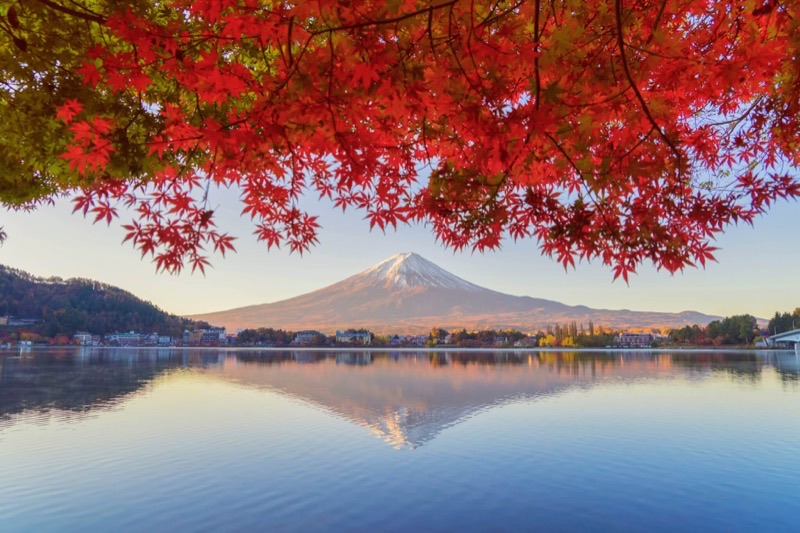
Japan's geography is largely mountainous, offering dramatic landscapes and a wide array of outdoor activities. Mount Fuji is an iconic symbol, and its surrounding Fuji Five Lakes area offers hiking and views. Hokkaido in the north provides extensive national parks and winter sports. Onsens (hot springs), like those in Hakone or Beppu, are a major draw (entry ¥500-1,500, $3.50-10 USD). The country has temperate forests, coral reefs in Okinawa, and active volcanoes in Kyushu. Hiking trails are plentiful, from easy walks around lakes to challenging climbs. The diverse climate zones mean different natural attractions are at their peak throughout the year. Japan's nature feels more wild and varied.
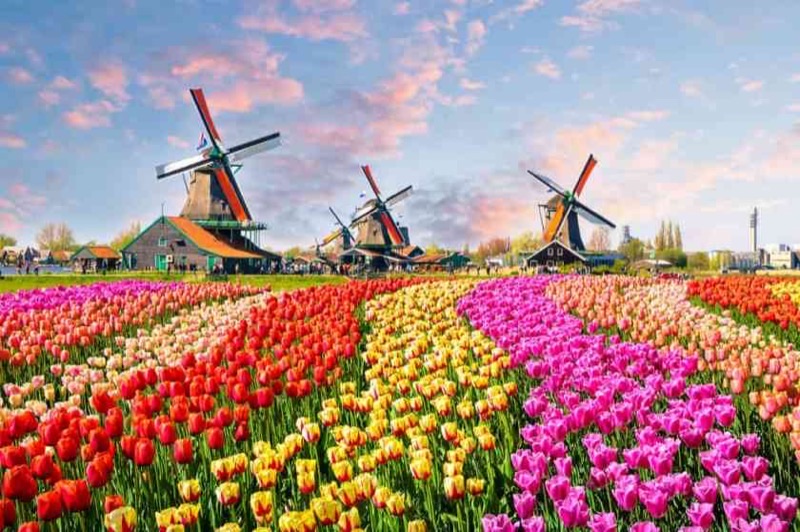
The Netherlands is famously flat, with much of its land reclaimed from the sea. Its natural appeal lies in its cultivated landscapes: expansive tulip fields (Keukenhof entry €19, $21 USD, open spring only), tranquil canals, and coastal beaches. National parks like Hoge Veluwe offer forests and heathlands, often explored by bicycle. While scenic, the scale of natural drama is not comparable to Japan's mountains and volcanoes. Cycling through the countryside is a core outdoor activity. For travelers seeking grand, varied, and wilder natural settings, Japan is the obvious preference. Japan wins for its dramatic and diverse natural environments.
- Winner: Japan
- Why: Japan's mountainous terrain, volcanoes, extensive forests, and hot springs offer a more dramatic and varied natural landscape.
- Who this matters for: Outdoor enthusiasts, hikers, and those who appreciate grand natural scenery.
✅ Safety
Japan is consistently ranked as one of the safest countries globally. Crime rates are exceptionally low. It is common to see people leave phones or bags unattended at cafes, and…
Japan is consistently ranked as one of the safest countries globally. Crime rates are exceptionally low. It is common to see people leave phones or bags unattended at cafes, and lost items are frequently returned to their owners. Walking alone at night, even in major cities like Tokyo or Osaka, is generally without concern. Scams targeting tourists are rare. The sense of personal security is very high, making it an ideal destination for solo travelers, especially women. Local law enforcement is visible but unobtrusive, contributing to the general order. This high level of public honesty and safety reduces travel stress significantly.
The Netherlands is also a safe country for travel, particularly outside major urban centers. However, in popular tourist areas of Amsterdam, pickpocketing and bicycle theft are more common concerns than in Japan. While violent crime is low, travelers should exercise standard urban precautions, especially in crowded spots like Centraal Station or Dam Square. Walking alone at night is generally fine, but awareness of surroundings is always advised. Overall, the Netherlands is safe, but Japan's reputation for near-zero petty crime and exceptional public honesty sets a higher standard. Japan wins for its exceptionally high level of safety and public honesty.
- Winner: Japan
- Why: Japan offers an almost unparalleled level of safety and public honesty, reducing traveler concerns significantly.
- Who this matters for: Solo travelers, families, and anyone prioritizing peace of mind and security.
🛡 Dig deeper: Japan health guide · Netherlands health guide
🛍️ Shopping
Japan offers a diverse and exciting shopping experience, from cutting-edge electronics in Akihabara to high fashion in Ginza and street style in Harajuku. Traditional crafts like…
Japan offers a diverse and exciting shopping experience, from cutting-edge electronics in Akihabara to high fashion in Ginza and street style in Harajuku. Traditional crafts like pottery, textiles, and woodblock prints are available in Kyoto and artisan shops. Anime, manga, and gaming merchandise are plentiful. Department stores like Isetan or Takashimaya are experiences in themselves. Unique souvenirs, like intricate stationery or specialized food products, are abundant. Many stores offer tax-free shopping for tourists on purchases over ¥5,000 ($35 USD), providing good value. The attention to detail in product presentation and customer service is consistently high.
The Netherlands offers a different kind of shopping, focusing on Dutch design, traditional crafts, and specialty foods. Delftware (blue and white pottery) is a popular souvenir. Cheese shops are found everywhere, allowing for tasting and purchases. Flower markets, especially the Bloemenmarkt in Amsterdam, sell bulbs and souvenirs. Fashion boutiques in areas like 'De Negen Straatjes' (The Nine Streets) in Amsterdam offer unique clothing and accessories. Antiques and second-hand markets are also common. While the Netherlands has its charm, Japan's range of products, innovative goods, and distinct subcultures (like anime and electronics) provide a more expansive and often more exciting shopping landscape. Japan wins for its wider range of specialty goods and unique cultural items.
- Winner: Japan
- Why: Japan's shopping scene is incredibly diverse, offering everything from cutting-edge electronics and fashion to intricate traditional crafts and unique pop culture items.
- Who this matters for: Shoppers looking for unique electronics, fashion, crafts, and pop culture items.
🚶♀️ Solo Travel
Japan is an exceptional destination for solo travelers, largely due to its high safety, efficient public transport, and respect for personal space. Solo dining is common and…
Japan is an exceptional destination for solo travelers, largely due to its high safety, efficient public transport, and respect for personal space. Solo dining is common and well-catered for, with ramen shops offering individual booths (e.g., Ichiran). Capsule hotels (¥3,000-5,000, $20-35 USD) are perfect for solo budget travelers. The language barrier is present but manageable in tourist areas, and people are generally very helpful. Navigation is straightforward, even for non-Japanese speakers, thanks to clear signage and Google Maps integration. It is easy to move around independently without feeling isolated, yet also simple to find quiet moments if desired. The sense of security is particularly appealing for solo female travelers.
The Netherlands is also a solid choice for solo travel. It's safe, and the compact size of its cities makes them easy to explore on foot or by bike. The hostel scene in major cities is active, providing good opportunities to meet other travelers. English is widely spoken, significantly reducing communication challenges. Train travel between cities is simple. While social interaction might be easier to initiate due to less of a language barrier, Japan's specific infrastructure catering to solo experiences (individual dining, capsule hotels) combined with its unparalleled safety gives it a slight edge. Japan wins for its unique infrastructure that caters directly to solo travelers and its superior safety.
- Winner: Japan
- Why: Japan's unique solo-traveler infrastructure, including capsule hotels and solo dining, combined with exceptional safety, makes it ideal.
- Who this matters for: Individuals traveling alone who prioritize safety, ease of navigation, and independent experiences.
🎯 The Decision Framework
Choose Japan If…
- You crave distinctly non-Western cultural immersion, from ancient temples to modern pop culture.
- You prioritize exceptionally safe travel, even when exploring late at night.
- You want to experience the world's most efficient and punctual public transport system.
- You are a foodie seeking diverse, high-quality culinary experiences at all price points.
- You are fascinated by dramatic landscapes, from volcanoes to serene forests and hot springs.
- You appreciate meticulous service, attention to detail, and politeness.
- You enjoy unique accommodation options like capsule hotels or traditional ryokans.
- You're interested in shopping for cutting-edge electronics, fashion, or anime merchandise.
Choose Netherlands If…
- You want a relaxed, easily navigable destination with short travel times between cities.
- You enjoy cycling and want to explore cities and countryside on two wheels.
- You are interested in art history, particularly Dutch Masters like Rembrandt and Van Gogh.
- You appreciate charming canal-side architecture and picturesque towns.
- You prefer a destination where English is widely spoken, easing communication.
- You are curious about liberal social policies, including coffee shops and the Red Light District.
- You seek a generally more budget-friendly daily spend compared to other popular destinations.
- You enjoy craft beer and cozy 'brown cafes' for evening entertainment.
❓ Frequently Asked Questions
Which destination is better for a first-time international traveler?
Japan offers a complete departure from Western norms, which can be disorienting but also incredibly rewarding. Its infrastructure is so efficient and safe that navigation, even with a language barrier, is smooth. The Netherlands is easier to navigate with less language barrier, making it a gentler introduction to international travel, but Japan provides a more profound 'first' experience.
What is the typical flight time and cost from the USA to each country?
From major US hubs (e.g., NYC, LAX): Flights to Japan (NRT/HND) are typically 11-14 hours direct, costing $800-1500 USD round trip. Flights to the Netherlands (AMS) are 7-8 hours direct from the East Coast, 10-11 hours from the West Coast, costing $600-1000 USD round trip.
Which country has better public transport for tourists?
Japan's public transport, particularly its Shinkansen (bullet train) network and extensive city subways, is unparalleled for speed, punctuality, and coverage. The Netherlands has a good train system and excellent city transit, but Japan's integrated network is superior for covering large distances efficiently.
Are either countries good for travelers with dietary restrictions?
Both countries require some diligence. In Japan, vegetarian and vegan options are increasing, especially in major cities, but language can be a barrier. Allergen information might not always be in English. The Netherlands is generally more accommodating for vegetarians and gluten-free diets, with more options clearly labeled in English, especially in larger cities like Amsterdam and Utrecht.
Which destination is more family-friendly?
Japan is extremely family-friendly due to its safety, cleanliness, and polite society. Many attractions cater to children, and public spaces are well-maintained. The Netherlands is also family-friendly, with many parks and museums. Japan's cultural experiences might be more novel for older children, while the Netherlands offers more open spaces for younger children.
What are the best seasons to visit each country?
For Japan, spring (March-May) for cherry blossoms and autumn (October-November) for fall foliage are ideal, with comfortable temperatures. For the Netherlands, late spring (April-May) is perfect for tulip fields and pleasant weather, while summer (June-August) offers long daylight hours for cycling and outdoor activities.
Is a JR Pass worth it for Japan, and a train pass for the Netherlands?
The JR Pass (around ¥50,000/$330 USD for 7 days) is often worth it for extensive intercity travel in Japan, especially if you plan multiple Shinkansen trips. For the Netherlands, a dedicated train pass is usually not necessary unless you plan daily long-distance train journeys; individual tickets or an 'OV-chipkaart' (public transport chip card) are often more cost-effective for shorter stays.
Which country offers more opportunities for interacting with locals?
The Netherlands, with its high English proficiency and more outwardly social culture (e.g., in brown cafes), generally offers more casual opportunities for direct interaction with locals. In Japan, while people are helpful, language barriers and cultural norms mean interactions are often more formal, though still enriching.
Ready to plan your next adventure?
Know the tourist scams before you go — documented from real traveler reports.