
How we built this comparison
This page combines traveler discussion patterns, published price ranges, flight schedules, and seasonal data to help you decide between Barcelona and Amsterdam.
- Reviewed Reddit threads from r/travel, r/solotravel, r/Barcelona, r/Amsterdam, r/europetravel.
- Verified costs and logistics against current booking platforms like Booking.com, Skyscanner, and local transport sites.
- Cross-referenced seasonal patterns and weather data from meteorological sources.
⚡ Quick Answers
⚡ The TL;DR Verdict
For travelers prioritizing warm weather, later nights, and a lower daily spend, Barcelona is the clear winner. If your preference is for compact cities, specific museum types, and a more relaxed pace, with a higher budget, Amsterdam is your pick. Most travelers will find Barcelona offers a more diverse experience for less money.
- Choose Barcelona: You want good weather, access to beaches, energetic nightlife that starts late, and a wider variety of affordable food options. It suits budget-conscious travelers or those looking for a longer trip.
- Choose Amsterdam: You prefer cooler weather, specific art museums, canal-based scenery, and don't mind a higher daily budget. It's good for short trips or those focused on specific cultural institutions.
- Choose Both: To experience both, allocate at least 4-5 days for each city, totaling 10-12 days including travel. A direct flight between them takes about 2 hours.
📊 Visual Scorecard
🌤 When to Visit
Average high temperatures (°C). Green = best months, orange = avoid.
Quick Comparison
| Category | Barcelona | Amsterdam | Winner |
|---|---|---|---|
| Food & Drink | Tapas, paella, fresh seafood, late dinners, vermuterias. Generally affordable and diverse. | Stroopwafels, fries, cheese, Indonesian food, coffee shops. Can be pricier, more casual options. | |
| Nightlife | Late-night clubs, lively bars, beach parties, extensive options for all preferences. Starts late. | Brown cafes, specific clubs, live music venues. More contained, generally finishes earlier. | |
| Culture & History | Gaudí architecture, Gothic Quarter, Roman ruins, Catalan identity, museums. | Canals, Golden Age art, Anne Frank House, specific museums, historic merchant houses. | |
| Costs | Generally more affordable. Daily budget €80-150. Good value on food, transport, and hostels. | Higher costs. Daily budget €120-200. Accommodation and sit-down meals are pricier. | |
| Getting There | Barcelona-El Prat Airport (BCN) is a major hub, good connections to Europe and Americas. | Amsterdam Airport Schiphol (AMS) is a major global hub, excellent connections worldwide. | Tie |
| Getting Around | Extensive metro and bus system, walkable central areas, cycling infrastructure. | Compact and highly walkable, excellent tram system, very bike-friendly. | Tie |
| Accommodation | Wide range of hostels, mid-range hotels, apartments. Generally better value. | Higher prices for hostels and hotels, limited budget options, smaller rooms. | |
| Day Trips | Montserrat, Girona, Tarragona, Sitges. Diverse historical sites, nature, beaches. | Zaanse Schans, Keukenhof (seasonal), Utrecht, The Hague. Quaint towns, specific attractions. | |
| Weather & Seasons | Hot, sunny summers. Mild winters. Pleasant springs and autumns. Beach season is long. | Mild, sometimes rainy summers. Cold, damp winters. Often overcast. | |
| Safety | Generally safe, but pickpocketing is common in tourist areas. Be aware of surroundings. | Generally very safe. Low violent crime, but watch for petty theft in busy areas. | Amsterdam |
🍽️ Food & Drink
Barcelona's food scene is excellent for exploration, with a range of prices and styles. You can find €3-5 tapas at places like Bar del Pla or Cal Pep, or a full paella for €15-25…
Barcelona's food scene is excellent for exploration, with a range of prices and styles. You can find €3-5 tapas at places like Bar del Pla or Cal Pep, or a full paella for €15-25 per person. Mercat de la Boqueria offers fresh produce and small bites. Dinner typically starts at 9 PM or later. Craft beer and vermut are popular, with a pint costing around €4-6 ($4.30-$6.50). Street food is less common than sit-down tapas or bocadillos.
Amsterdam's food is more about specific experiences. Indonesian rijsttafel at places like Restaurant Blauw is a highlight, costing €30-50 ($32-$54) per person. Street snacks like stroopwafels (€2, $2.15) and herring (€5, $5.40) are common. Sit-down meals, especially dinner, are generally more expensive, with a main course often €20-35 ($21.50-$38). Coffee shops are prevalent, but the food there is typically casual and often pre-made. Barcelona offers a more consistently rewarding and diverse culinary journey for a lower cost.
- Winner: Barcelona
- Why: Barcelona provides a broader array of quality, affordable dining experiences, especially for dinner and small plates.
- Who this matters for: Foodies, budget travelers, people who enjoy late dining
🎉 Nightlife
Barcelona is known for its energetic nightlife that extends well into the morning. Clubs like Razzmatazz and Opium Mar (by the beach) often dont get going until 1 AM, with cover…
Barcelona is known for its energetic nightlife that extends well into the morning. Clubs like Razzmatazz and Opium Mar (by the beach) often dont get going until 1 AM, with cover charges typically €15-25 ($16-$27) including a drink. There are numerous bars in El Born and Gràcia that offer drinks for €7-10 ($7.50-$11) and stay open until 3 AM. Beach bars (chiringuitos) provide a relaxed evening atmosphere. The city’s late-night culture means public transport runs late on weekends.
Amsterdam's nightlife is more focused on its traditional 'brown cafes' (pubs) which close by 1-2 AM, with beer costing €5-7 ($5.40-$7.50) a pint. Larger clubs like De School or Shelter are popular but often require specific tickets and can be quite exclusive. The Red Light District has its own specific offerings, but is not representative of all nightlife. Getting around late can be expensive with taxis if you miss the last tram. For those seeking late-night activity and extensive choices, Barcelona is the stronger contender.
- Winner: Barcelona
- Why: Barcelona provides more extensive, later, and diverse nightlife options with a distinct energy.
- Who this matters for: Party-goers, young travelers, people who enjoy staying out late
🏛️ Culture & History
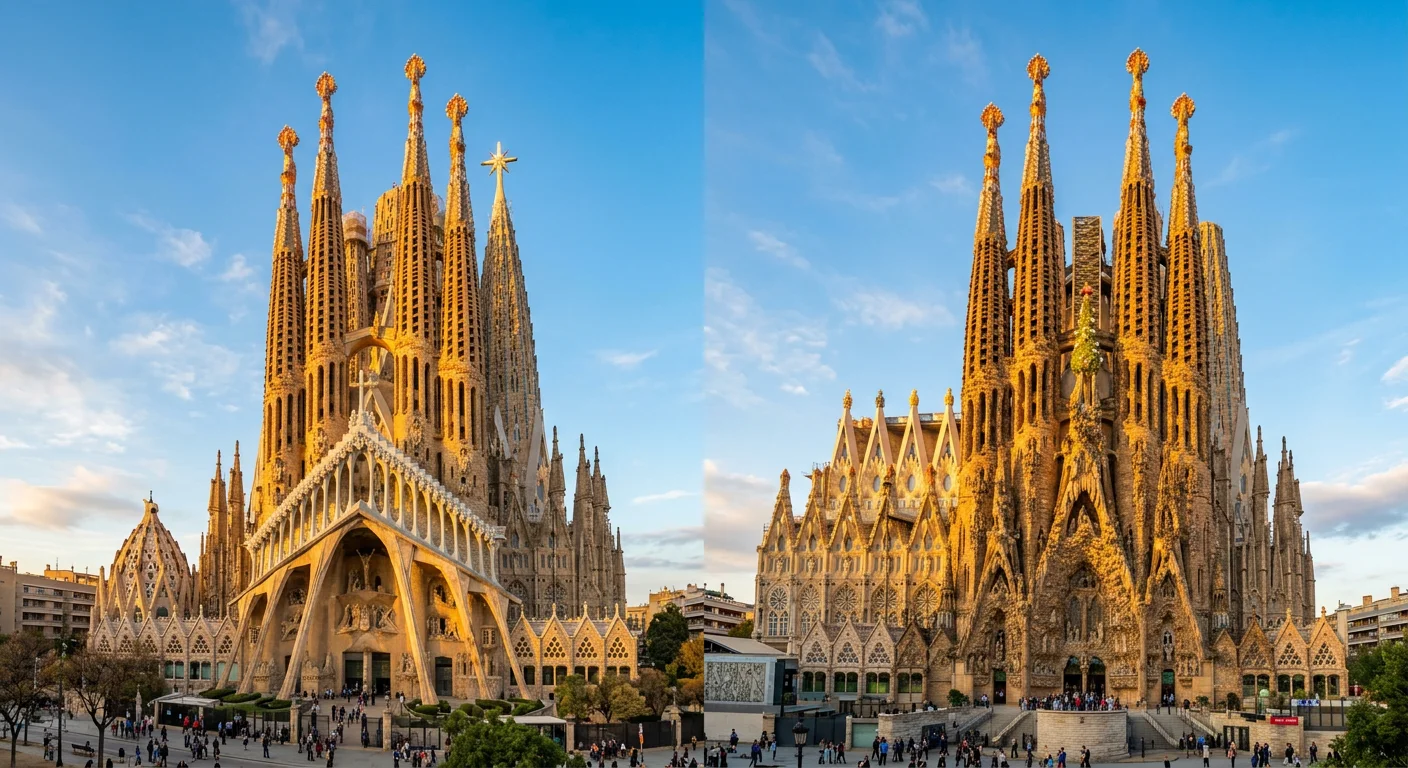
Barcelona offers a blend of ancient history and modern art. The Gothic Quarter has remains from Roman Barcino. Antoni Gaudí's works, like Sagrada Familia (€26-30, $28-$32) and…
Barcelona offers a blend of ancient history and modern art. The Gothic Quarter has remains from Roman Barcino. Antoni Gaudí's works, like Sagrada Familia (€26-30, $28-$32) and Park Güell (€10, $11), are central to the city's visual identity. The Picasso Museum (€12, $13) and MNAC (National Museum of Catalan Art, €12, $13) provide art context. The city feels layered, with medieval streets sitting alongside modernist designs, presenting a broad historical scope. Catalan language and traditions are noticeable elements.
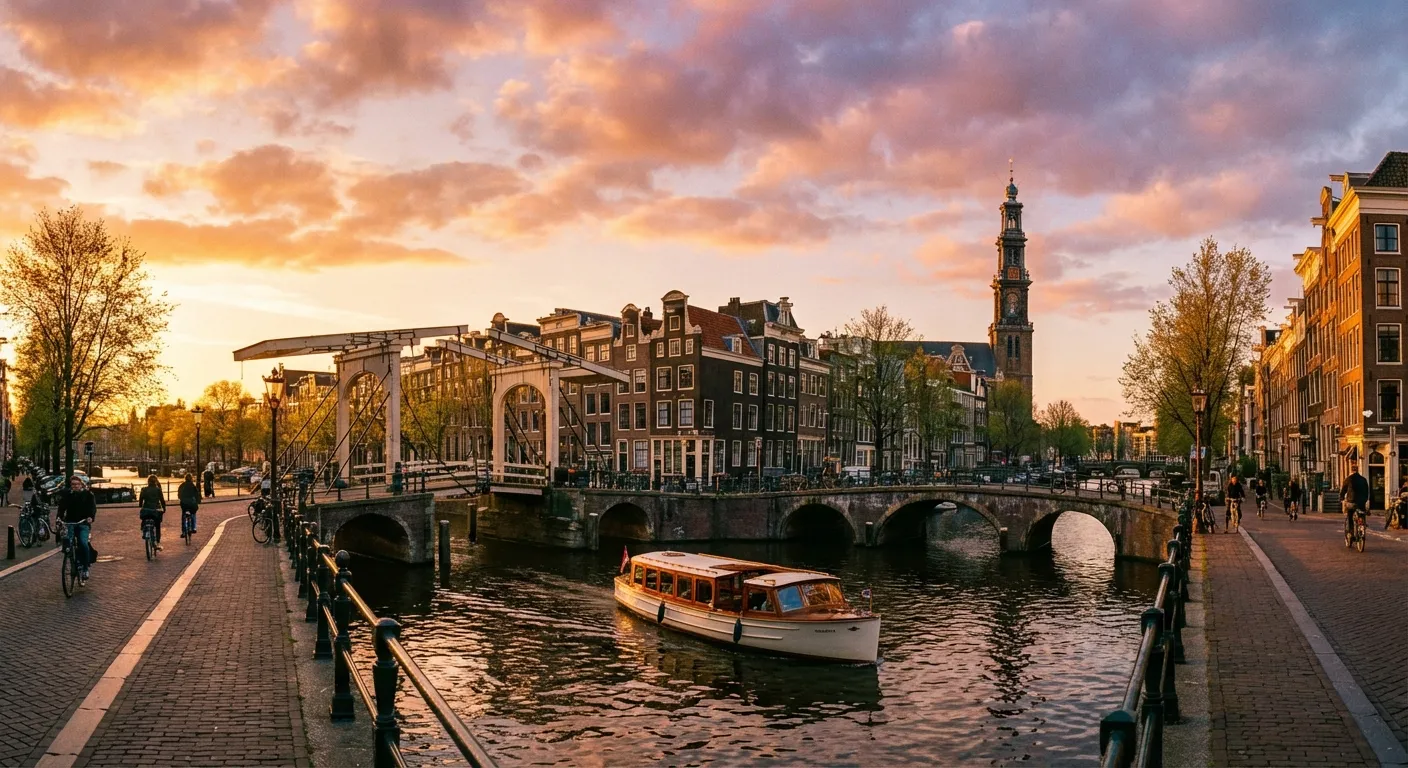
Amsterdam’s historical appeal centers on its canals and 17th-century merchant houses. Major art museums like the Rijksmuseum (€22.50, $24) and the Van Gogh Museum (€22, $23.50) are primary draws. The Anne Frank House (€16, $17) is a significant and often somber experience, requiring advance booking. While specific, Amsterdam's cultural offerings are generally less varied than Barcelona's, focusing more on the Dutch Golden Age and specific social histories. Barcelona's combination of architectural innovation, historical depth, and distinct regional culture provides a more comprehensive cultural exploration.
- Winner: Barcelona
- Why: Barcelona offers a broader and more diverse range of historical periods and artistic movements to explore.
- Who this matters for: Architecture enthusiasts, art lovers, history buffs seeking varied eras
💰 Costs
Barcelona is comparatively more budget-friendly. Hostel beds can be found for €25-40 ($27-$43) per night. Mid-range hotels typically start around €80-120 ($86-$130). A set lunch…
Barcelona is comparatively more budget-friendly. Hostel beds can be found for €25-40 ($27-$43) per night. Mid-range hotels typically start around €80-120 ($86-$130). A set lunch menu (menu del día) can be €12-18 ($13-$19.50) for multiple courses. Public transport (metro/bus) is efficient and affordable, with a T-Casual 10-trip card costing €11.35 ($12.20). Museum entry fees average €10-15 ($11-$16). You can easily enjoy the city on €80-150 ($86-$162) a day by balancing experiences.
Amsterdam is noticeably more expensive across the board. Hostel beds are often €35-60 ($38-$65) per night. Mid-range hotels are rarely below €120-180 ($130-$195). Dining out, especially for dinner, tends to be pricier, with a casual meal often €15-25 ($16-$27). Public transport (tram/metro) single tickets are €3.20 ($3.45), with daily passes starting around €8.50 ($9.20). Museum entry fees are typically €15-25 ($16-$27). A comfortable daily budget usually starts at €120-200 ($130-$215). Barcelona offers better value for money, allowing for a longer trip or more experiences.
- Winner: Barcelona
- Why: Barcelona consistently provides better value across accommodation, food, and daily activities, making travel more accessible.
- Who this matters for: Budget travelers, long-term travelers, students
✈️ Getting There
Barcelona-El Prat Airport (BCN) is a large international airport with direct flights to many major cities in Europe, North America, and beyond. From New York (JFK), a direct…
Barcelona-El Prat Airport (BCN) is a large international airport with direct flights to many major cities in Europe, North America, and beyond. From New York (JFK), a direct flight is typically 7.5-8 hours. It's well-connected to the city center by metro, train, and bus, with travel times around 25-35 minutes. Ticket prices from North America can range from $500-900 roundtrip depending on the season and booking time.
Amsterdam Airport Schiphol (AMS) is one of Europe's busiest airports, acting as a major hub with extensive global connections. Direct flights from New York (JFK) are usually 7-7.5 hours. Schiphol has a direct train connection to Amsterdam Centraal Station, taking about 15-20 minutes. Roundtrip flight prices from North America are similar to Barcelona, often in the $500-900 range. Both airports are highly efficient and well-connected, offering comparable ease of access for international travelers.
- Winner: Tie
- Why: Both cities have excellent international airports with efficient connections to their city centers.
- Who this matters for: All travelers, especially those flying internationally
🚶 Getting Around
Barcelona's public transport is excellent, featuring a comprehensive metro, bus, and tram network. A T-Casual card offers 10 rides for €11.35 ($12.20), making it very affordable.…
Barcelona's public transport is excellent, featuring a comprehensive metro, bus, and tram network. A T-Casual card offers 10 rides for €11.35 ($12.20), making it very affordable. The central areas like the Gothic Quarter, El Born, and Eixample are easily walkable, with most major attractions located within reasonable distances. Cycling is also an option, with Bicing rental stations available for residents, though tourist rentals are common. The city is generally easy to navigate for visitors, with good signage and clear routes.
Amsterdam is a notably compact city, making it highly walkable, especially within the canal belt. The tram system is comprehensive and efficient for longer distances, with single tickets at €3.20 ($3.45) or multi-day passes available. Cycling is a primary mode of transport for residents and visitors, with numerous rental shops offering bikes for €10-15 ($11-$16) per day. While the city's pedestrian- and bike-first approach can sometimes feel intense with the number of cyclists, it’s an effective way to explore. Both cities offer highly efficient and user-friendly transport options, catering to different preferences.
- Winner: Tie
- Why: Both cities excel in efficient public transport and walkability, offering different but equally effective ways to navigate.
- Who this matters for: All travelers, especially those who rely on public transport or enjoy walking/cycling
🏨 Accommodation
Barcelona offers a broad spectrum of accommodation options that cater to different budgets. Hostels like Generator Barcelona or Pars Teatro Hostel can be found for €25-40…
Barcelona offers a broad spectrum of accommodation options that cater to different budgets. Hostels like Generator Barcelona or Pars Teatro Hostel can be found for €25-40 ($27-$43) per night for a dorm bed. Mid-range hotels in central areas such as Eixample or Gothic Quarter often start around €80-120 ($86-$130) for a double room. There are also many rental apartments available, which can be cost-effective for groups or longer stays. Availability is usually good, except during major festivals, and rooms often feel spacious by European standards.
Amsterdam accommodation is generally more expensive and rooms can be smaller. Hostel dorms, even popular ones like Stayokay Vondelpark or Flying Pig Downtown, typically cost €35-60 ($38-$65) per night. Mid-range hotels, especially within the canal ring, frequently start at €120-180 ($130-$195) for a double room, and can be significantly higher. Space is often a premium in Amsterdam's older buildings. Booking well in advance is advisable, particularly for peak season. Barcelona provides more affordable and spacious lodging options.
- Winner: Barcelona
- Why: Barcelona offers better value and more spacious options across hostel and mid-range hotel categories.
- Who this matters for: Budget travelers, families, those seeking more space for their money
🗺️ Day Trips
Barcelona serves as an excellent base for various day trips. Montserrat, with its monastery and unique rock formations, is easily reached by train and cable car (€25-30 roundtrip…
Barcelona serves as an excellent base for various day trips. Montserrat, with its monastery and unique rock formations, is easily reached by train and cable car (€25-30 roundtrip for transport). Girona, a medieval city with a compelling old town, is a 40-minute train ride (€10-15). Tarragona offers Roman ruins and a seaside setting. Sitges provides a coastal escape with good beaches. Each destination offers a distinct experience, from mountain religious sites to Roman history and beach relaxation. The variety of easily accessible excursions enhances a longer stay.
Amsterdam's day trip options include Zaanse Schans (€10 train, then walk) for windmills and traditional Dutch houses, which can feel quite touristy. Keukenhof (seasonal, March-May) is a popular tulip garden, requiring a special bus connection and entry (€30-40 total). Utrecht is a smaller, quieter canal city with a distinct university atmosphere, 30 minutes by train (€8-10). The Hague offers government buildings and the Mauritshuis museum. While pleasant, Amsterdam's day trips are often more specialized or focused on specific Dutch themes. Barcelona's surrounding region offers greater variety in historical sites and natural landscapes for day explorations.
- Winner: Barcelona
- Why: Barcelona's proximity to a wider range of historical, natural, and coastal attractions makes for more diverse day trip options.
- Who this matters for: Travelers seeking varied experiences outside the main city, history buffs, nature lovers
☀️ Weather & Seasons
Barcelona experiences a Mediterranean climate. Summers (June-August) are hot and sunny, with average highs around 28-30°C (82-86°F), making beach activities popular. Spring…
Barcelona experiences a Mediterranean climate. Summers (June-August) are hot and sunny, with average highs around 28-30°C (82-86°F), making beach activities popular. Spring (April-May) and autumn (September-October) offer very pleasant temperatures, typically 18-24°C (64-75°F), ideal for walking and sightseeing. Winters (November-March) are mild, with averages around 10-15°C (50-59°F) and infrequent rain. You can comfortably visit Barcelona almost year-round and expect agreeable conditions, with a long shoulder season.
Amsterdam has a temperate maritime climate. Summers (June-August) are mild, with average highs around 20-22°C (68-72°F), but rain is common. Spring (April-May) can be cool, especially in April, with averages 10-15°C (50-59°F). Autumn (September-October) is similar, with increasing chances of rain. Winters (November-March) are cold and damp, often hovering around 0-5°C (32-41°F), with short daylight hours. The weather can be changeable, requiring layers. For consistent warmth and sunshine, Barcelona has a more favorable climate profile for most travelers.
- Winner: Barcelona
- Why: Barcelona offers a warmer, sunnier climate with a longer comfortable travel season, including beach weather.
- Who this matters for: Sun-seekers, those sensitive to cold, travelers who prefer outdoor activities
🚨 Safety
Barcelona is generally a safe city for visitors, but it has a notable issue with petty crime, specifically pickpocketing. This is particularly prevalent in crowded tourist areas…
Barcelona is generally a safe city for visitors, but it has a notable issue with petty crime, specifically pickpocketing. This is particularly prevalent in crowded tourist areas like La Rambla, Gothic Quarter, metro stations, and around major attractions like Sagrada Familia. Travelers are advised to keep belongings secure, avoid carrying excessive cash, and be aware of common distraction techniques. Violent crime is low, but vigilance is required, especially at night in less-trafficked areas. Reports of phone snatching are also common.
Amsterdam is considered a very safe city for tourists. Violent crime is low. Petty theft, similar to any major European city, can occur in crowded areas like Centraal Station, Dam Square, and the Red Light District, so basic precautions are advised. Cyclists should be aware of bike theft. Generally, visitors can feel comfortable walking around at night, though solo female travelers should always exercise caution. Amsterdam's overall crime rates and specific risks tend to be lower than Barcelona's, offering a slightly more relaxed experience regarding personal security.
- Winner: Amsterdam
- Why: Amsterdam generally has lower rates of petty crime and provides a more secure feeling for travelers.
- Who this matters for: Solo travelers, families, those concerned about petty theft
🛡 Dig deeper: Barcelona scam guide · Amsterdam scam guide
🎯 The Decision Framework
Choose Barcelona If…
- You want affordable and delicious food, especially tapas.
- You enjoy energetic nightlife that begins late and extends into the morning.
- You seek warm weather and access to urban beaches.
- You appreciate unique architecture from Antoni Gaudí.
- You prefer a longer trip with a lower daily budget.
- You want diverse day trip options including mountains, history, and coast.
- You like being outdoors, walking, or enjoying city parks.
- You are comfortable with a lively, sometimes crowded atmosphere.
Choose Amsterdam If…
- You prefer a compact, highly walkable city with canals.
- You are interested in specific art museums like the Rijksmuseum or Van Gogh Museum.
- You enjoy cycling as a primary mode of transport.
- You prefer a city with a generally calmer pace, especially in the evenings.
- You are comfortable with a higher daily travel budget.
- You want to experience traditional 'brown cafes' and unique Dutch culture.
- You appreciate efficient and scenic public transport like trams.
- You prioritize a very low risk of petty street crime.
❓ Frequently Asked Questions
Which city is better for a first-time solo traveler?
Both cities are good, but Amsterdam edges out Barcelona slightly due to its compact size and lower reported rates of petty crime like pickpocketing. Barcelona is still manageable, but requires more vigilance, especially with valuables in crowded areas. A solo traveler in Amsterdam might budget €120-180 ($130-$195) daily, while Barcelona could be €80-140 ($86-$150).
What is the typical flight time from the USA to each city?
From major East Coast cities like New York (JFK), direct flights to Amsterdam (AMS) typically take around 7 to 7.5 hours. Direct flights to Barcelona (BCN) usually take about 7.5 to 8 hours. West Coast flights generally add 4-5 hours to these times, often requiring a connection.
Which city has better weather for a spring trip?
Barcelona generally offers warmer and sunnier weather during spring (April-May), with average temperatures between 18-24°C (64-75°F). Amsterdam during the same period can be cooler, averaging 10-15°C (50-59°F), and is more prone to rain and overcast skies. If consistent warmth is a priority, Barcelona is better.
Is public transport easy to use in both cities?
Yes, both cities have excellent and intuitive public transport systems. Barcelona uses a metro and bus network, with a 10-trip T-Casual card costing €11.35 ($12.20). Amsterdam relies heavily on its tram network, with single tickets at €3.20 ($3.45) and multi-day passes available. Both are very efficient for getting around.
Which city offers more budget-friendly dining?
Barcelona consistently offers more budget-friendly dining. You can find excellent tapas for €3-5 ($3.20-$5.40) and a full lunch menu del día for €12-18 ($13-$19.50). In Amsterdam, casual meals often start at €15-25 ($16-$27) for a main dish, making it pricier for everyday eating.
How many days are recommended for each city?
For Barcelona, 4-5 full days allow you to see the main sights, enjoy the food, and perhaps a half-day trip to the beach. For Amsterdam, 3-4 full days are usually sufficient to explore the canals, visit a couple of museums, and experience the city's atmosphere. A shorter trip to Amsterdam is more feasible given its compact nature.
Which city is better for late-night entertainment?
Barcelona is superior for late-night entertainment. Its clubs and bars often dont become busy until after midnight and stay open until 6 AM or later. Amsterdam's nightlife is more contained, with most traditional bars closing by 1-2 AM, and larger clubs requiring specific planning and entry.
Are there good beaches near either city?
Yes, Barcelona has urban beaches directly accessible from the city center, like Barceloneta, which are popular for sunbathing and swimming. There are also nice coastal towns like Sitges reachable by train for better beach experiences. Amsterdam is not on the coast and does not have city beaches, though it does have some man-made city parks with sand called 'city beaches' that are not for swimming.
Ready to plan your Europe trip?
Know the tourist scams before you go — documented from real traveler reports.