
How we built this comparison
This page combines traveler discussion patterns, published price ranges, flight schedules, and seasonal data to help you decide between Florence and Barcelona.
- Reviewed Reddit threads from r/travel, r/solotravel, r/ItalyTravel, r/SpainTravel
- Verified costs and logistics against current booking platforms like Google Flights, Booking.com, and local transport sites
- Cross-referenced seasonal patterns and weather data from meteorological sources
⚡ Quick Answers
⚡ The TL;DR Verdict
For most travelers seeking a classic, art-focused European experience with excellent food, Florence is the slightly better pick. Barcelona suits those who prioritize beaches, late-night activity, and distinct architecture. Budget-wise, both are mid-range, with Barcelona sometimes offering slightly better value on accommodation outside peak times.
- Choose Florence: You prioritize Renaissance art, history, quiet evenings, and rich Tuscan cuisine. Ideal for a slower pace and art immersion.
- Choose Barcelona: You want striking architecture, a beach close by, late-night dining and drinking, and a lively, cosmopolitan energy. Good for a more active holiday.
- Choose Both: If you have 10-14 days, combine them by flying from Florence (FLR) to Barcelona (BCN) via a connection, or take a high-speed train to Rome, then fly direct. This offers a broad taste of both Italian and Spanish culture.
📊 Visual Scorecard
🌤 When to Visit
Average high temperatures (°C). Green = best months, orange = avoid.
Quick Comparison
| Category | Florence | Barcelona | Winner |
|---|---|---|---|
| Culture & History | Renaissance art and architecture dominate, with world-renowned galleries and historical sites. A city of profound artistic legacy. | Modernist architecture, particularly Gaudís works, defines the city. Roman and Gothic influences are also present, creating a layered history. | Florence |
| Food & Drink | Tuscan cuisine is hearty, ingredient-focused, and celebrated globally. Expect pasta, steak, and excellent local wine. | Catalan cuisine features tapas, seafood, and specific regional dishes. Dining is often a social, late-night affair. | Florence |
| Nightlife | Generally quieter, focused on wine bars and relaxed pubs. Not a major clubbing destination. | Known for late-night bars, clubs, and beach parties. The city comes alive after dark, particularly on weekends. | |
| Costs & Budget | Generally moderate to high, especially for accommodation in the historic center. Food can be budget-friendly with local options. | Moderate, with accommodation sometimes more affordable outside peak summer. Tapas can be a budget-friendly way to eat. | Tie |
| Getting There | Florence has a small airport (FLR) with connections, or easily reached via Pisa (PSA) or Bologna (BLQ). High-speed trains connect to major Italian cities. | Barcelona has a large international airport (BCN) with many direct flights from around the globe. Good high-speed train connections within Spain. | |
| Getting Around | Florence is very walkable. The historic center is mostly pedestrianized, making walking the primary mode of transport. | Barcelona has an excellent metro system and is walkable in many areas, though distances between attractions can be longer. | Florence |
| Accommodation | Historic buildings dominate, offering boutique hotels and guesthouses. Prices are higher in the very center. | A wide range of options from hostels to luxury hotels, with varied pricing depending on neighborhood and season. | |
| Day Trips | Access to Tuscan hill towns, Siena, San Gimignano, and the Chianti wine region. Ideal for scenic drives and cultural exploration. | Coastal towns like Sitges, Montserrat monastery, and Girona are popular. Offers a mix of beaches, mountains, and medieval towns. | Florence |
| Weather & Seasons | Hot, humid summers; mild springs and autumns with pleasant temperatures; cool, damp winters. | Hot, dry summers; mild, pleasant springs and autumns; cool, damp winters, sometimes with strong winds. | Tie |
| Solo Travel & Safety | Generally safe, with low violent crime. Pickpocketing can occur in crowded tourist areas. Evenings are quiet and calm. | Generally safe, but pickpocketing is a significant concern, especially in tourist hot spots and on public transport. Evenings are lively. | Florence |
🏛️ Culture & History
Florence stands as a monument to the Renaissance. Its streets are full of masterpieces, from Michelangelos David at the Accademia Gallery to Botticellis The Birth of Venus at the…
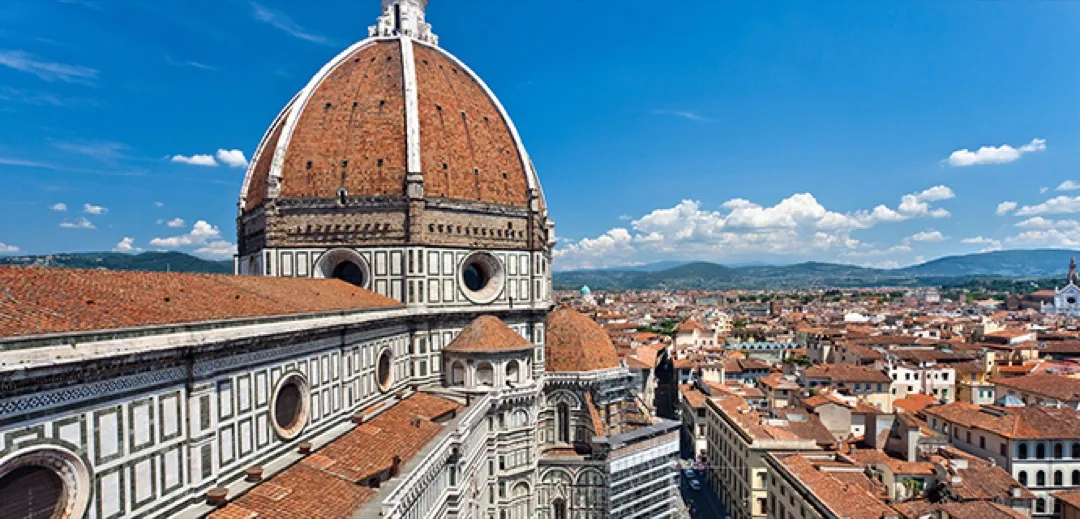
Florence stands as a monument to the Renaissance. Its streets are full of masterpieces, from Michelangelos David at the Accademia Gallery to Botticellis The Birth of Venus at the Uffizi Gallery. The Duomo, Santa Croce, and Palazzo Pitti offer deep dives into art, power, and faith. You can spend days exploring museums and churches, with most entry tickets ranging from €15-25 (USD 16-27). Guided tours of the Uffizi can be around €60-80 (USD 65-87), offering detailed context.
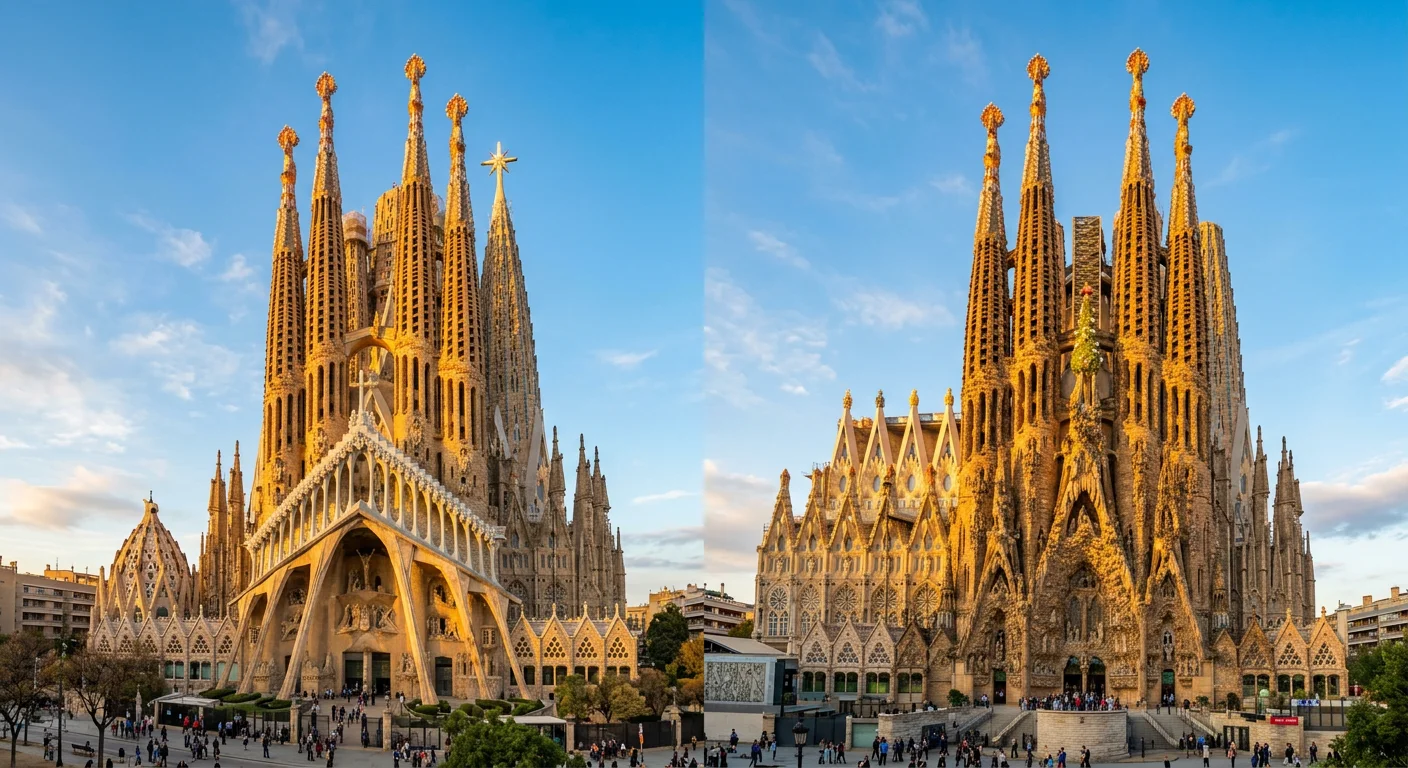
Barcelona presents a different historical narrative, largely defined by Antoni Gaudís Modernisme. Sagrada Familia, Park Güell, Casa Batlló, and La Pedrera showcase a unique architectural vision. Entry to Sagrada Familia is around €30-36 (USD 32-39), while Park Güell tickets are about €10 (USD 11). The Gothic Quarter offers a contrast with its narrow alleys and Roman walls, and the Picasso Museum provides insight into the artists early years. However, the sheer density of globally significant art in Florence gives it an edge for pure historical immersion.
tabiji verdict: Florence offers a more concentrated and impactful journey through a pivotal period of human artistic achievement.
- Winner: Florence
- Why: Florence provides a deeper, more concentrated immersion into globally significant Renaissance art and history.
- Who this matters for: Art historians, art lovers, and those seeking classical European aesthetic experiences.
🍝 Food & Drink
Florentine food is straightforward and delicious. Think homemade pasta like Pappardelle al Cinghiale (wild boar ragu), massive Bistecca alla Fiorentina, and lampredotto from…
Florentine food is straightforward and delicious. Think homemade pasta like Pappardelle al Cinghiale (wild boar ragu), massive Bistecca alla Fiorentina, and lampredotto from street vendors for €4-6 (USD 4-7). Trattorias like Trattoria Mario offer authentic, no-frills experiences for around €20-30 (USD 22-32) per person. Wine from Chianti and Brunello regions is abundant and affordable. Aperitivo is less of a formal concept than in northern Italy, but enotecas offer excellent wine by the glass with small bites. Mercato Centrale is a top spot for diverse food stalls.
Barcelona excels in tapas culture. You can hop between bars like Bar del Pla or Cal Pep, sampling patatas bravas, jamón ibérico, and fresh seafood. A good tapas meal with drinks might cost €25-40 (USD 27-44) per person. Paella is popular, though often better found along the coast than in central tourist spots. Cava, a sparkling wine, is the local drink. Dinner often starts around 9 PM or later. While Barcelona has fantastic food, the consistent quality and global renown of Tuscan cuisine give Florence a slight edge for many travelers looking for a quintessential culinary experience.
tabiji verdict: While both offer great food, Florence provides a more consistently high-quality and globally recognized culinary experience for its regional specialties.
- Winner: Florence
- Why: Florence offers a more consistently high-quality and globally recognized culinary experience focused on rich, regional specialties.
- Who this matters for: Foodies, those prioritizing traditional European flavors, and wine enthusiasts.
🕺 Nightlife
Florence offers a more subdued evening scene. Bars around Santo Spirito Square or Oltrarno provide a pleasant atmosphere for drinks. Places like La Terrazza Rooftop Bar or Moyo…
Florence offers a more subdued evening scene. Bars around Santo Spirito Square or Oltrarno provide a pleasant atmosphere for drinks. Places like La Terrazza Rooftop Bar or Moyo offer cocktails for €10-15 (USD 11-16). There are a few pubs, but large clubs are not a defining feature. Most activity winds down by midnight, though some student-oriented bars stay open later. If you are looking for quiet drinks and conversation, Florence is suitable.
Barcelona is a city that wakes up at night. The Gothic Quarter, El Born, and Gràcia districts are packed with lively bars. Clubs like Razzmatazz and Opium on the beach operate until the early morning, with entry fees typically €15-25 (USD 16-27), often including a drink. Drinks at bars range from €6-12 (USD 7-13). There is a broader selection of venues, from rooftop terraces to electronic music clubs, catering to diverse preferences and much later hours. The energy is simply higher and more expansive here.
tabiji verdict: Barcelona undeniably wins for its diverse, energetic, and significantly longer nightlife options.
- Winner: Barcelona
- Why: Barcelona offers a far more extensive, diverse, and late-running nightlife scene compared to Florence.
- Who this matters for: Party-goers, young travelers, and those who enjoy late evenings out.
💸 Costs & Budget
In Florence, a mid-range daily budget is around €100-160 (USD 108-174). Accommodation in a decent 3-star hotel can be €100-180 (USD 108-195) per night. Museum entries are €15-25…
In Florence, a mid-range daily budget is around €100-160 (USD 108-174). Accommodation in a decent 3-star hotel can be €100-180 (USD 108-195) per night. Museum entries are €15-25 (USD 16-27). Eating at trattorias for lunch or dinner costs €20-40 (USD 22-44), but pizza slices for €3-5 (USD 3-5) and paninis for €5-8 (USD 5-9) are cheap options. Public transport is affordable at €1.50 (USD 1.60) per ride. High-season travel significantly increases accommodation costs.
Barcelona also falls into a mid-range bracket, roughly €90-150 (USD 98-163) per day. Hotel rooms can be slightly cheaper, around €90-160 (USD 98-174) for a 3-star. Tapas can keep food costs down, with a meal averaging €25-40 (USD 27-44), or cheaper if grazing. Museum entries are similar, around €10-30 (USD 11-32). Public transport is €2.40 (USD 2.60) per single ticket, or cheaper with a T-Casual multi-journey pass for €11.35 (USD 12.30) for 10 rides. Both cities allow for budget travel if you are careful with choices, but luxury options are also readily available. They are quite comparable overall.
tabiji verdict: Both cities are comparable in overall cost, offering options for various budgets depending on travel style and accommodation choices.
- Winner: Tie
- Why: Both cities offer similar cost structures for accommodation, food, and attractions, allowing for various budget levels.
- Who this matters for: All travelers who are budget-conscious but still want quality experiences.
✈️ Getting There
Getting to Florence often involves flying into Florence Peretola Airport (FLR), which has limited direct international flights, mostly within Europe. Many travelers fly into Pisa…
Getting to Florence often involves flying into Florence Peretola Airport (FLR), which has limited direct international flights, mostly within Europe. Many travelers fly into Pisa (PSA), a 1-hour train ride away, or Bologna (BLQ), about 1.5 hours by train. From major European hubs like London, a flight to Pisa might be €50-150 (USD 55-163), taking around 2 hours. From New York, flights to Florence or Pisa with one stop are typically 10-12 hours and cost €700-1200 (USD 760-1300).
Barcelona El Prat Airport (BCN) is a major international hub, offering numerous direct flights from North America, Asia, and across Europe. A direct flight from New York to Barcelona typically takes 7.5-8 hours and costs €600-1100 (USD 650-1200). Within Europe, direct flights from London are common, costing €40-120 (USD 43-130) and taking about 2 hours. The direct accessibility, with more flight options and often better pricing, makes Barcelona simpler to reach for many travelers, especially from outside Europe.
tabiji verdict: Barcelona is generally easier and often cheaper to reach due to its larger airport and direct flight options from more global locations.
- Winner: Barcelona
- Why: Barcelona has a larger international airport with more direct flight options, making it more accessible from global origins.
- Who this matters for: International travelers, those with limited time, and budget-conscious fliers.
🚶 Getting Around
Florence is a city designed for walking. Its compact historic center means you can easily walk from the Duomo to the Uffizi, Ponte Vecchio, and Palazzo Pitti within 15-20 minutes.…
Florence is a city designed for walking. Its compact historic center means you can easily walk from the Duomo to the Uffizi, Ponte Vecchio, and Palazzo Pitti within 15-20 minutes. Most major attractions are within a 20-30 minute walk of each other. Buses are available for longer distances or getting to areas outside the main center, with tickets costing €1.50 (USD 1.60) for 90 minutes. Taxis are present but often unnecessary for central travel. The sheer ease of navigating on foot is a significant advantage.
Barcelona is also quite walkable in areas like the Gothic Quarter or El Born, but attractions like Sagrada Familia, Park Güell, and Barceloneta Beach are spread out. The metro system is efficient, clean, and extensive, making it easy to cover longer distances quickly. A single metro ticket costs €2.40 (USD 2.60), and a T-Casual pass for 10 rides is €11.35 (USD 12.30). Buses and trams supplement the metro. While Barcelona has excellent public transport, the necessity of using it more frequently compared to Florence reduces its walkability score.
tabiji verdict: Florence wins for its exceptional walkability, allowing for effortless exploration of its main sights without relying on public transport.
- Winner: Florence
- Why: Florence is a supremely walkable city, allowing effortless exploration of its main sights without relying on public transport.
- Who this matters for: Travelers who prefer to explore on foot, those with limited mobility, and anyone wanting to save on transport costs.
🏨 Accommodation
In Florence, accommodation often consists of charming boutique hotels, guesthouses, and apartments within historic palazzi. A good 3-star hotel in the center might cost €100-180…
In Florence, accommodation often consists of charming boutique hotels, guesthouses, and apartments within historic palazzi. A good 3-star hotel in the center might cost €100-180 (USD 108-195) per night. Finding budget hostels is possible, but they are less common and often further out. Hotels like Hotel Pitti Palace al Ponte Vecchio offer a prime location for around €150-250 (USD 163-270). During peak season, prices surge, and availability drops quickly. The historic nature means rooms can sometimes be smaller or older.
Barcelona offers a broader spectrum of accommodation. You can find hostels in areas like El Raval for €30-60 (USD 32-65) per night, or stylish 3-star hotels in Eixample for €90-160 (USD 98-174). Neighborhoods like Gràcia offer more local apartment rentals. Luxury hotels, like Hotel Arts Barcelona, are plentiful. The sheer volume and variety across different neighborhoods mean travelers can often find something that fits their budget and style more easily than in Florence, especially outside of the peak summer months. Prices are competitive.
tabiji verdict: Barcelona offers more diverse and often better value accommodation options across various budgets and styles.
- Winner: Barcelona
- Why: Barcelona provides a greater variety of accommodation types and price points, offering better value for different budgets.
- Who this matters for: All travelers, especially those on a budget or seeking specific accommodation styles.
🗺️ Day Trips
Florence is an excellent base for exploring Tuscany. Within an hour or two by bus, train, or car, you can reach Siena, with its impressive Piazza del Campo (bus ticket around €8,…
Florence is an excellent base for exploring Tuscany. Within an hour or two by bus, train, or car, you can reach Siena, with its impressive Piazza del Campo (bus ticket around €8, USD 9). San Gimignano, with its medieval towers, is another popular choice. The Chianti wine region is perfect for vineyard tours and tastings, often costing €80-150 (USD 87-163) for a guided tour. Pisa and its leaning tower are also easily accessible by train (€9, USD 10, 1 hour). The Tuscan landscape offers a cohesive and appealing set of excursions.
Barcelona offers diverse day trip options. Montserrat Monastery, a stunning mountain retreat, is about an hour away by train and cable car (combined ticket around €25, USD 27). The coastal town of Sitges provides beaches and a relaxed atmosphere (train ticket around €4, USD 4, 30 minutes). Girona, a medieval walled city, is also accessible by high-speed train (€15-30, USD 16-32, 40 minutes). While these are good, the concentrated beauty and consistent cultural appeal of Tuscan hill towns from Florence provide a more compelling overall day trip experience.
tabiji verdict: Florence provides access to a more consistently appealing and culturally cohesive set of day trips into the Tuscan countryside.
- Winner: Florence
- Why: Florence offers access to a more consistently appealing and culturally cohesive set of day trips into the Tuscan countryside.
- Who this matters for: Travelers who appreciate scenic landscapes, wine regions, and historic small towns.
☀️ Weather & Seasons
Florence experiences hot and often humid summers, with July and August seeing average highs of 30-32°C (86-90°F). Spring (April-May) and Autumn (September-October) are ideal, with…
Florence experiences hot and often humid summers, with July and August seeing average highs of 30-32°C (86-90°F). Spring (April-May) and Autumn (September-October) are ideal, with temperatures around 18-25°C (64-77°F), making walking comfortable. Winters (November-March) are cool and damp, with averages around 5-10°C (41-50°F) and occasional rain. Air conditioning is a must in summer accommodation, and booking ahead for spring/autumn is advised due to popularity.
Barcelona also has hot summers, with August often reaching 28-30°C (82-86°F), accompanied by high humidity. Spring and Autumn are likewise excellent, with average temperatures from 17-24°C (63-75°F) offering pleasant conditions for exploration. Winters are mild, typically 8-14°C (46-57°F), but can be rainy and occasionally windy. The coastal proximity makes humidity a factor year-round. Both cities offer very similar seasonal patterns, with hot summers being a key consideration for travel comfort.
tabiji verdict: Both cities share similar Mediterranean climate patterns, making spring and autumn the most pleasant times to visit either.
- Winner: Tie
- Why: Both cities share similar Mediterranean climate patterns, with hot summers and mild, pleasant shoulder seasons.
- Who this matters for: All travelers, especially those sensitive to extreme heat or preferring milder temperatures.
🚶♀️ Solo Travel & Safety
Florence is considered very safe for solo travelers. Violent crime is low. The main concern is pickpocketing in crowded areas like the Uffizi line, Mercato Centrale, or around the…
Florence is considered very safe for solo travelers. Violent crime is low. The main concern is pickpocketing in crowded areas like the Uffizi line, Mercato Centrale, or around the Duomo. Keep valuables secured and be aware of your surroundings. Evenings are relaxed, and walking alone is generally fine, even in less central areas like Oltrarno. There is a strong sense of community, and locals are generally helpful. Solo female travelers often report feeling comfortable and secure.
Barcelona is also generally safe, but it has a notorious reputation for pickpocketing and bag snatching, particularly around Las Ramblas, Sagrada Familia, on the metro, and in crowded bars. These are often non-violent but can be frustrating. Exercise heightened vigilance, especially at night or in very busy areas. While the late-night scene is fun, it can also lead to more opportunistic petty crime. Overall, you can travel safely in Barcelona, but it requires a higher level of awareness than Florence.
tabiji verdict: Florence offers a more relaxed and slightly safer experience for solo travelers, with less concern for petty crime.
- Winner: Florence
- Why: Florence has a lower reported incidence of petty crime, providing a more relaxed and secure environment for solo travelers.
- Who this matters for: Solo travelers, particularly solo female travelers, and those who prioritize feeling completely secure.
🛡 Dig deeper: Florence scam guide · Barcelona scam guide
🎯 The Decision Framework
Choose Florence If…
- You crave Renaissance art and historical immersion above all else.
- You want to walk everywhere and avoid extensive public transport.
- You dream of authentic Tuscan pasta, steak, and Chianti wine.
- You prefer quiet evenings with good food and conversation over clubbing.
- You are planning day trips to picturesque Tuscan hill towns.
- You appreciate a more traditional, less frantic European city experience.
- You are a solo traveler seeking a highly secure and relaxed environment.
- You enjoy spending hours in world-renowned art galleries.
Choose Barcelona If…
- You are fascinated by Gaudís unique Modernist architecture.
- You want a city with a beach easily accessible for relaxation.
- You enjoy a lively, late-night bar and club scene.
- You prefer a broad range of food options, from tapas to international cuisine.
- You value excellent public transport for exploring a spread-out city.
- You are looking for a city with a youthful, cosmopolitan energy.
- You want more diverse accommodation options, including budget hostels.
- You enjoy a vibrant city atmosphere with plenty of street performers and activity.
❓ Frequently Asked Questions
Which city is better for a honeymoon?
Florence often edges out Barcelona for honeymoons due to its romantic ambiance, emphasis on art and fine dining, and quieter evenings. Imagine strolling hand-in-hand across Ponte Vecchio, enjoying a candlelit dinner, or taking a scenic day trip through Tuscany. Barcelona, while fun, has a more energetic, party-focused atmosphere that some couples might find less intimate.
Is Florence or Barcelona more family-friendly?
This is a close call. Florence offers open spaces like Boboli Gardens, gelato on every corner, and easy walkability which is great for younger kids. Barcelona has beaches, Park Güell for kids to explore, and a science museum, CosmoCaixa. For older kids interested in history, Florence is a strong contender. For younger, more active families who like a mix of city and beach, Barcelona might be slightly better.
How many days do you need for each city?
For Florence, 3 full days allow you to see the main sights (Duomo, Uffizi, Accademia) and enjoy the food. Add 1-2 more days if you plan day trips to Siena or the Chianti region. For Barcelona, 4 full days are good to cover Sagrada Familia, Park Güell, Gothic Quarter, and maybe a beach visit. Add another day for Montserrat or Sitges.
Which city has better shopping?
Barcelona generally offers a more diverse shopping experience, from high-street fashion on Passeig de Gràcia to independent boutiques in El Born and large department stores. Florence is known for artisanal leather goods, handmade paper, and local crafts, particularly around Oltrarno, but its fashion scene is less extensive than Barcelonas.
Can I do a direct flight from the US to either city?
You can find direct flights from major US cities (like New York, Miami, Chicago) to Barcelona (BCN), typically taking 7.5-8 hours. For Florence (FLR), direct flights from the US are rare or non-existent; you will almost certainly have at least one stop, usually in a major European hub like Frankfurt or Amsterdam. Pisa (PSA) or Bologna (BLQ) are alternative airports with better connections.
What is the best time of year to visit both?
For both Florence and Barcelona, the shoulder seasons—late April to early June and September to October—offer the best combination of pleasant weather (temperatures generally between 18-25°C / 64-77°F), fewer crowds, and moderate prices. Summers are hot and crowded, while winters are cooler and can be rainy, with some attractions having reduced hours.
Which city is better for art lovers?
Florence is the clear winner for art lovers, particularly those interested in the Renaissance. It hosts globally significant works at the Uffizi Gallery, Accademia Gallery, and throughout its churches and palaces. Barcelona offers a different kind of art with Gaudís Modernisme and the Picasso Museum, but it cannot match the sheer density and historical impact of Florence's artistic legacy.
Are taxis expensive in these cities?
Taxis in both cities are comparable in price, generally starting around €5-7 (USD 5-8) and increasing by distance. A typical ride across the city center might cost €10-15 (USD 11-16). Both cities also have ride-sharing apps, but local taxis are widely available. Public transport remains the more budget-friendly option for most travel within the city limits.
Ready to plan your European trip?
Know the tourist scams before you go — documented from real traveler reports.