How we built this comparison
This page combines traveler discussion patterns, published price ranges, flight schedules, and seasonal data to help you decide between Kilimanjaro and Everest Base Camp.
- Reviewed 50+ Reddit threads from r/travel, r/solotravel, r/Mountaineering, r/Tanzania, r/NepalTravel for authentic traveler perspectives.
- Verified costs and logistics against current booking platforms (e.g., Kili Treks, Himalayan Guides, local operator sites).
- Cross-referenced seasonal patterns and weather data from meteorological sources for optimal travel windows.
- Consulted established trekking guides and outfitters for expert insights on safety, training, and equipment.

⚡ The TL;DR Verdict
Choose Kilimanjaro if you want costs & budget, difficulty & challenge, getting there & logistics. Choose Everest Base Camp if you want scenery & nature, accommodation & comfort, culture & local interaction. Split your trip if you want both experiences without forcing one destination to do the other's job.
- Choose Kilimanjaro: costs & budget, difficulty & challenge, getting there & logistics.
- Choose Everest Base Camp: scenery & nature, accommodation & comfort, culture & local interaction.
- Choose Both: If you're an avid trekker with ample time and budget, doing both offers a unique comparison of high-altitude environments and cultural experiences. Consider Kili first as a 'warm-up' for altitude, then tackle EBC a few months later. Allow 2-3 weeks for each trip, including travel days.
- Split your trip: Split your trip if you want Kilimanjaro for its strongest wins but still want Everest Base Camp for the categories where it clearly does better.
Best-for snapshot
Fast answers first: who each destination tends to serve best, pulled from the page’s own comparison table and verdict.
Best for food
Everest Base CampTea house menus with more variety, local dishes like Dal Bhat, plus Western options.
Best for nightlife
TieNot a clean call from the comparison table, so treat this as situational.
Best for budget
KilimanjaroOften all-inclusive packages, less room for budget cuts during trek. Permits are significant.
Best for first-timers
KilimanjaroFly into JRO, direct pick-up by tour operator. Simple.
Best for couples
Everest Base CampUnparalleled views of the world's highest peaks, iconic Himalayan grandeur.
Best for solo travelers
Everest Base CampTea house menus with more variety, local dishes like Dal Bhat, plus Western options.
Best for families
KilimanjaroOften all-inclusive packages, less room for budget cuts during trek. Permits are significant.
Quick scorecards
Lightweight scoring for scanability - a decision aid, not fake precision.
Kilimanjaro
Everest Base Camp
Quick Comparison
| Category | Kilimanjaro | Everest Base Camp | Winner |
|---|---|---|---|
| Costs & Budget | Often all-inclusive packages, less room for budget cuts during trek. Permits are significant. | More variable, can be done independently or with guides. Lukla flight is a major fixed cost. | Kilimanjaro |
| Difficulty & Challenge | Non-technical 'walk-up' with a brutal summit night. Altitude is the main challenge. | Longer duration, sustained high altitude. More gradual ascent than Kili's summit push. | Kilimanjaro |
| Scenery & Nature | Diverse ecological zones from rainforest to arctic desert, unique volcanic landscapes. | Unparalleled views of the world's highest peaks, iconic Himalayan grandeur. | Everest Base Camp |
| Getting There & Logistics | Fly into JRO, direct pick-up by tour operator. Simple. | Fly into Kathmandu, then a challenging domestic flight to Lukla. Weather dependent. | Kilimanjaro |
| Accommodation & Comfort | Strictly tent camping with all gear provided. No permanent structures on the mountain. | Tea houses (basic lodges) with beds, meals, and communal areas. Varying levels of comfort. | Everest Base Camp |
| Culture & Local Interaction | Limited direct interaction beyond your trekking team; insights from guides/porters. | Immersive journey through Sherpa villages; rich Buddhist culture and traditions. | Everest Base Camp |
| Safety & Health | Highly regulated park with mandatory guides and porters. Focus on altitude monitoring. | More independent, but guides are recommended. Lukla flight is a unique safety concern. | Kilimanjaro |
| Best Time to Visit (Weather/Seasons) | Dry seasons (Jan-Mar, Jun-Oct) offer clearest skies, but cold at summit. | Pre-monsoon (Mar-May) and post-monsoon (Oct-Nov) are ideal for stability and views. | Tie |
| Food & Drink | Prepared by trek cooks, often hearty but simple and repetitive. Limited choice. | Tea house menus with more variety, local dishes like Dal Bhat, plus Western options. | Everest Base Camp |
| Overall Experience | A focused, challenging climb to a distinct summit, often a personal pilgrimage. | A grand, extended journey through iconic landscapes and vibrant culture. | Everest Base Camp |
💸 Costs & Budget
Kilimanjaro often appears more expensive upfront, but it's typically an all-inclusive package covering guides, porters, food, tents, and national park fees (which can be over $1000 USD alone for a 7-day trek). A reputable 7-day Lemosho or Machame route trek costs between $2,000 and $4,000 USD from a local outfitter, excluding international flights. There's less flexibility to 'DIY' and cut costs once on the mountain. For Everest Base Camp, the costs are more fragmented. The international flight to Kathmandu (KTM) is similar, but then you need a domestic flight to Lukla (often $350-$550 USD round trip), which is a significant, unavoidable expense. Tea house trekking costs for accommodation, food, and basic services can be $40-$70 USD per day. Hiring a guide ($30-$50/day) and porter ($20-$30/day) adds up. You could do EBC for $1,500-$2,500 USD for a 12-day trek without high-end services, or up to $3,500-$5,000+ for a fully supported luxury trek. The winner here is Kilimanjaro for its predictable, all-inclusive pricing structure, which simplifies budgeting and ensures a high level of support. "Honestly, Kili felt expensive but every meal, every tent setup was handled. EBC I was constantly thinking about rupees."
Winner takeaway
- Winner: Kilimanjaro
- Why: Kilimanjaro's all-inclusive packages offer predictable pricing and comprehensive support, making budgeting simpler.
- Who this matters for: Budget-conscious travelers who prefer a fixed price and don't want to manage daily expenses on the trek.
⛰️ Difficulty & Challenge
Both treks present significant challenges, primarily due to high altitude. Kilimanjaro, at 5,895m (19,341 ft), is a non-technical climb, often called a 'walk-up.' The main difficulty comes from the rapid ascent and the notoriously grueling summit night, where you start trekking around midnight, gaining over 1,000 meters in elevation to reach Uhuru Peak. This 6-8 hour push in the dark, cold, and thin air tests every ounce of your endurance. Acclimatization is key, and longer routes like Lemosho or Machame are recommended. Everest Base Camp, peaking at 5,364m (17,598 ft) for EBC itself, involves a longer duration (10-14 days of trekking) with sustained high altitude exposure. While the daily ascents are less dramatic than Kili's summit night, the cumulative fatigue and constant thinner air can be taxing. There are no technical sections, but the trail is rocky and uneven. The 'winner' for raw, intense challenge is Kilimanjaro, specifically its summit night. "Kili summit night was the hardest thing I've ever done. EBC felt more like a long, beautiful walk with incredible views, but not that sudden 'punch you in the face' challenge."
Winner takeaway
- Winner: Kilimanjaro
- Why: Kilimanjaro's rapid ascent and brutal summit night present a more concentrated and intense physical challenge.
- Who this matters for: Trekkers who thrive on a singular, intense physical and mental push to reach a distinct summit.
🌳 Scenery & Nature
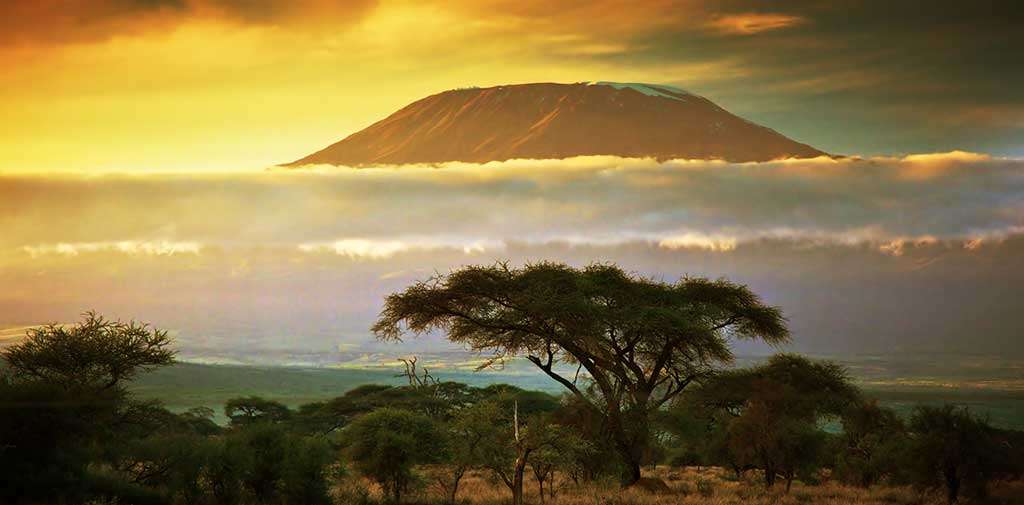
Kilimanjaro offers a remarkable journey through five distinct ecological zones: starting in lush rainforest, through moorland, alpine desert, and finally an arctic summit. This transition is incredibly unique, witnessing diverse flora and fauna changes daily. The views from the top, often above the clouds, are spectacular, looking out over the African plains. However, the Everest Base Camp trek offers something truly unmatched: sustained, awe-inspiring views of some of the world's most iconic 8,000-meter peaks, including Everest (8,848m), Lhotse (8,516m), Nuptse (7,861m), and Ama Dablam (6,812m). The sheer scale of the Himalayas is overwhelming, with glaciers, vast valleys, and dramatic rocky peaks dominating the skyline. Iconic viewpoints like Kala Patthar offer panoramic Everest vistas that are etched into memory. "Kili was cool, seeing the zones change was wild, but nothing, absolutely nothing, compares to standing there with Everest looming over you at Kala Patthar. That's the stuff of legends."
Winner takeaway
- Winner: Everest Base Camp
- Why: Everest Base Camp offers sustained, panoramic views of multiple iconic 8,000-meter Himalayan peaks, unmatched in grandeur.
- Who this matters for: Photography enthusiasts and those seeking the ultimate 'grand mountain' landscape experience.
✈️ Getting There & Logistics
Getting to Kilimanjaro is relatively straightforward. Most international flights arrive at Kilimanjaro International Airport (JRO), which is well-served and about an hour's drive from Moshi or Arusha, the main base towns for treks. Your tour operator will almost always arrange airport transfers and pre-trek accommodation, making the initial logistics seamless. For Everest Base Camp, the journey is more complex and adds a layer of adventure (or frustration). You first fly internationally to Tribhuvan International Airport (KTM) in Kathmandu, Nepal. From there, the crucial next step is a domestic flight to Tenzing-Hillary Airport (LUA) in Lukla. This 30-minute flight is famous for its short runway, challenging conditions, and frequent delays or cancellations due to weather. Bad weather can strand you for days, affecting your trek schedule. In peak season (Oct-Nov, Mar-May), these flights are often diverted to Ramechhap (RHP), requiring a 4-5 hour bus ride from Kathmandu. "I spent two days stuck in Kathmandu waiting for the Lukla flight. Kili, I landed, got picked up, and was at my hotel within an hour. No stress."
Winner takeaway
- Winner: Kilimanjaro
- Why: Kilimanjaro offers a simpler and more reliable travel process directly to the trek's starting point.
- Who this matters for: Travelers who prefer minimal logistical hurdles and reliable connections to their adventure's doorstep.
⛺ Accommodation & Comfort
On Kilimanjaro, accommodation is exclusively tent camping. Your tour operator provides all necessary gear, including sleeping tents, mess tents, and toilet tents. While the porters set up and break down camp daily, and you're served hot meals in the mess tent, it's still roughing it in a tent for 5-9 nights. There are no permanent structures, shops, or facilities on the mountain itself once you're past the lower gates. For Everest Base Camp, the entire trek is supported by 'tea houses' – basic lodges found in every village along the trail. These offer private (though small) rooms with beds, blankets (though a sleeping bag is still essential), and common dining areas heated by yak dung stoves. While bathrooms are often shared and can be rudimentary, and hot showers become rare (and expensive, 500-800 NPR / $4-$6 USD) higher up, the ability to sleep indoors, eat meals in a communal space, and occasionally charge devices (for a fee) provides a level of comfort far beyond Kili. "Sleeping in a tea house, even a basic one, felt like luxury after imagining a tent for weeks. Kili, it's just tents, no escape from the cold nights."
Winner takeaway
- Winner: Everest Base Camp
- Why: Everest Base Camp's tea houses provide indoor lodging, warmer communal spaces, and a greater sense of comfort compared to constant tent camping.
- Who this matters for: Trekkers who prefer a roof over their head, a bed, and some basic amenities after a long day of hiking.
🤝 Culture & Local Interaction
Kilimanjaro offers cultural interaction primarily through your trekking crew – the guides, porters, and cooks, who are often local Chagga or Maasai people. They provide insights into their lives and traditions, and there might be opportunities to visit local villages around Moshi or Arusha before or after your trek. However, once on the mountain, the focus is entirely on the climb, and there's no continuous interaction with local communities. The Everest Base Camp trek, by contrast, is a deep dive into Sherpa culture. You trek through numerous villages like Phakding, Namche Bazaar, Tengboche, and Dingboche, staying in tea houses run by local families. You'll encounter monasteries (Tengboche Monastery is a highlight), chortens, Mani walls, and prayer flags at every turn, deeply experiencing Tibetan Buddhism and Sherpa traditions. There's constant interaction with locals, fellow trekkers, and the daily rhythm of village life. "EBC wasn't just about Everest, it was about the Sherpa people. Their hospitality, their resilience, their culture. Kili, it was more about the mountain itself, which is fine, but culturally, EBC wins hands down."
Winner takeaway
- Winner: Everest Base Camp
- Why: Everest Base Camp provides a continuous and immersive cultural experience through numerous Sherpa villages and Buddhist sites.
- Who this matters for: Culturally curious travelers who want to engage with local communities and traditions during their trek.
🏥 Safety & Health
Both treks carry inherent risks, primarily related to high altitude sickness (AMS). However, Kilimanjaro operates under stricter regulations. It's mandatory to trek with licensed guides and porters, and reputable operators conduct daily health checks, including pulse oximeter readings, to monitor for AMS. The park rangers also enforce rules regarding pace and descent. Evacuation procedures are in place, though rudimentary. For Everest Base Camp, while many trekkers hire guides and porters, it's possible to trek independently, which places more responsibility on the individual for their safety. Medical facilities along the EBC route are basic, with better clinics in Namche Bazaar and Pheriche, but serious cases require helicopter evacuation, which is expensive and weather-dependent. The flight to Lukla itself is a significant safety concern, known for being one of the most dangerous airports in the world due to its short runway and challenging weather. "Kili felt safer because I knew my guides were constantly watching me, and the park has strict rules. EBC, there's more personal responsibility, and that Lukla flight always gnawed at me."
Winner takeaway
- Winner: Kilimanjaro
- Why: Kilimanjaro's highly regulated environment with mandatory, monitored guides and established park procedures offers a perceived higher level of safety.
- Who this matters for: Trekkers who prioritize a structured, supervised environment and want clear medical protocols in place.
☀️ Best Time to Visit (Weather/Seasons)
Both destinations have distinct trekking seasons. For Kilimanjaro, the best times are the long dry season from June to October and the short dry season from January to March. These periods offer clearer skies and less rain, though conditions at the summit (Barafu Camp onwards) are always extremely cold, well below freezing, and windy. March and June can be transition months with some rain, but fewer crowds. For Everest Base Camp, the prime seasons are pre-monsoon (March to May) and post-monsoon (October to November). Pre-monsoon brings warmer temperatures and rhododendron blooms, but can have hazier views. Post-monsoon (Oct-Nov) is famous for its stable weather, clear skies, and crisp mountain views, making it incredibly popular but also crowded. December to February is very cold, with potential for heavy snow. Both locations demand careful packing for extreme temperature variations, regardless of the season. "I did Kili in February and EBC in October. Both had amazing weather for most of the trek, but that summit night on Kili was just brutal with the wind. EBC in October felt perfect every single day."
Winner takeaway
- Winner: Tie
- Why: Both destinations offer distinct 'best' seasons with their own advantages and disadvantages, making neither a clear winner in terms of ideal weather.
- Who this matters for: Travelers who are flexible with their dates and can plan around optimal weather windows, as both have excellent options.
🍽️ Food & Drink
On Kilimanjaro, all your meals are prepared by the trekking crew's cook. While designed to be nutritious and caloric, the food tends to be simple, often Western-focused (porridge, toast, soup, chicken/fish, rice, pasta), and can become repetitive over several days. You're reliant on what the cook prepares, with very limited options for choice once on the mountain. Drinks are typically boiled water and instant tea/coffee. Everest Base Camp offers a surprisingly varied menu for such a remote region, thanks to the tea house system. Every tea house has a menu featuring local staples like 'Dal Bhat' (lentil soup with rice and vegetables – often 'all you can eat' for around 600-900 NPR / $5-$7 USD), Tibetan bread, momos, and noodle soups. You'll also find Western comfort foods like pasta, pizza, and even apple pie (though the quality varies). Hot drinks (tea, coffee, hot chocolate) are readily available, though increasingly expensive at higher altitudes (e.g., a cup of tea can be 300-400 NPR / $2.5-$3.5 USD at Gorak Shep). "After a week of Kili camp food, EBC's Dal Bhat and even a simple pizza felt like a Michelin star meal. More choices, more flavour."
Winner takeaway
- Winner: Everest Base Camp
- Why: Everest Base Camp's tea house system offers a wider variety of food options, including local delicacies and Western comfort foods.
- Who this matters for: Foodies or those who appreciate having choices and a bit more culinary variety during a long trek.
✨ Overall Experience
The overall experience of Kilimanjaro is a singular, focused challenge: reaching the summit of Africa's highest peak. It's often seen as a personal pilgrimage, a test of endurance and willpower against the elements and altitude. The sense of accomplishment at Uhuru Peak is immense, but the trek itself, while varied ecologically, is less about continuous cultural immersion and more about the upward journey. The camaraderie with your guides and porters is a highlight. Everest Base Camp offers a grander, more extended narrative. It's a journey through the heart of the Himalayas, surrounded by towering giants, rich Sherpa culture, and the constant buzz of mountaineering history. The trek is longer, allowing for deeper acclimatization and more interaction with the local environment and people. While EBC isn't a summit, standing at the base of the world's highest mountain, looking up at Everest and Lhotse, and seeing expeditions prepare, is an equally profound and majestic experience. The blend of natural grandeur, cultural richness, and the steady progression through villages gives EBC a slight edge for a more comprehensive and diverse overall adventure. "Kili was an amazing accomplishment, but EBC felt like a true adventure into a different world, every day was a new marvel, not just a step closer to a peak."
Winner takeaway
- Winner: Everest Base Camp
- Why: Everest Base Camp offers a more diverse and grander overall adventure, blending iconic scenery, cultural immersion, and sustained trekking over a longer period.
- Who this matters for: Adventure seekers looking for a multifaceted experience that combines natural beauty, cultural depth, and a prolonged journey.
❓ Frequently Asked Questions
Do I need prior trekking experience for Kilimanjaro or Everest Base Camp?
While not strictly required for either, a good level of physical fitness and some experience with multi-day hikes is highly recommended. You should be comfortable walking for several hours a day over varied terrain. Mental resilience is just as important as physical strength for both high-altitude treks.
What kind of training should I do for these treks?
Focus on cardiovascular endurance (running, cycling, swimming) and strength training, especially for your legs and core. Long-distance hiking with a weighted backpack, ideally on varied terrain with inclines, is the best preparation. Aim for 3-5 months of consistent training before your trip.
How do I deal with altitude sickness (AMS)?
The best defense is slow ascent and proper acclimatization, often by choosing longer routes (like Lemosho for Kili, or adding extra days for EBC). Stay hydrated, eat well, and avoid alcohol. Diamox is a prescription medication that can help prevent and treat AMS symptoms; consult your doctor before your trip.
What's the typical group size for these treks?
Kilimanjaro treks often have groups ranging from 8-15 trekkers, plus a large support crew. Everest Base Camp groups can vary, from small private groups (2-4 people) to larger organized tours (10-20+ trekkers). It's possible to trek EBC solo with just a guide/porter.
Is solo travel feasible for these treks?
Solo travel to Kilimanjaro isn't possible, as you must trek with a registered guide and porters. However, you can join a group as a solo traveler. For EBC, solo trekking (without a guide) is technically allowed but not recommended due to safety and logistical concerns. Many solo travelers hire a guide/porter or join an organized group.
What gear do I need, and can I rent it?
You'll need quality trekking boots, warm layers (down jacket is essential), waterproof outer shell, a good sleeping bag (rated to -15°C or colder), headlamp, and daypack. Most of this gear can be rented in Moshi/Arusha for Kili, or Kathmandu for EBC, which can save on baggage weight and cost.
What's the environmental impact, and how can I be responsible?
Both locations are fragile ecosystems. Choose reputable operators who follow 'Leave No Trace' principles, manage waste properly, and treat porters fairly. Minimize plastic use, carry out your litter, and stick to marked trails. Support local businesses directly when possible.
Are permits required, and how do I get them?
For Kilimanjaro, all permits and fees are handled by your registered tour operator and included in your package cost. For Everest Base Camp, you'll need a Khumbu Pasang Lhamu Rural Municipality Entrance Permit (around 2,000 NPR / $15 USD) and a Sagarmatha National Park Entry Permit (around 3,000 NPR / $25 USD for foreigners), which can be purchased on the trail or through your guide.
Ready to plan your next high-altitude adventure?
Get a free custom itinerary for Kilimanjaro, Everest Base Camp, or both — built from real traveler insights.
🎟️ Book Tours & Experiences
Hand-picked tours and activities for both destinations — book with free cancellation
Experiences via Viator — free cancellation on most tours