How we built this comparison
This page combines traveler discussion patterns, published price ranges, flight schedules, and seasonal data to help you decide between Napa Valley and Tuscany.
- Reviewed 70+ Reddit threads from r/travel, r/solotravel, r/ItalyTravel, r/Napa, and r/California for authentic traveler experiences and advice.
- Verified costs and logistics against current booking platforms (e.g., Booking.com, Kayak, winery websites, Michelin Guide) for accuracy.
- Cross-referenced seasonal patterns and weather data from NOAA and local Italian tourism boards to provide optimal travel times.
⚡ The TL;DR Verdict
Choose Napa Valley if you want getting there & around, luxury & exclusivity. Choose Tuscany if you want food & wine experience, costs & value, culture & history. Split your trip if you want both experiences without forcing one destination to do the other's job.
- Choose Napa Valley: getting there & around, luxury & exclusivity.
- Choose Tuscany: food & wine experience, costs & value, culture & history.
- Choose Both: If you're a serious wine enthusiast with time and budget, experience both! Start with a 3-4 day high-luxury Napa trip, then follow up with a 7-10 day deep dive into Tuscany's varied regions for a truly global perspective on winemaking and travel.
- Split your trip: Split your trip if you want Napa Valley for its strongest wins but still want Tuscany for the categories where it clearly does better.
Best-for snapshot
Fast answers first: who each destination tends to serve best, pulled from the page’s own comparison table and verdict.
Best for food
TuscanyDiverse wines (Chianti, Brunello), authentic farm-to-table cuisine, rustic trattorias, hands-on cooking classes.
Best for nightlife
TieNot a clean call from the comparison table, so treat this as situational.
Best for budget
TuscanyGenerally more affordable, especially outside major cities. Excellent value for experiences, food, and accommodation.
Best for first-timers
TieA softer call based on overall ease and beginner-friendliness.
Best for couples
TuscanyCenturies of Etruscan, Roman, and Renaissance history. Medieval towns, art, architecture, deep traditions.
Best for solo travelers
TuscanyDiverse wines (Chianti, Brunello), authentic farm-to-table cuisine, rustic trattorias, hands-on cooking classes.
Best for families
TuscanyCountless historic towns, art cities, coastal areas, and other wine regions within easy reach.
Quick scorecards
Lightweight scoring for scanability - a decision aid, not fake precision.
Napa Valley
Tuscany
Quick Comparison
| Category | Napa Valley | Tuscany | Winner |
|---|---|---|---|
| Food & Wine Experience | Ultra-premium wines, Michelin-starred dining, modern tasting rooms, structured experiences. | Diverse wines (Chianti, Brunello), authentic farm-to-table cuisine, rustic trattorias, hands-on cooking classes. | Tuscany |
| Costs & Value | Significantly higher costs across the board: lodging, tastings, dining. Luxury-focused. | Generally more affordable, especially outside major cities. Excellent value for experiences, food, and accommodation. | Tuscany |
| Culture & History | Modern American wine culture, focus on innovation and luxury branding. Limited historical depth. | Centuries of Etruscan, Roman, and Renaissance history. Medieval towns, art, architecture, deep traditions. | Tuscany |
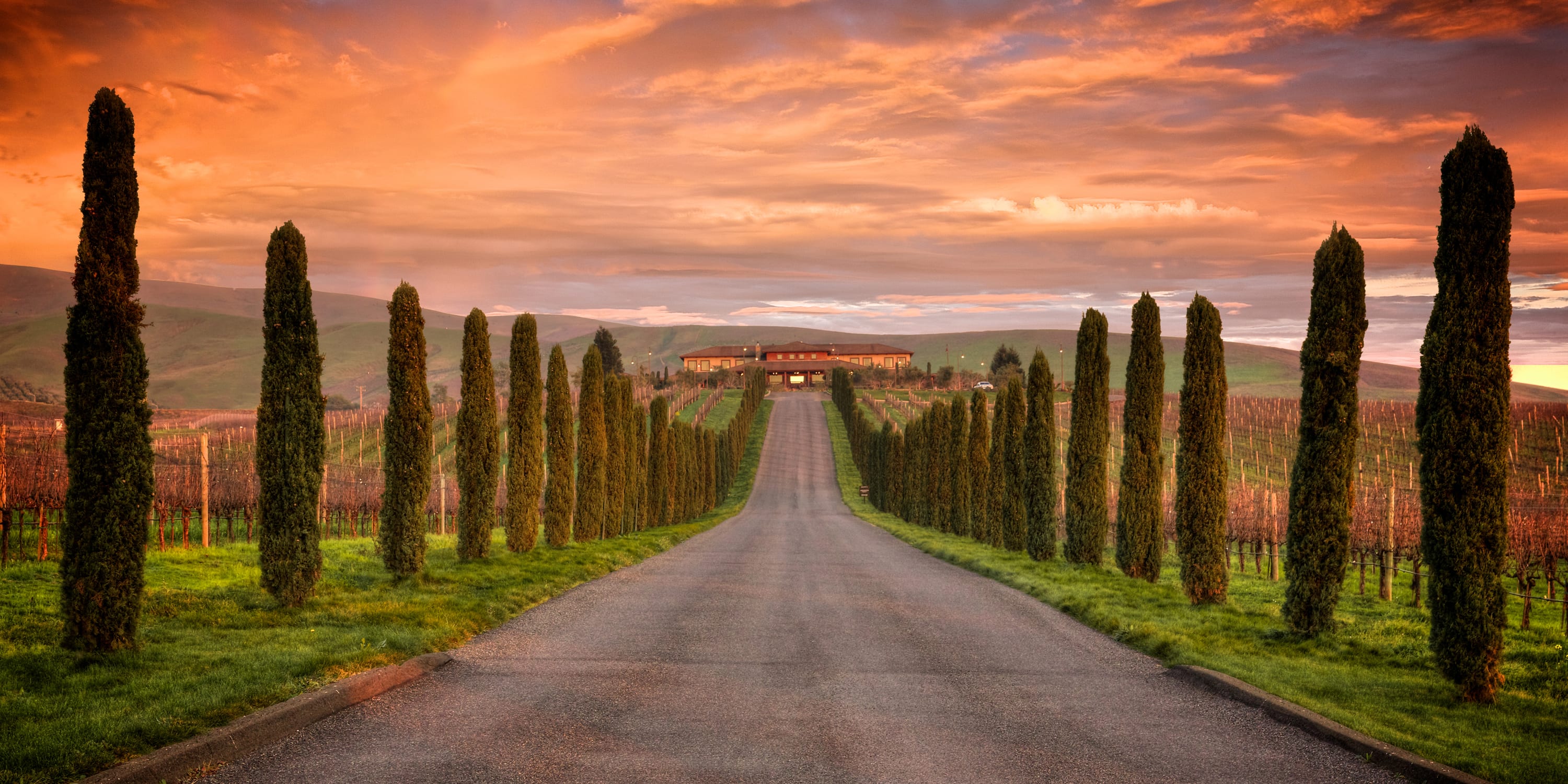
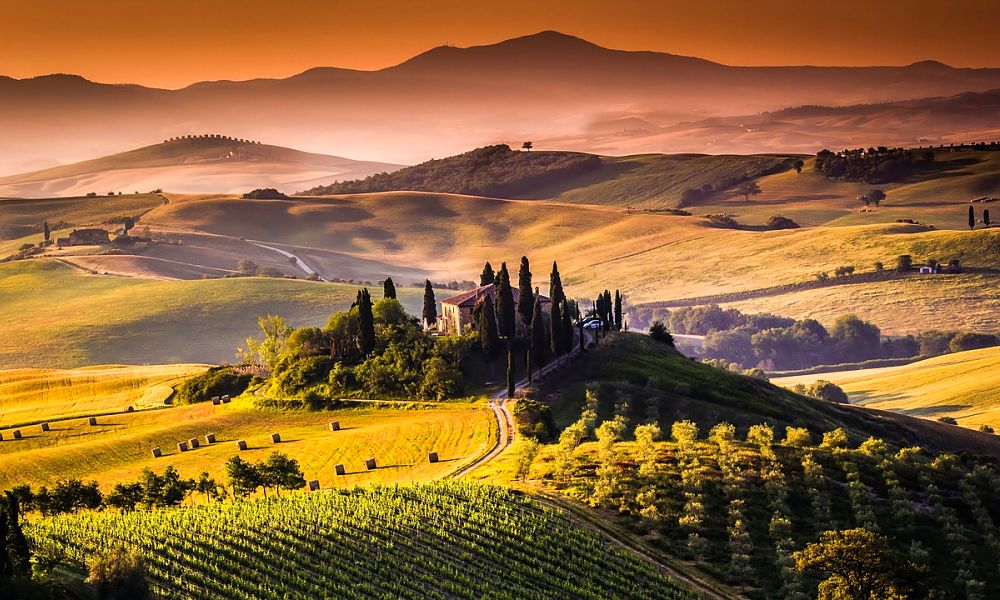
| Scenery & Vibe | Rolling vineyards, manicured estates, polished and serene, often upscale and exclusive. | Diverse landscapes from rolling hills to cypress-lined avenues, medieval hilltop towns, rustic charm, vibrant local life. | Tuscany |
| Getting There & Around | Easy access from major US airports (SFO, OAK). Car rental is essential, well-maintained roads. | Requires international flight (Florence/Pisa). Car rental recommended for exploration, complex driving in small towns. | Napa Valley |
| Accommodation | Luxury hotels, boutique inns, high price points. Polished, modern amenities. | Diverse options: charming agriturismos, historic villas, boutique hotels, city apartments. Broader price range. | Tuscany |
| Day Trips & Exploration | Primarily focused within Napa Valley, with Sonoma as a close alternative. Limited other options. | Countless historic towns, art cities, coastal areas, and other wine regions within easy reach. | Tuscany |
| Luxury & Exclusivity | Top-tier luxury experiences, exclusive tastings, world-renowned fine dining, high-end spas. | Luxury available, but often in a more understated, historic, or experiential way. Broader appeal. | Napa Valley |
| Family Friendliness | Limited options for younger children beyond scenic drives. More adult-oriented. | Agriturismos with pools, historical sites, gelato, diverse activities that appeal to various ages. | Tuscany |
| Shopping & Souvenirs | Winery gift shops, gourmet food items, high-end boutiques, art galleries. | Artisanal crafts, leather goods, ceramics, local food products (olive oil, cheese), fashion, wine. | Tuscany |
🍷 Food & Wine Experience
Napa Valley excels in a highly refined, often exclusive, wine-tasting experience. Wineries like Opus One or Silver Oak offer structured, sit-down tastings ranging from $75-$200+ per person, often by appointment. Dining is a major draw with institutions like The French Laundry in Yountville or SingleThread in Healdsburg (nearby Sonoma) commanding hundreds of dollars per plate. It’s about perfection and presentation. Tuscany, however, offers a broader, more authentic and integrated food and wine culture. You can do a casual tasting at a family-run 'azienda agricola' for €20-€50 ($22-$55) or splurge at a historic estate like Castello di Brolio. The food is soul-stirring – think homemade pasta, wild boar ragu, and pecorino cheese in a rustic 'trattoria' in Siena for €30-€60 ($33-$66) a meal. It's less about molecular gastronomy and more about fresh, local ingredients and generations of tradition. "Tuscany just has that whole 'dolce vita' vibe; every meal felt like a celebration, not just dinner. Plus, the olive oil!" The sheer variety and deep-rooted culinary heritage give Tuscany the edge.
Winner takeaway
- Winner: Tuscany
- Why: Tuscany offers a more diverse, authentic, and integrated food and wine culture with incredible value, extending beyond just tasting rooms.
- Who this matters for: Foodies, wine enthusiasts seeking variety and authenticity, and those interested in culinary tradition.
💸 Costs & Value
Napa Valley is undeniably expensive. Expect to pay $350-$800+ per night for a decent hotel like the Andaz Napa or Hotel Yountville. Wine tastings can easily run $50-$100+ per person per winery, and fine dining meals are often $150-$300+ per person without drinks. A typical day can easily hit $500-$1000+ per couple. This is a high-end destination that caters to luxury. Tuscany, while it can certainly be luxurious, offers a far better range of value. Charming agriturismos (farm stays) can be found for €150-€300 ($165-$330) per night, even in prime locations. Wine tastings are typically €20-€50 ($22-$55), and you can enjoy incredible multi-course meals at a local trattoria for €30-€60 ($33-$66). "I stretched my budget way further in Tuscany, staying in incredible villas and eating like a king without breaking the bank like I would in Napa." Even car rentals, while necessary for both, tend to be more affordable in Italy on average. For the depth and breadth of experience you get for your money, Tuscany is the clear winner for value.
Winner takeaway
- Winner: Tuscany
- Why: Tuscany provides a much broader range of price points and significantly better value for high-quality experiences, food, and accommodation.
- Who this matters for: Budget-conscious travelers, those planning longer trips, and anyone seeking maximum bang for their buck.
🏛️ Culture & History
Napa Valley's culture is largely centered around modern winemaking, luxury tourism, and culinary innovation. While it has its own unique story of California viticulture, it lacks the deep historical roots that define European destinations. You'll find sleek, modern architecture, art installations within wineries, and a focus on contemporary design. Tuscany, on the other hand, is steeped in millennia of history. From the Etruscan tombs to Roman ruins, medieval walled cities like San Gimignano and Montepulciano, and the Renaissance masterpieces of Florence and Siena – every corner tells a story. You can wander through ancient churches, admire frescos, and visit museums housing works by Michelangelo and Leonardo da Vinci. "Walking through Siena felt like stepping back in time, something you just can't get in the US." The culture is palpable, expressed in local festivals, artisanal crafts, and the daily rhythm of life in towns that have existed for centuries. It's an immersive historical and cultural journey that Napa simply cannot offer.
Winner takeaway
- Winner: Tuscany
- Why: Tuscany boasts an unparalleled wealth of ancient, medieval, and Renaissance history, art, and deeply ingrained cultural traditions.
- Who this matters for: History buffs, art lovers, those seeking profound cultural immersion, and travelers who enjoy exploring ancient cities.
🏞️ Scenery & Vibe
Napa Valley offers stunning, manicured vineyard landscapes, particularly beautiful in late summer/fall with golden hills and vibrant green vines. The vibe is generally serene, upscale, and a bit exclusive; it feels curated and polished. You'll see sleek architecture, luxury cars, and a sophisticated crowd. It's beautiful, but can feel a bit uniform after a few days. Tuscany, however, presents a dramatic and diverse panorama. You have the iconic rolling hills of the Chianti region dotted with olive groves and cypress trees, the dramatic fortified towns like San Gimignano perched atop hills, and the stark beauty of the Crete Senesi. The vibe is a mix of rustic charm, timeless beauty, and lively local culture. You can find quiet solitude in the countryside or bustling energy in a piazza in Florence or Siena. "The sunsets over the Tuscan hills with a glass of local wine were just magical, way more atmospheric than anything I saw in Napa." The blend of natural beauty with ancient architecture and vibrant community life creates a more captivating and varied sensory experience.
Winner takeaway
- Winner: Tuscany
- Why: Tuscany offers a more diverse, iconic, and historically rich landscape, coupled with a charming and authentic rustic-meets-lively vibe.
- Who this matters for: Photographers, romantics, travelers who appreciate varied landscapes, and those seeking a blend of natural beauty and historic charm.
🚗 Getting There & Around
Napa Valley is incredibly convenient for most North American travelers. Fly into San Francisco International (SFO) or Oakland (OAK), and it's about a 1.5-2 hour drive north. No jet lag, no currency exchange issues, no language barrier. Once there, a rental car is absolutely essential for exploring the various wineries and towns like Yountville, St. Helena, and Calistoga. Roads are excellent, and navigation is straightforward, though traffic on Hwy 29 can be heavy on weekends. "Getting to Napa from LA was a breeze, just hop in the car and you're there. No crazy international flights." Tuscany requires a longer commitment. You'll fly into Florence (FLR) or Pisa (PSA), usually with a connection, from the US. Total travel time can be 12-18 hours. While train travel is excellent between major cities like Florence and Siena, exploring the smaller hilltop towns and vineyards truly requires a rental car. Driving in Tuscany's small towns can be tricky with ZTLs (limited traffic zones) and narrow, winding roads. The overall journey to Tuscany is a significant undertaking compared to Napa's domestic ease.
Winner takeaway
- Winner: Napa Valley
- Why: Napa Valley offers unparalleled convenience and ease of access for US travelers, minimizing travel time, jet lag, and logistical complexities.
- Who this matters for: Travelers with limited time, those seeking a quick getaway, and anyone preferring domestic travel over international logistics.
🛌 Accommodation
Napa Valley's accommodation scene is dominated by high-end, luxury options. Hotels like Auberge du Soleil or The Meritage Resort and Spa can easily command $600-$1000+ per night. Even more modest options like the Napa River Inn are often in the $300-$500 range. You'll find sleek designs, spa services, and gourmet breakfasts, but generally fewer truly 'charming' or budget-friendly options. The focus is on polished luxury. Tuscany offers an incredible array of accommodation, from rustic-chic agriturismos set amidst vineyards (like Agriturismo Fattoria di Maiano near Fiesole for €150-€300/$165-$330) to historic villas with private pools, charming boutique hotels in medieval towns, and well-appointed apartments in Florence or Siena. "Staying in an agriturismo in Tuscany was a dream, waking up to vineyard views and fresh pastries every morning. Couldn't find anything similar in Napa at that price point." You can find truly unique, atmospheric stays for a fraction of Napa's cost, or splurge on a grand villa without hitting Napa's upper limits. The variety and authentic charm of Tuscan lodging make it a clear winner.
Winner takeaway
- Winner: Tuscany
- Why: Tuscany offers a far greater diversity of accommodation styles, from authentic farm stays to historic villas, providing more unique experiences and better value.
- Who this matters for: Travelers seeking unique stays, those with varying budgets, and anyone who values charm and authenticity over pure modern luxury.
🗺️ Day Trips & Exploration
From Napa Valley, day trip options are somewhat limited if you've already explored the main towns of Yountville, St. Helena, and Calistoga. The most obvious extension is Sonoma Valley, which offers a slightly different wine country vibe but is still very much in the same vein. Beyond that, you're looking at driving back towards San Francisco or Sacramento, which shifts the focus away from wine country. "After a few days in Napa, I felt like I'd seen all the main wineries. Sonoma was cool, but it's more of the same, just a bit less formal." Tuscany, conversely, is a wonderland for day trips. From a base in Florence or Siena, you can easily visit medieval gems like San Gimignano, Volterra, or Montalcino. Explore the stunning coastline of the Cinque Terre (a longer but doable day trip), delve into the art of Arezzo, or even venture to Umbria for a taste of another region. The diversity of experiences – from ancient ruins to Renaissance art, from rolling hills to coastal fishing villages – is astounding. Every day can bring a completely different adventure, making Tuscany far more dynamic for exploration.
Winner takeaway
- Winner: Tuscany
- Why: Tuscany offers an almost limitless array of diverse and historically significant day trips, far beyond just wine, enriching any stay.
- Who this matters for: Curious explorers, travelers who enjoy varied experiences, and those planning longer trips to fully immerse themselves in a region.
💎 Luxury & Exclusivity
Napa Valley is built on a foundation of luxury and exclusivity, making it the preferred destination for those seeking the absolute best in wine, dining, and pampering. Wineries like Screaming Eagle or Harlan Estate, while private, set the tone for a region where top-tier experiences are standard. Even publicly accessible estates often offer 'reserve' or 'private' tastings at $150-$500, giving a sense of special access. Fine dining is a cornerstone, with multiple Michelin-starred restaurants beyond The French Laundry, like Meadowood (currently rebuilding, but the ethos remains) and La Toque. High-end resorts offer world-class spas and amenities. "Napa feels like it's designed for VIPs. Every tasting felt elevated, every meal was an event." While Tuscany certainly has its share of luxury villas, 5-star hotels, and exclusive experiences, it’s often a more understated, historic luxury, integrated into the landscape rather than overtly modern. Napa delivers that polished, often celebrity-driven, 'best of the best' experience with unmatched consistency and a focus on opulence.
Winner takeaway
- Winner: Napa Valley
- Why: Napa Valley specializes in a consistently high-end, polished, and overtly luxurious experience, from wine to dining to accommodation.
- Who this matters for: Luxury travelers, high-net-worth individuals, those seeking ultimate pampering, and connoisseurs of modern fine dining.
👨👩👧👦 Family Friendliness
Napa Valley is primarily an adult-oriented destination. While some wineries might have lawns for kids to run around or offer grape juice tastings (like Castello di Amorosa), the focus is squarely on adult wine experiences. Beyond scenic drives and perhaps a visit to the Oxbow Public Market for snacks, there aren't many dedicated activities for children. "We took our kids to Napa once; they were bored stiff after two wineries. Definitely better for adult trips." Tuscany, on the other hand, is surprisingly family-friendly. Many agriturismos offer pools, farm animals, and open spaces for kids to play. The history itself can be engaging, with medieval castles and fortified towns sparking imagination. Gelato is a universal crowd-pleaser, and the food culture is generally more adaptable to children's palates. Exploring ancient streets, climbing towers in San Gimignano, or even a pizza-making class can be delightful for kids. Plus, the broader cultural context means there's always something else to do if the kids aren't into a specific activity, making it a more versatile destination for families.
Winner takeaway
- Winner: Tuscany
- Why: Tuscany offers a wider range of activities and accommodations (like agriturismos with pools) that cater to families with children, blending culture with fun.
- Who this matters for: Families traveling with children of all ages, those who want a more diverse vacation beyond just wine tasting.
🛍️ Shopping & Souvenirs
Napa Valley's shopping scene revolves around the wineries themselves – you'll find branded merchandise, gourmet food products (like artisan olive oils, jams, mustards), and high-end home goods. Towns like Yountville and St. Helena have small collections of luxury boutiques and art galleries, catering to an upscale clientele. It's sophisticated but somewhat limited in variety beyond wine-related items. "I bought some cool wine glasses and a fancy olive oil in Napa, but it wasn't really a shopping destination beyond that." Tuscany, however, offers a much richer and more diverse shopping experience. Florence is a mecca for leather goods (like at the San Lorenzo market or Scuola del Cuoio at Santa Croce), gold jewelry, and high fashion. Throughout the region, you'll find incredible artisanal ceramics, hand-painted pottery, local linens, and intricate woodworking. Local food products like Pecorino cheese, balsamic vinegar, and of course, a wider variety of olive oils and wines are perfect souvenirs. The markets and small shops in every medieval town brim with unique, authentic items that truly reflect the local culture, making Tuscany the clear winner for souvenir hunters and shoppers alike.
Winner takeaway
- Winner: Tuscany
- Why: Tuscany offers a far more diverse and authentic array of artisanal crafts, local products, and fashion, providing unique souvenirs and shopping experiences.
- Who this matters for: Shoppers, souvenir collectors, those seeking authentic local goods, and travelers who appreciate traditional crafts.
❓ Frequently Asked Questions
Is Napa Valley or Tuscany better for a first-time wine traveler?
For a truly accessible and streamlined first-time experience, Napa Valley wins. It's easier to navigate without language barriers, and tasting rooms are generally more structured. However, if you're keen on a broader cultural introduction with wine as part of a larger adventure, Tuscany offers a more encompassing and perhaps more magical 'first-time' European experience.
What's the best time of year to visit each region?
For Napa, late spring (April-May) or fall (September-October) offers pleasant weather and beautiful vineyards. Avoid summer for intense heat and crowds. Tuscany is also best in late spring (May-June) or early fall (September-October) for ideal weather, fewer crowds than peak summer, and stunning harvest views. Summer can be hot and very crowded, especially in cities like Florence.
Do I need a car in Napa Valley or Tuscany?
Yes, for both! While you can use ride-shares in Napa between major towns, a car offers freedom to explore smaller wineries and scenic routes. In Tuscany, a car is almost essential to truly experience the hilltop towns and countryside, as public transport doesn't cover all the charming, remote spots.
Which region has better high-end dining?
Napa Valley arguably has a higher concentration of consistently Michelin-starred, innovative, and high-end fine dining restaurants per square mile, with iconic names like The French Laundry. Tuscany has exceptional dining, but it often leans more towards traditional, rustic, and farm-to-table excellence, with fewer establishments reaching the same level of global culinary acclaim as Napa's top spots.
Is solo travel better in Napa or Tuscany?
Tuscany offers a more enriching solo travel experience due to its extensive public transportation between major cities, walkable towns, and diverse activities beyond wine (history, art, hiking). Napa, while safe, is very car-dependent and its primary activities (wine tastings, fine dining) often feel more geared towards couples or groups, though a solo trip can still be enjoyable if planned well.
Can I find affordable wine in either region?
Yes, but it's relative. In Napa, 'affordable' might mean a $30-$50 bottle, usually purchased directly from a smaller winery. In Tuscany, you can find excellent table wines and even quality Chianti for €10-€20 ($11-$22) in local shops or supermarkets, offering significantly better value for everyday drinking.
Which destination is more romantic for a honeymoon?
Tuscany, hands down. Its timeless charm, ancient villages, breathtaking sunsets, and opportunities for shared cultural experiences like cooking classes or leisurely drives through the countryside create an unparalleled romantic atmosphere that Napa, despite its luxury, can't quite match in depth or breadth.
What are the typical flight times from the East Coast US to each region?
From the East Coast US (e.g., NYC, Boston): To Napa Valley (via SFO/OAK), direct flights are typically 5.5-6.5 hours. To Tuscany (via Florence/Pisa, often with a connection in Europe), expect total travel time, including layovers, to be 10-14+ hours.
Ready to plan your unforgettable trip?
Get a free custom itinerary for Napa Valley, Tuscany, or both — built from real traveler insights.
🎟️ Book Tours & Experiences
Hand-picked tours and activities for both destinations — book with free cancellation
Experiences via Viator — free cancellation on most tours