
How we built this comparison
This page synthesizes traveler discussion patterns from Reddit, published price data, real transit costs, and seasonal weather information to make the Osaka vs Fukuoka decision clearer.
- Reviewed Reddit threads from r/JapanTravel, r/travel, and r/solotravel comparing these two cities.
- Checked numeric claims for accommodation, food, and transit costs against 2025–2026 real prices.
- Every section ends with a clear verdict — not "both are great!" but an actual recommendation based on traveler type.
⚡ Quick Answers
📊 Visual Scorecard
⚡ The TL;DR Verdict
Choose Osaka for energetic nightlife, among the best food variety, and a central base for exploring the Kansai region. Choose Fukuoka for a more laid-back vibe, Japan's best street food culture, and a gateway to the island of Kyushu.
- Choose Osaka: Foodies who want variety, nightlife lovers, and travelers who want a high-energy city experience.
- Choose Fukuoka: Travelers seeking a more relaxed city, ramen lovers, and those interested in exploring the unique culture of Kyushu.
Choose Osaka
Foodies who want variety, nightlife lovers, and travelers who want a high-energy city experience.
Choose Fukuoka
Travelers seeking a more relaxed city, ramen lovers, and those interested in exploring the unique culture of Kyushu.
Quick Comparison
| Category | 🐙 Osaka | 🍜 Fukuoka | Edge |
|---|---|---|---|
| Daily Budget (mid-range) | ¥11,000–17,000 ($75–115) | ¥10,000–15,000 ($65–100) | Fukuoka |
| Food Scene | "Japan's Kitchen" - Takoyaki, Okonomiyaki, Kushikatsu | Birthplace of Tonkotsu Ramen, famous Yatai food stalls | Tie |
| Nightlife | Huge, energetic districts like Dotonbori and Shinsaibashi | Intimate Yatai stalls, more localized bar scene | Osaka |
| Vibe & Atmosphere | Loud, loud, and famously outgoing | Laid-back, friendly, and less crowded | Fukuoka |
| Public Transit | Excellent subway system | Good subway and bus system, very walkable downtown | Osaka |
| Day Trips | Kyoto, Nara, Kobe, Himeji | Dazaifu, Nanzoin Temple, Itoshima Peninsula | Osaka |
| Shopping | Shinsaibashi-suji, Amerikamura, Den Den Town | Tenjin Underground Mall, Canal City Hakata | Osaka |
| Best For | Foodie adventures and high-energy nightlife | A relaxed city break with amazing street food | — |
🍜 Food & Dining
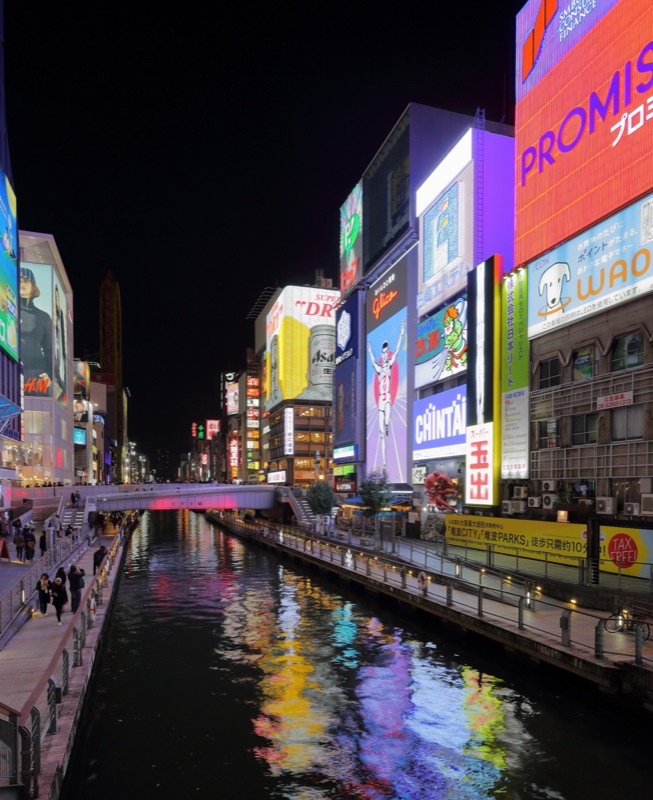
This is a clash of titans. Osaka, known as 'Tenka no Daidokoro' (the Nation's Kitchen), is a food paradise famous for its 'kuidaore' (eat till you drop) culture. The city is the birthplace of classics like takoyaki (octopus balls) and okonomiyaki (savory pancake). The Dotonbori area is a sensory overload of food stalls, restaurants, and neon lights.
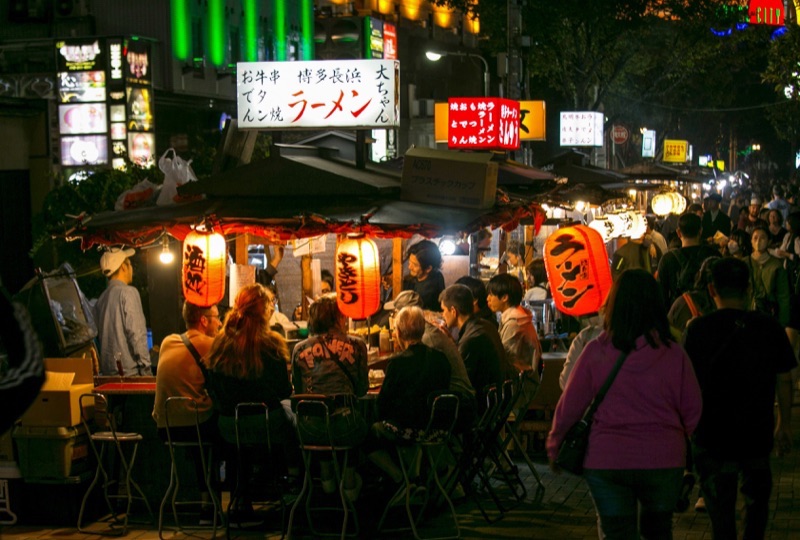
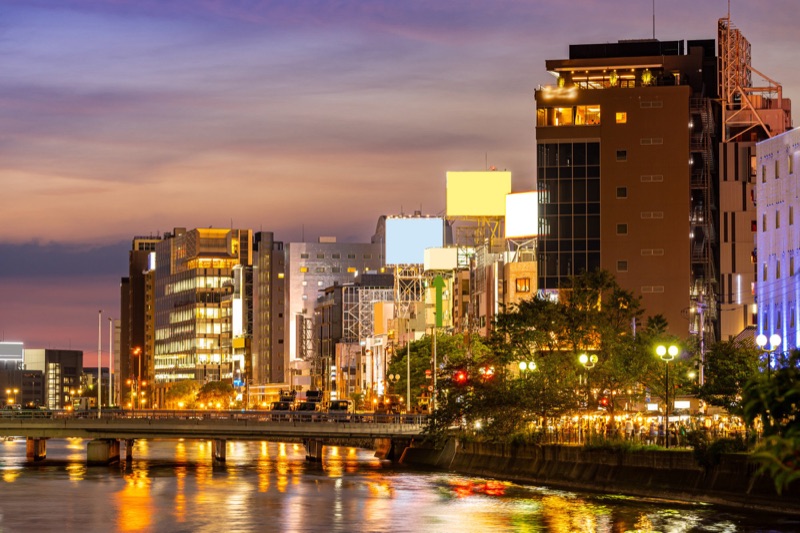
Fukuoka, on the other hand, is the undisputed king of ramen, specifically Tonkotsu (pork bone broth) style. But its real trump card is the yatai culture. These open-air food stalls line the streets of the Nakasu and Tenjin areas at night, creating a unique and intimate dining experience. Each yatai has its own specialty, from ramen and yakitori to gyoza and oden.
🎉 Nightlife & Entertainment
When it comes to nightlife, Osaka is in a league of its own. The areas of Dotonbori, Shinsaibashi, and Namba are a dazzling maze of neon, bars, clubs, and live music venues that stay open late. From tiny, back-alley tachinomi (standing bars) to huge multi-story nightclubs, Osaka's energy is infectious.
Fukuoka offers a more subdued but equally enjoyable nightlife. The main draw is hopping between the yatai stalls for food and drinks, a very social and friendly experience. There are also plenty of great bars and live music venues, particularly in the Daimyo and Tenjin areas.
💰 Cost Comparison
Both cities are considered more affordable than Tokyo. Fukuoka generally comes out slightly cheaper than Osaka, especially in terms of accommodation. Here’s a rough daily budget for a mid-range traveler:
| Expense | 🐙 Osaka | 🍜 Fukuoka |
|---|---|---|
| Hostel dorm | ¥2,500–4,000/night | ¥2,000–3,500/night |
| Mid-range hotel | ¥9,000–16,000/night | ¥8,000–14,000/night |
| Street food meal | ¥500–1,000 | ¥500–1,000 |
| Sit-down dinner | ¥1,500–3,000 | ¥1,200–2,500 |
| Day pass (transit) | ¥800 (subway) | ¥640 (subway) |
| Daily total (mid-range) | ¥11,000–17,000 ($75–115) | ¥10,000–15,000 ($65–100) |
😊 Vibe & Atmosphere
This is where the two cities really differ. Osaka is famous for its loud, boisterous, and friendly locals. It’s a city with a big personality, a strong sense of humor, and a down-to-earth feel. It's fast-paced, energetic, and unapologetically commercial.
Fukuoka, as many travelers note, has a more 'laid-back' vibe. It’s a major city, but it feels more manageable and less overwhelming than Osaka. It's known for being one of Japan's most livable cities, and that relaxed, friendly atmosphere is palpable.
🎯 The Decision Framework
Choose Osaka If…
- You want access to a vast array of dining options, from Michelin stars to street food.
- You plan frequent day trips to Kyoto, Nara, and Himeji Castle.
- You seek late-night bars and clubs that stay open until 3 AM or later.
- You want to explore distinct food districts like Dotonbori and Shinsekai.
- You prioritize a major transport hub for extensive train travel across Japan.
- You're visiting Universal Studios Japan.
- You enjoy exploring large, modern shopping complexes and underground malls.
- You want a city with a palpable, energetic after-dark scene.
Choose Fukuoka If…
- You want to experience Japan's legendary yatai street food stalls along the river.
- You prefer a more relaxed pace and less crowded city environment.
- You plan to tour the wider Kyushu island, including Nagasaki and Kumamoto.
- You seek affordable, authentic tonkotsu ramen for under $8 a bowl.
- You enjoy a city where major attractions are easily walkable or bikeable.
- You want a gateway city for direct ferry travel to South Korea.
- You're looking for a genuinely local experience away from major tourist throngs.
- You appreciate a city with abundant green spaces and waterfront areas.
Made your choice?
See documented tourist scams for Osaka or Fukuoka — exact scripts, red flags, and the moves that stop them.
Browse travel-safety books →❓ Frequently Asked Questions
Is Osaka or Fukuoka better for food?
Osaka is known as 'Japan's Kitchen' and is famous for takoyaki and okonomiyaki. Fukuoka is the birthplace of Tonkotsu ramen and is famous for its yatai (food stalls). Both are incredible food cities. Osaka has more variety, but Fukuoka has a more unique and intimate food stall culture.
Which city is more laid back, Osaka or Fukuoka?
Fukuoka is widely considered to be more laid back and less crowded than Osaka. Reddit users often describe Fukuoka as having a great 'vibe' that's alive but not overwhelming, making it a more relaxed city to explore.
Is it easy to travel between Osaka and Fukuoka?
Yes, the Sanyo Shinkansen (bullet train) connects Shin-Osaka and Hakata (Fukuoka) stations in about 2.5 hours. A reserved seat costs around ¥15,600 (~$105). It's a straightforward and scenic journey.
Which city is cheaper, Osaka or Fukuoka?
Fukuoka is generally slightly cheaper than Osaka, particularly for accommodation. Both cities offer a wide range of budget-friendly food options, so the main cost difference will likely be your hotel or hostel.
How many days do you need in Osaka vs Fukuoka?
For Osaka, 2-3 days is enough to see the main sights like Dotonbori and Osaka Castle, and to enjoy the food scene. For Fukuoka, 2 days is sufficient to explore the city and its yatai stalls, but you could easily spend more time exploring the surrounding Kyushu region.
Which city has better nightlife?
Osaka has a much larger and more energetic nightlife scene, centered around areas like Dotonbori, Shinsaibashi, and Namba. Fukuoka's nightlife is more localized, with the yatai stalls providing a unique evening experience, but Osaka offers more variety in terms of bars and clubs.
Can I use a Japan Rail Pass between Osaka and Fukuoka?
Yes, the Japan Rail Pass covers the Sanyo Shinkansen between Shin-Osaka and Hakata (Fukuoka) stations. However, the pass is not valid on the fastest 'Nozomi' and 'Mizuho' trains, so you'll need to take the 'Sakura' or 'Hikari' trains, which take slightly longer.
What's the best yatai in Fukuoka?
The yatai stalls along the Naka River and around Tenjin are the best concentration. Yatai Yamachan is famous for tonkotsu ramen (¥800–1,000), Tetsunaba for grilled chicken skewers (¥150 each), and Yatai Bar for fusion-style cocktails. Most yatai open from 6pm to 1am. Pro tip: walk the riverside to compare crowds and pick a stall where locals (not just tourists) are eating — that's the quality signal.
What's the best food experience in Osaka?
Dotonbori at night for street food (takoyaki ¥600/8 pieces, okonomiyaki ¥1,200), Kuromon Market in the morning for fresh seafood, Shinsekai for kushikatsu (¥150–300 per skewer), and Umeda for upscale sushi and kaiseki. The "kuidaore" experience — eating until you collapse — is a real local sport. Most travelers eat 4–5 small meals a day rather than 3 big ones.
How easy is it to navigate as an English speaker?
Both cities have decent English in tourist zones. Osaka has more bilingual signage and English-speaking staff overall (it's a more touristed city). Fukuoka is more local-feeling — expect to use Google Translate at smaller restaurants and yatai. Train stations and major attractions in both have English instructions. JR ticket machines have English mode. Getting around with zero Japanese is fine in both, but a few phrases ("sumimasen", "arigatou gozaimasu", "kore o kudasai") go a long way.
Which is closer to Kyoto?
Osaka, by a huge margin. Osaka to Kyoto is 15 minutes by Shinkansen or 30 minutes by JR Special Rapid (¥570). From Fukuoka, it's a 2h 40min Shinkansen ride (¥15,400). If your trip plans include Kyoto, base in Osaka. If you're dedicated to Kyushu Island and Fukuoka, treat Kyoto as a separate trip or a long day trip.
Where should I stay in each city?
Osaka: Namba/Dotonbori for nightlife and food, Umeda for shopping and easy transit, Tennoji for budget options near Shinsekai. Fukuoka: Hakata Station area for transit convenience and yatai access, Tenjin for shopping and nightlife, Nakasu for the best yatai concentration. Most travelers split nights between Hakata (transit) and Nakasu (atmosphere) for a 3-day Fukuoka stay.
What day trips are best from each?
From Osaka: Kyoto (15–30 min by train), Nara (45 min by JR), Kobe (30 min for Kobe beef), Himeji Castle (1h), Mount Koya (2h for temple stays). From Fukuoka: Dazaifu Tenmangu (30 min, university shrine), Yufuin onsen town (2h, hot springs and art), Beppu (2h, Japan's hot springs capital), Karatsu (1h, pottery and ceramics), Nagasaki (2h, Peace Park and unique cuisine).
Are there typhoons or weather concerns?
Both cities are on the typhoon path, with peak risk August through early October. Fukuoka (closer to mainland China and Korea) gets hit slightly less than Osaka. Always check 7-day forecasts before traveling in this period and have flexible plans. Spring (March–May) and fall (October–November) are the safest for weather. Avoid Golden Week (late April to early May) for crowds, not weather.
Can I see Mount Aso or Mount Fuji from each?
Mount Fuji is not visible from either Osaka or Fukuoka — it's near Tokyo. Mount Aso, Japan's largest active volcano, is a 3-hour drive from Fukuoka into central Kyushu and a popular day trip from Fukuoka. Osaka has no major volcano nearby; the closest equivalent is Mount Yoshino for cherry blossoms (1.5h south by train) or Lake Biwa for water and forest scenery (40 min by train).
What's the best 7-day Osaka + Fukuoka itinerary?
Days 1–4 Osaka: Day 1 Dotonbori + Namba arrival. Day 2 Osaka Castle + Sumiyoshi Taisha. Day 3 Kyoto day trip (Fushimi Inari + Kinkaku-ji + Higashiyama). Day 4 Nara day trip (deer park + Todai-ji). Day 5: Shinkansen to Fukuoka (2h 40min). Days 5–7 Fukuoka: Day 5 Hakata Old Town + first yatai night. Day 6 Dazaifu day trip + Tenjin shopping + yatai dinner. Day 7 Ohori Park + Fukuoka Tower + flight out from Fukuoka Airport.
Ready to plan your Japan trip?
Know the tourist scams before you go — documented from real traveler reports, not generic templates.